
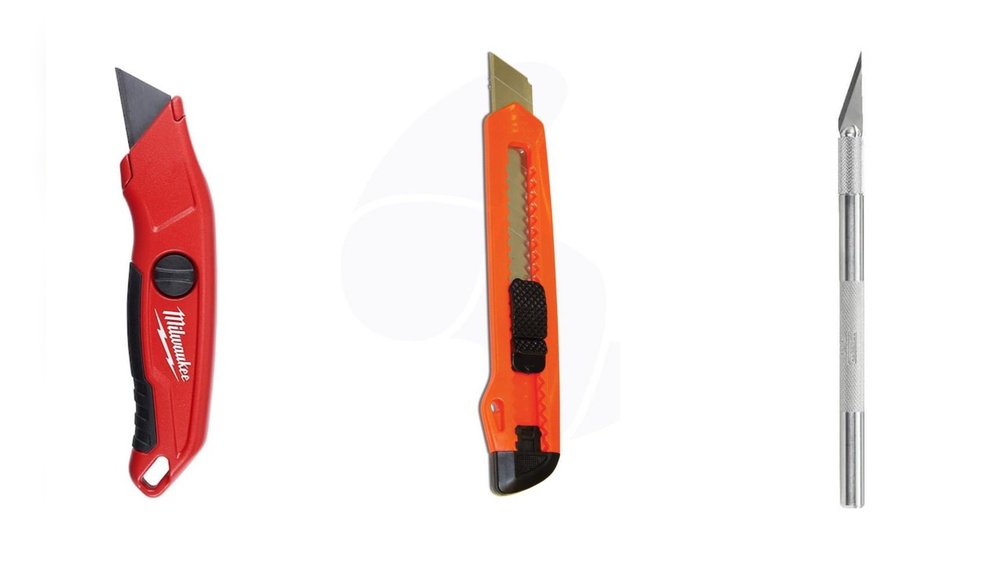
Precision cutting tools play a crucial role in a wide range of disciplines, from medical surgery to intricate model making and professional design work. Two tools, the scalpel and the Exacto knife, have become iconic for their sharpness, accuracy, and versatility. Choosing between them can be challenging, as each has distinct advantages and specific use cases that matter to professionals and hobbyists alike.
This article provides a comprehensive comparison of scalpels and Exacto knives, exploring their construction, performance, safety, and suitability across various applications. By examining real-world examples, expert insights, and data-driven analysis, you’ll gain a clear understanding of which tool best fits your needs, whether you’re dissecting tissue, crafting miniatures, or prototyping designs.
Let’s cut to the facts.
Key Takeaways
- Scalpels are engineered for medical and scientific precision but have expanding use in crafts, art, and design.
- Exacto knives are highly versatile, excelling in hobbies, art, and prototyping with a wide range of blade styles and ergonomic handles.
- The choice depends on factors like blade sharpness, handle ergonomics, safety features, and intended application.
- Professional settings prioritize sterilization and blade quality, while hobbyists value reusability and cost-efficiency.
- Proper maintenance, safety protocols, and tool-specific techniques are essential for optimal results and injury prevention.

Credit: shipmodeler.wordpress.com
Scalpel: Features, Construction, And Use Cases
Anatomy Of A Scalpel
A scalpel is a small, extremely sharp knife typically used in surgery, anatomical dissection, and laboratory settings. Its core components include:
- Blade: Surgical-grade stainless steel or carbon steel, available in various shapes and sizes (e.g., No. 10, No. 11, No. 15).
- Handle: Usually metal, designed for balance and precision. Some are reusable, while others are disposable.
- Mounting Mechanism: Blades are often detachable, allowing quick replacement and ensuring sterility.
The sharpness and thinness of scalpel blades make them ideal for making clean, controlled incisions with minimal tissue damage.
Core Applications
Scalpels are indispensable in:
- Medicine and Surgery: Used for incisions, excisions, and delicate tissue manipulation.
- Biological Research: Dissecting specimens, preparing slides, and microtomy.
- Fine Art Restoration: Removing varnish or retouching with high precision.
- Model Making and Crafts: When ultra-fine, straight cuts are required.
Blade Types And Variations
Common blade numbers signify different shapes:
- No. 10: Curved cutting edge, general surgery.
- No. 11: Elongated triangular blade, ideal for stab incisions.
- No. 15: Small curved blade for short, precise cuts.
Many manufacturers, such as Swann-Morton, offer more than 30 blade shapes for specialized tasks.
Ergonomics And Handling
Scalpel handles are typically slim, offering maximum control and tactile feedback. However, prolonged use can lead to hand fatigue, especially if the grip is not padded or contoured.
Pro Tip: For artists or modelers working for extended periods, consider a handle with a rubberized grip to reduce strain.
Exacto Knife: Features, Construction, And Use Cases
Anatomy Of An Exacto Knife
An Exacto knife, often referred to as a precision hobby knife, consists of:
- Blade: Replaceable, ultra-sharp, typically made of high-carbon steel. Comes in dozens of shapes (No. 11 being the most popular).
- Handle: Usually aluminum or plastic, frequently with knurled grips or ergonomic contours.
- Blade Clamp: A screw or twist-lock mechanism secures the blade.
Exacto knives are designed for versatility, ease of use, and repeated blade changes.
Core Applications
Exacto knives are favored in:
- Arts and Crafts: Paper cutting, stenciling, and vinyl work.
- Model Making: Trimming plastic, wood, or foam with accuracy.
- Prototyping and Design: Cutting templates and mockups.
- Electronics: Stripping wire insulation or scoring PCBs.
Their accessibility and adaptability make them a staple in classrooms, studios, and workshops.
Blade Types And Variations
Exacto blades are categorized by numbers, with the No. 11 being the archetypal straight-edged, pointed blade. Other popular types include:
- No. 2: Larger, for heavier materials.
- Chisel Blades: For carving and shaping.
- Scoring Blades: For folding or creasing materials.
The wide array of blades enables users to tackle diverse materials and techniques.
Ergonomics And Handling
Exacto knives feature thicker handles, often textured or cushioned, which enhance grip and reduce fatigue. Some models include anti-roll designs or safety caps for added security.
Pro Tip: For extended craft sessions, a soft-grip Exacto handle can significantly decrease hand tension and improve accuracy.

Credit: commons.wikimedia.org
Scalpel Vs Exacto Knife: Side-by-side Comparison
Understanding the nuanced differences between these tools is essential for making an informed choice. The table below provides a direct comparison of key attributes.
| Feature | Scalpel | Exacto Knife |
|---|---|---|
| Primary Use | Surgery, dissection, fine art restoration | Arts, crafts, model making, prototyping |
| Blade Sharpness | Exceptional (surgical-grade) | Very high (hobby-grade) |
| Blade Types | 30+ specialized shapes | 20+ shapes (chisel, scoring, curved, etc.) |
| Handle Design | Slim, metal, may lack padding | Thicker, knurled, often ergonomic |
| Blade Replacement | Quick, but risk of cuts; often single-use in medical settings | Twist-lock or screw; designed for repeated changes |
| Sterilization | Essential (medical/lab use) | Not required (craft use) |
| Cost Per Unit | Typically higher (medical-grade) | Generally lower; handles reused |
| Safety Features | Blade guards, single-use options | Blade caps, retractable blades on some models |
Key Distinctions
- Sharpness: Scalpels are generally sharper, designed to cut tissue cleanly.
- Ergonomics: Exacto knives favor comfort for longer use, while scalpels favor control.
- Safety: Blade handling differs, scalpels may pose higher risks during blade changes.
- Blade Variety: Both offer a range, but scalpels are tailored to medical tasks, while Exacto knives are optimized for materials like paper, plastic, and wood.
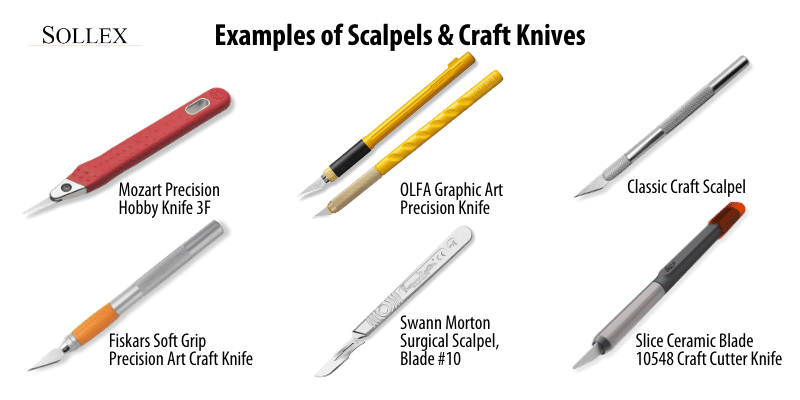
Credit: www.sollex.com
Performance In Different Materials
The effectiveness of a cutting tool depends heavily on the material being worked.
Paper, Cardstock, And Vinyl
- Exacto knives excel, offering smooth, controlled cuts with minimal drag.
- Scalpels provide a finer cut but can snag fibrous materials if not used with care.
Plastics And Foam
- Exacto knives with heavier blades (e.g., No. 2 or chisel) are preferred, as they withstand more force without flexing.
- Scalpels can slice thin plastic sheets but may break or dull quickly on denser plastics.
Fabric And Leather
- Scalpels deliver precise, clean cuts on soft fabrics and are sometimes used in textile conservation.
- Exacto knives can cut fabric but may cause fraying unless paired with a cutting mat and proper technique.
Biological Tissue And Specimens
- Scalpels are unmatched for living or preserved tissue, offering control and minimal trauma.
- Exacto knives are unsuitable and may introduce contaminants in scientific settings.
Wood And Cardboard
- Exacto knives with robust blades handle balsa wood and cardboard effectively.
- Scalpels are too delicate for thicker or harder materials.
| Material | Best Tool | Notes |
|---|---|---|
| Paper/Cardstock | Exacto Knife | Smoother, less snagging |
| Vinyl/Plastic Sheet | Exacto Knife | Heavier blades recommended |
| Fabric/Leather | Scalpel | Cleaner cuts, less fray |
| Biological Tissue | Scalpel | Essential for sterility |
| Wood/Cardboard | Exacto Knife | Requires durable blade |
Safety Considerations And Best Practices
Handling And Injury Risks
Both scalpels and Exacto knives are extremely sharp. Common injuries include:
- Lacerations: Deep cuts due to slips or improper technique.
- Puncture wounds: Especially with pointed blades (No. 11).
- Infection: From contaminated or reused blades (more critical for scalpels).
Safe Blade Changes
Changing blades is a leading cause of injury. Recommendations include:
- Use blade removal tools: Both medical and hobby suppliers offer devices to safely detach blades.
- Wear gloves: Reduces risk of cuts.
- Dispose of used blades safely: Utilize a sharps container.
Pro Tip: Never attempt to catch a dropped scalpel or Exacto knife, let it fall and retrieve it safely.
Protective Equipment And Workspace
- Cut-resistant gloves: Especially when working with force or slippery materials.
- Cutting mats: Protect surfaces and prolong blade life.
- Eye protection: Recommended when cutting rigid materials prone to splintering.
Sterility And Cross-contamination
- Scalpels: Must be sterilized before use in medical and lab settings.
- Exacto knives: Sterility not required, but cleanliness prevents glue or paint buildup.
Child And Pet Safety
Store both tools out of reach. Use safety caps and ensure blades are retracted or removed after use.
Cost, Availability, And Sustainability
Pricing Overview
- Scalpels: Medical-grade scalpels can cost $1-$5 per unit (blades and handles sold separately). Disposable options are more affordable but generate more waste.
- Exacto knives: Starter sets (handle + blades) retail around $5-$15. Replacement blades are inexpensive and widely available.
Blade Lifespan
- Scalpel blades are designed for single use in medicine but can last several crafting sessions with proper care.
- Exacto blades are engineered for repeated use and easy replacement.
Availability
- Scalpels: Purchase through medical suppliers, specialty art stores, or online.
- Exacto knives: Widely available in craft stores, hardware stores, and online marketplaces.
Environmental Considerations
- Disposable scalpels and blades generate more waste.
- Exacto handles are reused, with only blades disposed.
Pro Tip: For sustainable crafting, choose a reusable handle and recycle blades in a designated sharps container.
Bulk Purchase And Institutional Use
- Hospitals and labs often buy scalpels in bulk for cost efficiency and sterility.
- Schools, studios, and makerspaces stock Exacto knives for accessibility and versatility.
Real-world Examples And Case Studies
Example 1: Medical Dissection Lab
At a major university, anatomy students are supplied with No. 10 and No. 11 scalpels for cadaver dissection. The ultra-fine edge allows for precise separation of tissues without tearing. Attempts to use hobby knives resulted in jagged cuts and increased tissue trauma, confirming the necessity of scalpels for biological work.
Example 2: Architectural Model Making
An architectural firm tasked with rapid prototyping uses Exacto knives exclusively to cut foam board, basswood, and paper. Designers report that the ergonomic handle reduces fatigue over long sessions, and blade swaps are fast enough to keep workflow uninterrupted.
Example 3: Fine Art Restoration
A conservator at a major museum uses scalpels to carefully remove aged varnish from oil paintings. The sharp, thin blade allows for feather-light touch, minimizing the risk of damaging the original artwork.
Example 4: Miniature Wargaming Hobby
A hobbyist building miniature figures uses Exacto knives to trim plastic parts and clean mold lines. For the finest details, such as scoring armor panels, they switch to a No. 11 scalpel blade mounted in an ergonomic handle for added control.
Expert Insights And User Experiences
Surgeons And Scientists
Professional feedback consistently highlights the precision and sterility of scalpels as essential for surgery and research. According to the American College of Surgeons, improper blade handling is a significant source of operating room injuries, emphasizing the need for training and safety protocols.
Artists And Designers
Craft professionals value the adaptability and comfort of Exacto knives. In my experience as a model maker, the ability to switch blade types quickly and the non-slip grip are major advantages during long, repetitive tasks.
Educators
Art instructors prefer Exacto knives for student projects, citing cost-effectiveness and ease of use. Some advanced art programs introduce scalpels for specialized techniques, but only after thorough safety instruction.
Community Forums
Hobby forums such as Reddit’s r/modelmakers and r/Art have extensive threads debating the merits of both tools. The consensus: Exacto knives win for general versatility, while scalpels are prized for ultra-fine detail work.
Which Should You Choose? Decision Factors
Application First
- Medical/laboratory work: Scalpel is mandatory for sterility and precision.
- General crafting/model making: Exacto knife is favored for comfort, blade variety, and safety.
- Art restoration/conservation: Scalpel provides unrivaled delicacy.
- Prototyping with tough materials: Exacto knife with a heavy-duty blade is best.
User Skill Level
- Beginners: Exacto knives are safer, easier to handle, and widely supported with instructional resources.
- Advanced users: Scalpels offer higher precision but require more skill and caution.
Budget And Access
- Exacto knives are more affordable and available in most retail stores.
- Scalpels may be subject to purchase restrictions in some regions.
Blade Change Frequency
- Exacto knives are designed for frequent blade changes.
- Scalpels (in non-medical settings) can be reused with careful cleaning but are less convenient to swap.
Safety Requirements
- For classrooms and group settings, choose Exacto knives with safety caps.
- For clinical/lab environments, use scalpels with proper disposal protocols.
| Use Case | Recommended Tool | Why? |
|---|---|---|
| Surgery/Dissection | Scalpel | Sterility, precision |
| Arts & Crafts | Exacto Knife | Versatility, safety |
| Model Making | Exacto Knife | Ergonomics, blade options |
| Art Restoration | Scalpel | Finest detail, control |
| Classroom Use | Exacto Knife | Lower risk, cost-effective |
Maintenance, Storage, And Longevity
Blade Care
- Sharpening: Scalpels are rarely sharpened; blades are replaced. Exacto blades can sometimes be sharpened with a honing stone, but replacement is preferred.
- Cleaning: Scalpels require sterilization (autoclave or chemical disinfectant) in medical/lab use. For crafts, wipe blades with alcohol to remove adhesives or paint.
- Rust Prevention: Store blades dry and capped. Use silica gel packs in storage cases.
Handle Care
- Scalpel handles are typically stainless steel, wash and dry thoroughly after use.
- Exacto handles (aluminum or plastic) should be cleaned regularly; check the blade clamp for debris.
Storage Solutions
- Sharps containers: Dispose of used blades safely, never in regular trash.
- Blade cases: Many craft suppliers offer blade storage boxes with magnetic strips.
- Tool rolls or pouches: Organize handles and blades for portability.
Shelf Life
- Unopened blades (both types) remain sharp for years if stored in a cool, dry place.
Environmental And Legal Considerations
Blade Disposal
Used blades are hazardous waste. Always:
- Place in puncture-resistant sharps containers
- Follow local regulations for disposal (check municipal guidelines)
Purchase Restrictions
- In some regions, scalpels are regulated as medical devices; ID or professional credentials may be required for purchase.
- Exacto knives are generally unrestricted but may be age-restricted in some stores.
Sustainability Initiatives
- Some manufacturers now offer recyclable blade programs or stainless steel recycling.
- Consider minimizing disposable handle use to reduce plastic waste.
Legal Use In Public Settings
- Carrying scalpels or Exacto knives in public may be restricted; always check local laws.
- For public workshops or classes, use tools with capped or retractable blades.
Frequently Asked Questions
What Is The Main Difference Between A Scalpel And An Exacto Knife?
The primary difference lies in their intended use and construction. Scalpels are designed for medical and scientific applications, with a focus on sterility and extreme sharpness for cutting tissue. Exacto knives are engineered for crafts and design, offering ergonomic handles and a wide variety of blade shapes for diverse materials.
Can I Use An Exacto Knife For Surgical Procedures?
No, Exacto knives are not suitable for surgical or medical use. They do not meet the sterility or material standards required for human or animal procedures, and using them could introduce contaminants or cause injury. Always use medical-grade scalpels for any surgical application, and consult a healthcare professional.
How Do I Safely Dispose Of Used Blades?
Used blades, whether from scalpels or Exacto knives, should be placed in a puncture-resistant sharps container. Never throw loose blades in household trash. Many communities offer sharps disposal programs, check with your local waste management authority for specific guidelines.
Are There Eco-friendly Options For Precision Cutting Tools?
Yes, several manufacturers now produce reusable handles and offer blade recycling programs. Look for handles made from recyclable materials, and always dispose of blades in designated containers. Some craft stores participate in blade take-back initiatives to minimize environmental impact.
Can Children Use Scalpels Or Exacto Knives Safely?
Children should only use these tools under strict adult supervision. For young users, choose an Exacto knife with a safety cap and teach proper cutting techniques. Scalpels are not recommended for children due to their extreme sharpness and higher injury risk.
Whether you’re a surgeon, scientist, artist, or maker, selecting the right precision cutting tool can have a significant impact on your results and safety. By understanding the strengths and limitations of both scalpels and Exacto knives, you can confidently choose the tool that best matches your application, budget, and skill level. Prioritize safety, maintain your tools properly, and always follow best practices for blade use and disposal. For further reading, consult the Wikipedia Scalpel entry and the official X-Acto website for product details and user guides.
