
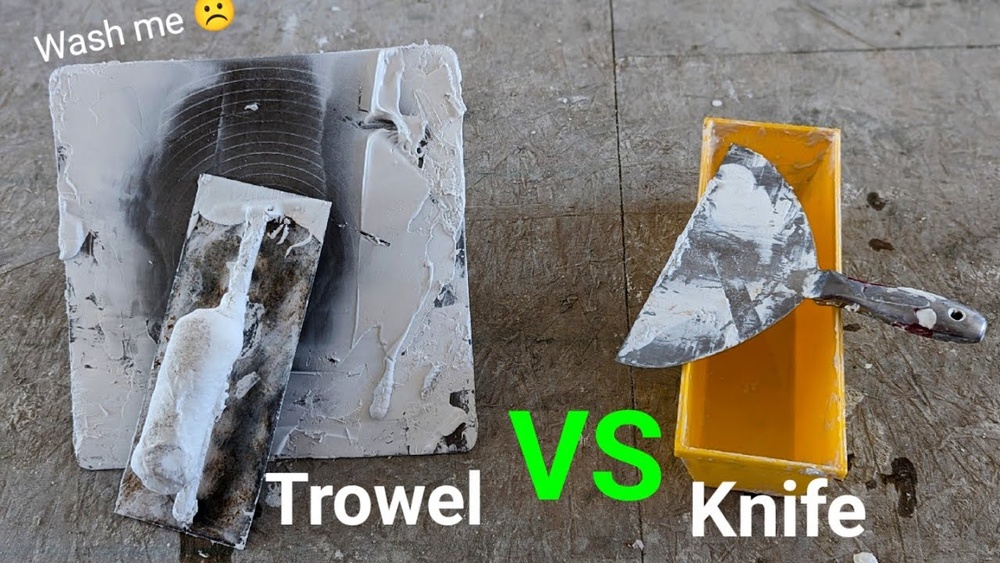
Choosing the right tool can make or break the finish of your drywall project. Whether you’re patching a hole, taping joints, or applying the final coat of compound, the debate between using a drywall knife and a trowel is ongoing among professionals and DIYers alike. Each tool has loyal advocates, and the decision often comes down to the scale of the job, the desired finish, and your personal working style. The nuances between these two tools impact not just the ease of application, but also the quality of the final surface.
In my experience renovating both old and new homes, I’ve seen how a poorly chosen tool can lead to extra sanding, visible seams, and costly rework. Conversely, mastering the correct use of either a drywall knife or trowel can elevate your project from average to outstanding.
This article will provide a comprehensive, data-driven comparison of drywall knives versus trowels, delve into their respective strengths and limitations, and offer guidance on when and how to use each tool for optimal results.
Key Takeaways
- Drywall knives are ideal for precision work, especially for taping and finishing seams.
- Trowels offer efficiency and speed for large surface areas and are often favored by plasterers.
- Tool selection impacts finish quality, job speed, and even material usage.
- Skill level and project size should inform your choice between a drywall knife and trowel.
- Both tools require proper technique and maintenance for best results.
- Real-world examples illustrate that hybrid approaches often yield the most professional outcome.
Understanding Drywall Knives And Trowels
What Is A Drywall Knife?
A drywall knife is a flat, rectangular blade with a handle, typically ranging from 4 to 14 inches in width. Designed for spreading joint compound, smoothing seams, and feathering edges, drywall knives are essential for taping and finishing drywall installations. The blade is usually made from stainless steel or high-carbon steel, offering a balance between flexibility and rigidity.
What Is A Trowel?
A trowel is a broader, flat tool with a handle set above the blade, often used in plastering and masonry. In drywall work, finishing trowels range from 10 to 18 inches wide and are used for skimming, smoothing, and applying larger amounts of joint compound. The design allows for wide, sweeping motions, making them effective for covering extensive areas quickly.
Key Similarities
- Both tools are used to spread and smooth joint compound (mud) over drywall.
- They come in various sizes and materials to suit different tasks.
- Both require careful technique to avoid lines, ridges, or air bubbles.
Crucial Differences
- Blade shape and flexibility: Drywall knives are more flexible, while trowels offer a stiffer, broader surface.
- Grip and control: Knives are held like a spatula, trowels like a paint roller.
- Application area: Knives excel at detail work; trowels shine on large, flat surfaces.

Credit: www.youtube.com
Design And Material Differences
Blade Material
The choice of material impacts both performance and durability. Stainless steel blades resist rust and are easy to clean, while carbon steel blades offer superior flexibility but require more maintenance. Some high-end trowels and knives use blue steel for a balance of strength and flexibility.
Handle Ergonomics
Drywall knives typically have a straight, grippy handle for precision, often with rubberized or textured finishes to reduce slippage. Trowel handles are elevated and rounded, designed for comfort during broad, sweeping motions. Some professional-grade trowels feature ergonomic designs to reduce hand fatigue during extended use.
Size Variations
| Tool | Common Sizes | Best Application |
|---|---|---|
| Drywall Knife | 4″, 6″, 8″, 10″, 12″, 14″ | Taping, corners, finishing seams |
| Trowel | 10″, 12″, 14″, 16″, 18″ | Skimming, large flat areas, plaster |
Maintenance And Lifespan
Proper cleaning after each use prevents compound buildup and rust. Stainless steel tools, though more expensive, typically outlast carbon steel when maintained correctly. Blade nicks or bent edges can impact finish quality, so regular inspection is crucial.

Credit: www.youtube.com
Performance Comparison: Drywall Knife Vs Trowel
Ease Of Use
Drywall knives are generally easier for beginners due to their smaller size and flexibility. They allow for precise control, especially when feathering edges or working in tight spaces. Trowels, on the other hand, require a steadier hand and a more practiced technique. The wider blade can create a smoother surface over large areas, but it may be unwieldy for those new to drywall work.
Speed And Efficiency
For large walls or ceilings, trowels offer a significant speed advantage. Their wider surface allows for fewer passes and a more even application. Drywall knives, while slower on big areas, are unmatched for detail work around windows, doors, and corners.
Quality Of Finish
A well-handled trowel can produce an exceptionally smooth, almost glass-like finish, reducing the need for sanding. However, improper technique can leave ridges or waves. Drywall knives are less likely to gouge the surface but may leave more visible lines if not feathered correctly.
Material Usage
Trowels typically allow for the application of thinner, more uniform coats of compound, which can reduce material waste. Knives, especially smaller ones, may result in thicker or uneven layers, leading to more sanding and potential compound waste.
Real-world Example: Residential Remodel
During a recent basement remodel, I used a 12-inch drywall knife for taping and finishing seams, and a 16-inch trowel for skimming large ceiling areas. The trowel enabled me to cover the ceiling in half the time compared to using only knives, while the knife provided control for detailed work around fixtures. This hybrid approach yielded a professional finish and minimized rework.

Credit: www.youtube.com
When To Use A Drywall Knife
Taping Joints
Drywall knives, especially in the 6- to 8-inch range, are the standard tool for embedding tape into seams. Their flexible blades help press the tape firmly into the joint while applying an even layer of compound.
Feathering Edges
When applying subsequent coats, a wider drywall knife (10 to 14 inches) is perfect for feathering the edges, blending the compound seamlessly into the existing wall surface.
Repair Work
For patching holes or small cracks, the maneuverability of a drywall knife is unmatched. Its compact size allows for precision in tight spots and corners.
Finishing Inside And Outside Corners
Specialty drywall knives, such as corner knives, are designed specifically for finishing inside or outside corners, a task where trowels cannot compete.
Pro Tip:
Always clean your drywall knife between coats to avoid dried compound creating scratches or gouges in your finish.
When To Use A Trowel
Skim Coating Large Surfaces
A trowel is the tool of choice for applying a thin, even layer of compound over entire walls or ceilings. This technique, known as skim coating, is essential for creating a smooth, uniform surface, particularly on old or uneven drywall.
Applying Veneer Plaster
Trowels excel in applying veneer plaster or other finishing plasters. Their stiff blades allow for broad, sweeping motions that distribute material efficiently and produce a high-quality finish.
Smoothing Joint Compound
For professionals tackling large drywall installations, trowels make quick work of smoothing the final coat. Their width helps eliminate lap marks and reduces the need for sanding.
Decorative Techniques
Some plaster finishes and textures, such as Venetian plaster, require the broad, controlled strokes only a trowel can provide.
Example:
A local contractor shared that switching from knives to trowels for ceiling skim coats reduced their average sanding time by 30% due to the smoother finish achieved on the first pass.
Pros And Cons: Side-by-side Analysis
To help clarify the strengths and drawbacks of each tool, refer to the comparison table below.
| Feature | Drywall Knife | Trowel |
|---|---|---|
| Precision | Excellent for small areas and corners | Challenging for detail work |
| Speed on Large Surfaces | Slower | Much faster |
| Finish Quality | Very good, but may require more sanding | Ultra-smooth with less sanding needed |
| Learning Curve | Easy for beginners | Requires practice |
| Material Waste | Moderate to high | Low |
| Best Use Case | Taping, corners, repairs | Skim coating, large areas |
| Cost | Typically $5-$20 | Typically $15-$40 |
Summary Points
- Choose a drywall knife for detail work, taping, and repairs.
- Opt for a trowel when covering large surfaces or aiming for a high-end finish.
- Both tools have unique advantages; often, a combination is best.
Skill Level, User Comfort, And Learning Curve
Beginner-friendly Tools
For those new to drywall, knives are less intimidating. Their small size and flexibility allow for easy control and error correction. Beginners often find the trowel awkward, as the broad blade can lead to uneven application if not properly angled.
Professional Preferences
Experienced contractors often use trowels for efficiency. They master the subtle wrist motions required to avoid ridges and achieve a perfectly flat surface. However, even professionals keep a range of knives handy for corners and touch-ups.
Training And Technique
Learning to use a trowel effectively can take time. Techniques such as “laying on” and “pulling off” the compound require practice to master. Many plasterers recommend starting with smaller trowels before moving up to wider blades. Training videos and workshops, like those offered by the National Gypsum Association, are valuable resources.
Ergonomics And Fatigue
Trowels, especially larger ones, can cause hand and wrist fatigue during prolonged use. Ergonomic handles and periodic breaks help mitigate this. Drywall knives are lighter and less fatiguing, making them preferable for small jobs or users with less upper body strength.
Example:
A study on tool-related fatigue published by the Journal of Construction Engineering found that workers using large trowels for over two hours without rest experienced 25% more wrist discomfort compared to those alternating with knives.
Cost Considerations And Tool Longevity
Initial Investment
Drywall knives are generally less expensive, with entry-level options starting around $5. High-quality, stainless steel knives can cost up to $20. Trowels, due to their size and construction, range from $15 for basic models to $40 or more for premium brands.
Replacement Frequency
With proper care, both tools can last for years. Stainless steel resists rust and warping, while carbon steel requires more vigilance against moisture. Blades can be sharpened or replaced as needed.
Maintenance Best Practices
- Clean thoroughly after each use.
- Store in a dry place to prevent rust.
- Inspect for nicks or bends before use.
Value Over Time
While the upfront cost of a trowel is higher, its efficiency on large projects can translate to labor cost savings. Conversely, knives are ideal for small projects or as supplementary tools.
Real-world Case Studies And Expert Insights
Case Study: Diy Home Renovation
A homeowner tackling a 1,200-square-foot basement used only drywall knives for the entire project. The finish was acceptable, but the final sanding and touch-up took twice as long as anticipated. After consulting with a local pro, they switched to a trowel for the next phase, reducing their sanding time and achieving a smoother finish.
Case Study: Commercial Contractor
A commercial drywall contractor managing a hotel renovation standardized on 16-inch trowels for all ceiling work. Their crews reported a 20% faster completion rate and higher client satisfaction with the finish quality, especially on large, uninterrupted surfaces.
Expert Opinion
According to the Gypsum Association, the choice between a knife and trowel should be dictated by the job size and desired finish. For detail work and repairs, knives are essential. For efficiency and premium finishes, trowels are invaluable.
Example:
In one high-end residential project, a hybrid approach was used: knives for the initial taping and corners, trowels for the final skim coat. The client praised the seamless walls and minimal dust from sanding.
Choosing The Right Tool For Your Project
Assessing Project Scope
- Small repairs or patches: Use a drywall knife.
- New wall or ceiling installation: Use both, a knife for seams and corners, a trowel for broad skim coats.
Material Being Applied
- Joint compound: Both tools work well, but trowels provide a smoother finish for top coats.
- Veneer or setting-type plaster: Trowels are necessary for proper application.
Finish Quality Desired
- Standard finish: Drywall knives suffice for most homes.
- Luxury or commercial finish: Trowels deliver the premium, ultra-smooth surface sought in high-end projects.
Budget And Tool Availability
- Consider starting with a set of drywall knives, then invest in a quality trowel for larger or repeat projects.
- Many tool rental centers offer professional-grade trowels for short-term use.
Pro Tip:
Test both tools on a scrap piece of drywall to get a feel for their handling and impact on finish quality before starting your actual project.
Safety, Maintenance, And Tool Care
Safe Handling Practices
Both knives and trowels have sharp edges. Always wear work gloves when handling or cleaning tools. Store them safely out of reach of children.
Cleaning And Storage
- Rinse tools immediately after use to prevent compound hardening.
- Use a plastic brush for stubborn residue.
- Dry thoroughly before storage to prevent rust.
Sharpening And Repair
Dull or nicked blades compromise finish quality. Sharpen blades using a fine file or replace them as needed. Check handles regularly for cracks or loose fittings.
Pro Tip:
A light coat of machine oil on metal blades before long-term storage helps prevent rust.
Frequently Asked Questions
What Is The Main Difference Between A Drywall Knife And A Trowel?
A drywall knife is a flexible, rectangular blade ideal for taping, feathering, and small repairs. A trowel is a broader, stiffer tool used for skimming large surfaces and applying plaster or joint compound in wide, even layers. The main difference lies in their size, blade flexibility, and the tasks they’re best suited for.
Can I Use A Trowel For All Drywall Work?
While a trowel excels at covering large areas, it is not well-suited for taping seams, finishing corners, or small repairs. For comprehensive drywall work, both knives and trowels are needed to achieve professional results across different areas of the project.
How Do I Prevent Lines And Ridges When Using A Trowel?
To minimize lines and ridges, hold the trowel at a slight angle and apply even pressure throughout your pass. Overlap strokes slightly and maintain a clean, smooth blade. For best results, practice on a test surface before tackling your main project.
Are Stainless Steel Tools Worth The Extra Cost?
Stainless steel tools are more resistant to rust and easier to clean, making them a worthwhile investment for frequent users or professionals. They also maintain their edge longer, reducing the likelihood of surface imperfections due to blade wear.
What Size Drywall Knife Or Trowel Should I Start With As A Beginner?
Beginners often find a 6-inch drywall knife easiest to control for taping and small repairs. For trowels, starting with a 12-inch finishing trowel allows for effective skimming without being too unwieldy. As your skill improves, you can experiment with larger sizes for increased efficiency.
Choosing the right tool for drywall finishing can dramatically affect the quality and efficiency of your project. While drywall knives are indispensable for detail work, trowels offer speed and a superior finish on large surfaces. In practice, most professionals use a combination of both to achieve the best results. Invest in quality tools, practice your technique, and you’ll see a noticeable improvement in your drywall finishes. For more information on drywall tools and finishing techniques, resources like Family Handyman provide valuable, real-world guidance.
