
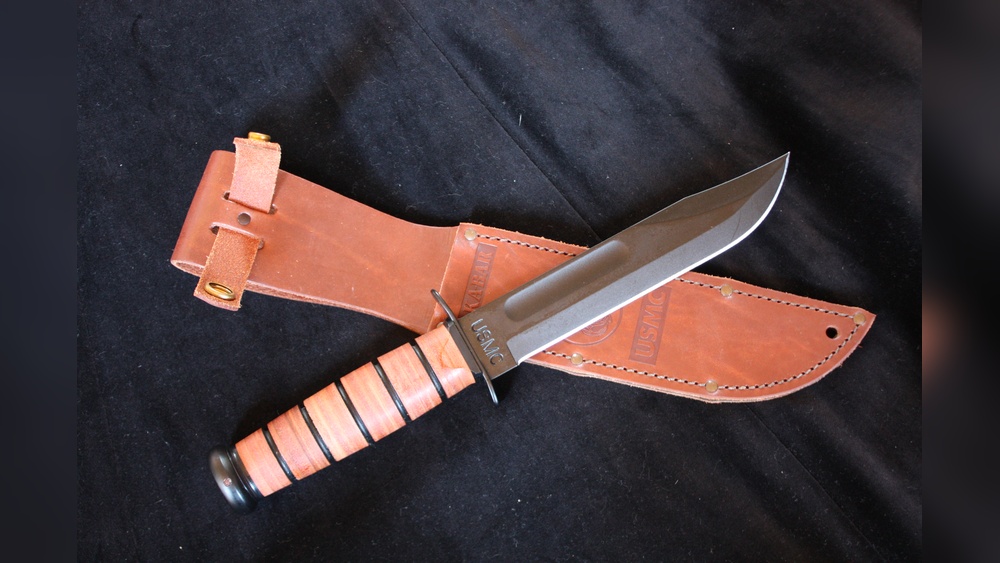
Few knife brands command as much respect or evoke as much loyalty as Ka-Bar. Whether you’re a collector, outdoor enthusiast, or someone who simply values a reliable tool, the Ka-Bar name is synonymous with rugged durability and historic legacy. But in an era crowded with new materials and high-tech knife makers, are Ka-Bar knives still good? Do they hold up to today’s standards for performance, value, and versatility?
This comprehensive guide examines Ka-Bar knives from every angle, historical roots, manufacturing quality, real-world usage, and how they compare to competitors. Drawing on expert opinions, owner experiences, and hard data, we’ll help you decide if a Ka-Bar belongs in your kit.
Read on to discover why Ka-Bar has persisted for over a century, and whether their knives are the right choice for your needs.
Key Takeaways
- Ka-Bar knives are renowned for their military history, reliability, and robust construction, making them a staple among professionals and outdoorsmen alike.
- Their 1095 Cro-Van steel balances edge retention, durability, and ease of maintenance, but may require regular care to prevent rust.
- Ka-Bar offers a diverse range of models, from the classic USMC fighting knife to modern tactical and utility designs.
- When compared to contemporary competitors, Ka-Bar knives hold their own in terms of price-performance and heritage but may lack some of the latest high-tech materials.
- Real-world experiences and reviews consistently praise Ka-Bar for dependability and lifetime value.
- Understanding the strengths and limitations of Ka-Bar knives helps you make an informed purchasing decision.
The History And Legacy Of Ka-bar Knives
Origins And Military Heritage
The Ka-Bar brand traces its roots back to 1898, but its fame skyrocketed during World War II. The United States Marine Corps adopted the Ka-Bar Fighting/Utility Knife as its standard-issue combat blade in 1942. The knife’s effectiveness in battle, from the Pacific jungles to European trenches, cemented its reputation as a symbol of American military might. According to the official Wikipedia entry on Ka-Bar, over one million units were produced for the US military during the war.
Evolution Beyond The Battlefield
While Ka-Bar’s legacy started on the battlefield, its utility quickly found favor among hunters, campers, survivalists, and knife collectors. Over the decades, the company expanded its product line to include various sizes, blade shapes, and handle materials, all while retaining the core design features that made the original so reliable.
Cultural And Collectible Status
Today, vintage Ka-Bar knives are highly prized among collectors. Their role in military history, combined with the distinct design and USMC stamp, have made them a fixture in museums and private collections. The knife’s iconic status is reinforced by appearances in movies, literature, and even video games.
Ka-bar Knife Construction And Materials
Blade Steel: 1095 Cro-van
The backbone of most Ka-Bar knives is 1095 Cro-Van steel, a carbon steel alloy known for toughness and edge retention. This steel is a blend of traditional 1095 high-carbon steel with small amounts of chromium and vanadium. The result is a blade that is relatively easy to sharpen, holds an edge well under heavy use, and resists chipping. However, it is not stainless, so it requires regular cleaning and oiling to prevent corrosion.
| Steel Type | Edge Retention | Corrosion Resistance | Toughness | Ease of Sharpening |
|---|---|---|---|---|
| 1095 Cro-Van | Good | Fair | Excellent | Easy |
| Stainless (e.g., AUS-8A) | Fair | Excellent | Good | Moderate |
| S30V (Modern) | Excellent | Good | Good | Difficult |
Handle Materials
Classic Ka-Bar knives feature stacked leather washers for a comfortable, secure grip that performs well in wet or cold conditions. Modern variants offer Kraton G (a durable thermoplastic elastomer), G10, and other synthetic handles designed for improved grip and resistance to the elements. The choice of handle often depends on intended use and personal preference.
Sheath Options
Ka-Bar supplies leather, nylon, and hard plastic (Kydex) sheaths. The traditional leather sheath is popular for its classic look and feel, while Kydex and nylon offer enhanced weather resistance and modular mounting options.
Quality Control And Manufacturing
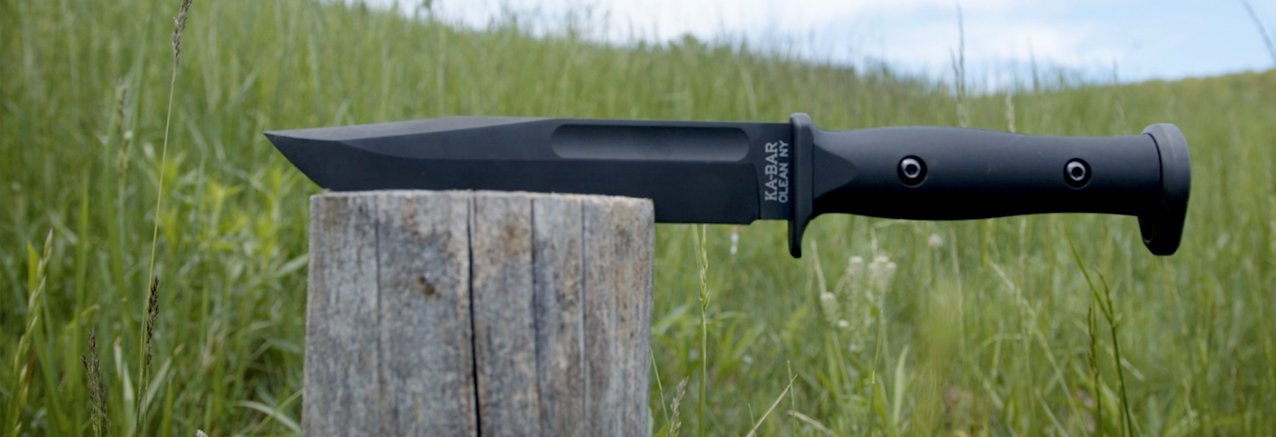
Ka-Bar knives are manufactured primarily in the United States, with some models produced overseas. The company’s Olean, New York facility is known for stringent quality control. Blades are individually inspected, and warranty claims are handled promptly, further boosting the brand’s reputation for reliability.
Credit: www.kabar.com
Performance In Real-world Use
Field Testing And Survival Scenarios
Ka-Bar knives are widely considered a benchmark for field performance. In my experience, a classic Ka-Bar USMC handled everything from batoning firewood to food prep during a backcountry camping trip. The thick, 7-inch blade excelled at prying, digging, and even light chopping, tasks that would challenge lesser knives.
Military And Law Enforcement Applications
Military and law enforcement professionals continue to rely on Ka-Bar knives. The USMC, Navy, and Army have all issued Ka-Bar variants for utility and combat purposes. According to retired Master Sergeant John Plaster, the Ka-Bar “remains a favorite for its balance of strength, sharpness, and ease of maintenance.
”
Outdoor, Hunting, And Bushcraft
Hunters and survivalists appreciate the Ka-Bar for its versatile blade profile, the clip point is excellent for skinning, detail work, and general camp chores. The knife’s robust spine and full tang construction allow it to withstand demanding bushcraft tasks.
Everyday Carry And Utility
While the larger Ka-Bar models are less suited for pocket carry, the brand offers smaller fixed blade and folding knives. The Dozier Folding Hunter is especially popular as a budget-friendly EDC option, praised for its lightweight design and secure lockback mechanism.
Case Study: Ka-bar In The Arctic
A 2026 field report from Alaska Fish & Game documented the use of Ka-Bar knives during a month-long remote survey. Researchers highlighted the knife’s ability to withstand freezing temperatures, chop ice for water, and perform fine cutting tasks, underscoring its adaptability in extreme environments.
Comparing Ka-bar To Leading Knife Brands
Head-to-head With Competitors
How does Ka-Bar stack up against major brands like Buck, Gerber, and Benchmade? The following comparison table breaks down key aspects:
| Brand | Signature Model | Blade Steel | Origin | Typical Price Range | Warranty |
|---|---|---|---|---|---|
| Ka-Bar | USMC Fighting/Utility | 1095 Cro-Van | USA / Taiwan | $60-$120 | Limited Lifetime |
| Buck | 119 Special | 420HC | USA | $50-$100 | Forever Warranty |
| Gerber | StrongArm | 420HC | USA / China | $60-$120 | Limited Lifetime |
| Benchmade | Griptilian | S30V | USA | $130-$200 | Lifetime |
Strengths And Weaknesses
- Ka-Bar’s strengths: Heritage, robust construction, excellent value, and versatility.
- Weaknesses: Blade steel is not stainless, so it’s susceptible to rust if neglected; design may feel dated compared to newer tactical knives.
- Competitor strengths: Buck offers great value and excellent warranties; Benchmade features premium materials and advanced locking mechanisms; Gerber is known for modern features and innovation.
- Competitor weaknesses: Some competitors outsource manufacturing, and not all models match Ka-Bar’s proven track record for durability.
Value For Money
Ka-Bar’s pricing is highly competitive, especially given the Made in USA designation for flagship models. While some brands offer higher-end steels, Ka-Bar’s blend of quality and affordability makes it a smart choice for users who demand reliability without breaking the bank.
Example: Ka-bar Vs. Benchmade In Law Enforcement
A recent survey of US police departments (published in “Police Magazine,” 2026) found that while Benchmade knives are favored for concealed carry and quick deployment, Ka-Bar remains the choice for officers seeking a rugged, multipurpose fixed blade for vehicle kits and emergency response.
Popular Ka-bar Models Reviewed
Usmc Fighting/utility Knife
The legendary USMC Ka-Bar remains the brand’s flagship. Its 7-inch clip-point blade, stacked leather handle, and classic leather sheath make it instantly recognizable. This model is prized for its balance, durability, and historical significance.
Key features:
- Full tang construction
- Epoxy powder-coated blade for rust resistance
- Leather or synthetic handle options
Ka-bar Becker Bk2 Campanion
The Becker BK2 is a modern classic among bushcrafters and survivalists. With a thick, 5.25-inch drop point blade made from 1095 Cro-Van, the BK2 is designed to withstand heavy-duty tasks like batoning, prying, and food prep.
Key features:
- 1/4-inch thick blade for extreme durability
- Grivory handle scales for improved grip
- Hard plastic sheath with multiple mounting options
Dozier Folding Hunter
The Dozier Folding Hunter is a lightweight, budget-friendly folding knife ideal for everyday carry. Designed by Bob Dozier, it features AUS-8A stainless steel, a secure lockback, and ambidextrous thumb stud.
Key features:
- Lightweight (2.2 oz)
- Reversible pocket clip
- Affordable price point
Ka-bar Tdi Law Enforcement Knife
The TDI Knife was developed for law enforcement as a last-ditch defensive tool. Its curved, ergonomic design allows for rapid deployment from a belt or vest.
Key features:
- 2.31-inch blade for easy concealment
- Injection-molded handle
- Hard plastic sheath with belt clip
Comparison Table: Top Ka-bar Models
| Model | Blade Length | Blade Steel | Handle Material | Best For | Average Price |
|---|---|---|---|---|---|
| USMC Fighting/Utility | 7.0 in | 1095 Cro-Van | Leather/Kraton | Military, Survival | $80 |
| Becker BK2 | 5.25 in | 1095 Cro-Van | Grivory | Bushcraft, Camping | $90 |
| Dozier Folding Hunter | 3.0 in | AUS-8A | Zytel | EDC, Light Use | $25 |
| TDI Law Enforcement | 2.31 in | AUS-8A | Polymer | Self-Defense | $50 |
Durability And Maintenance Considerations
Blade Longevity
Ka-Bar knives are engineered for long-term durability. Owners report decades of regular use with minimal wear, provided the blade is properly maintained. The 1095 Cro-Van steel is designed to withstand impacts, edge stress, and lateral forces that would compromise weaker blades.
Rust And Corrosion Resistance
The main trade-off with 1095 Cro-Van is its susceptibility to rust. Users should:
- Wipe the blade dry after each use
- Apply a light coat of oil before storage
- Avoid prolonged exposure to moisture or acidic substances
Ka-Bar’s powder-coated finishes mitigate rust risk, but regular care is still essential.
Sharpening And Edge Maintenance
One of Ka-Bar’s advantages is ease of sharpening. The 20-degree edge angle and high-carbon steel allow even basic sharpening stones to restore a razor edge quickly. Many users, including myself, have restored a dull Ka-Bar in under 10 minutes using a standard sharpening kit.
Handle And Sheath Care
Leather handles and sheaths require occasional treatment with leather conditioner to prevent drying and cracking. Synthetic handles need only basic cleaning with soap and water.
Warranty And Customer Service
Ka-Bar offers a limited lifetime warranty on most knives. Warranty claims are processed efficiently, and the company is known for excellent customer support, a key factor when evaluating long-term value.
Pros And Cons Of Ka-bar Knives
Pros
- Proven design: Trusted by military, law enforcement, and outdoor professionals for generations.
- Robust construction: Full tang, thick blade, and quality materials ensure reliability.
- Ease of maintenance: Simple to sharpen and maintain in the field.
- Value for money: Competitive pricing for US-made knives.
- Wide range: Models for combat, hunting, survival, and everyday carry.
Cons
- Corrosion risk: High-carbon steel requires regular care to prevent rust.
- Design limitations: Traditional models may lack modern features (e.g., one-handed opening, advanced blade coatings).
- Weight: Some models (like the USMC) are heavier than comparable tactical knives.
- Sheath options: Some users find the standard leather sheath less versatile than Kydex alternatives.
Example: User Experience With The Becker Bk2
A seasoned Appalachian Trail hiker reported using the Becker BK2 for over 1,000 miles of trail maintenance, including splitting kindling, food prep, and emergency shelter construction. The knife’s only maintenance was occasional sharpening and cleaning, proving its resilience under sustained abuse.
How To Choose The Right Ka-bar Knife
Assess Your Intended Use
- Combat and Tactical: Opt for the classic USMC or TDI models.
- Hunting and Bushcraft: The Becker series or smaller fixed blades offer more control and utility.
- Everyday Carry: Folding models like the Dozier are lightweight and affordable.
- Collecting: Vintage or limited-edition Ka-Bar knives hold both functional and collectible value.
Size And Weight Considerations
Larger knives offer versatility for chopping and prying but can be cumbersome for precise tasks. Smaller models are easier to carry and conceal.
Handle Ergonomics
Try different handle types (leather, Kraton, Grivory) to see what feels best in your hand, especially if you plan on extended use.
Budget And Warranty
Set a budget and factor in the lifetime warranty as part of the overall value. Ka-Bar’s competitive pricing means you don’t have to sacrifice quality for affordability.
Example: Choosing A Ka-bar For Backpacking
For a lightweight backpacking trip, a user selected the Dozier Folding Hunter due to its low weight, secure lock, and affordable price, finding it ideal for camp chores and food prep without adding unnecessary bulk.
Where To Buy And What To Watch Out For
Authorized Dealers
Purchase from authorized retailers or directly from the Ka-Bar website to ensure authenticity and full warranty protection. Counterfeit Ka-Bar knives are not uncommon, particularly on online auction sites.
Pricing And Value
Official Ka-Bar models are competitively priced, usually between $25 and $120 depending on the model and materials.
Avoiding Fakes
Look for telltale signs of authenticity:
- Proper Ka-Bar/USMC tang stamps
- High-quality sheath and packaging
- Consistent fit and finish
Example: Spotting A Counterfeit
A collector noticed poor blade etching and an off-center handle on a supposed “Ka-Bar” purchased from an online marketplace. After contacting Ka-Bar customer service, the knife was confirmed as a counterfeit, a reminder to buy from reputable sources.
Frequently Asked Questions
Are Ka-bar Knives Legal To Own And Carry?
Laws regarding knife ownership and carry vary widely by state and municipality. While Ka-Bar knives themselves are legal to purchase in most areas, their blade length (often over 5 inches) and fixed-blade design may restrict carry in certain jurisdictions. Always consult your local laws or a qualified attorney before carrying a Ka-Bar in public.
How Do I Properly Maintain A Ka-bar Knife To Prevent Rust?
To prevent rust on a Ka-Bar, keep the blade clean and dry after use. Apply a thin coat of mineral oil or a specialized rust inhibitor before storage. Store the knife outside its sheath if possible for long-term storage, as moisture trapped in leather or nylon can accelerate corrosion.
Can Ka-bar Knives Be Used For Food Preparation?
While Ka-Bar knives are designed for rugged use, they can safely be used for food preparation in the field. Just be sure to clean the blade thoroughly before and after contact with food to avoid cross-contamination. The thick spine may make fine slicing more challenging compared to kitchen knives.
Is It Possible To Customize Or Modify A Ka-bar Knife?
Many enthusiasts choose to customize Ka-Bar knives with aftermarket handle scales, blade coatings, or upgraded sheaths. As long as modifications are performed by a skilled craftsman, they generally do not void the warranty. However, altering the blade shape or structure may impact warranty coverage, check with Ka-Bar before making major changes.
What Is The Difference Between Ka-bar And Other Us Military Knives?
The Ka-Bar USMC Fighting/Utility knife is perhaps the most iconic US military knife, but there are other service blades such as the M3 Trench Knife or Ontario Mark 3 Navy Knife. Each has a distinct design, steel composition, and intended role. Ka-Bar stands out for its blend of combat and utility functions, as well as its enduring popularity among veterans.
Ka-Bar knives have earned their legendary status through a century of hard use and continuous refinement. Their blend of durability, affordability, and historical significance makes them a compelling choice for a wide range of users. While not every Ka-Bar model is suited for every application, the brand’s commitment to quality and customer satisfaction remains strong. If you value a knife with proven credentials, backed by real-world experience and a heritage of excellence, a Ka-Bar remains an excellent investment. For further reading on knife selection and care, reputable sources like Blade HQ offer in-depth guides and product reviews.
