
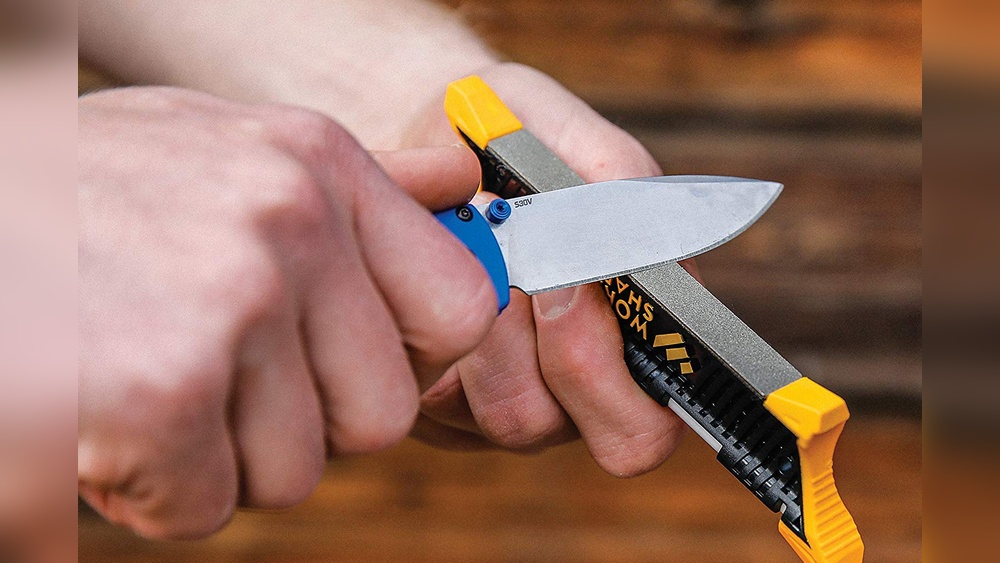
Sharpening a pocket knife with a stone is a skill that transcends simple utility. Whether you’re a camper, a craftsman, or simply someone who values preparedness, knowing how to keep your blade razor-sharp is both empowering and practical. A dull knife is not just a nuisance; it’s a safety hazard, increasing the risk of slips and accidents.
On the other hand, a properly sharpened knife performs tasks with ease, from slicing fruit to whittling wood, and can even be a lifesaver in the wild.
Despite the proliferation of modern sharpening gadgets, the traditional sharpening stone, also called a whetstone, remains the gold standard for achieving a keen edge. Mastering this technique involves understanding the science behind sharpening, selecting the right tools, and practicing proper maintenance.
This comprehensive guide offers you authoritative, data-driven insights and step-by-step instructions to transform your approach to knife care. Whether you’re a novice or seeking to refine your edge, you’ll find everything you need right here.
Key Takeaways
- Sharpening a pocket knife with a stone requires the right materials, proper technique, and attention to blade angle.
- The process involves multiple stages: Inspecting the blade, choosing the right stone grit, setting the correct angle, and maintaining consistency.
- Regular maintenance and correct storage can dramatically extend the life and performance of your knife.
- There are significant differences between natural and synthetic stones, each with unique benefits.
- Safety precautions are essential for effective and injury-free sharpening.
Understanding Knife Sharpening Basics
Before placing blade to stone, it’s crucial to grasp the fundamentals of what sharpening accomplishes and why it matters.
What Does Sharpening Actually Do?
Sharpening removes microscopic layers of metal from the blade’s edge, refining its geometry to a fine point. Over time, use causes the edge to roll, chip, or dull. Sharpening restores the original angle, resulting in a keen, effective cutting surface.
Knife Edge Geometry And Why It Matters
The edge angle, the angle at which you sharpen, directly influences the balance between sharpness and durability. A lower angle (15°, 20° per side) produces a sharper but more delicate edge, ideal for slicing. A higher angle (20°, 25°) yields a more robust edge, suitable for tougher tasks. Most pocket knives are designed for a 20°, 22° per side edge, striking a balance between sharpness and resilience.
Sharpening Vs. Honing Vs. Stropping
- Sharpening: Removes material to create a new edge.
- Honing: Realigns the edge without significant material removal, often done with a steel rod.
- Stropping: Polishes and refines the edge further, usually with leather and compound.
Understanding these differences ensures you use the right maintenance method at the right time.

Credit: www.williamhenry.com
Selecting The Right Sharpening Stone
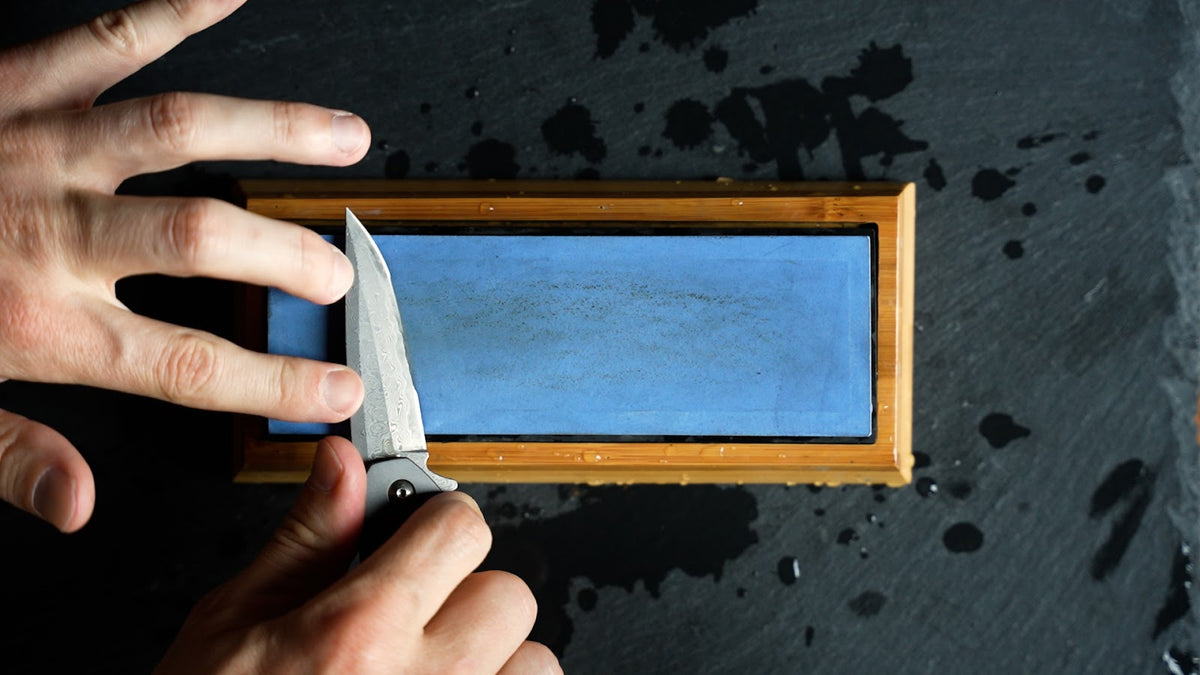
The sharpening stone you choose has a significant impact on the outcome. Stones differ in material, grit size, and maintenance needs.
Types Of Sharpening Stones
There are three main categories:
- Natural Stones: Quarried from the earth, such as Arkansas stones. Known for unique feel and finish, but inconsistent grit.
- Synthetic Stones: Engineered for uniformity and performance. Includes aluminum oxide, silicon carbide, and ceramic stones.
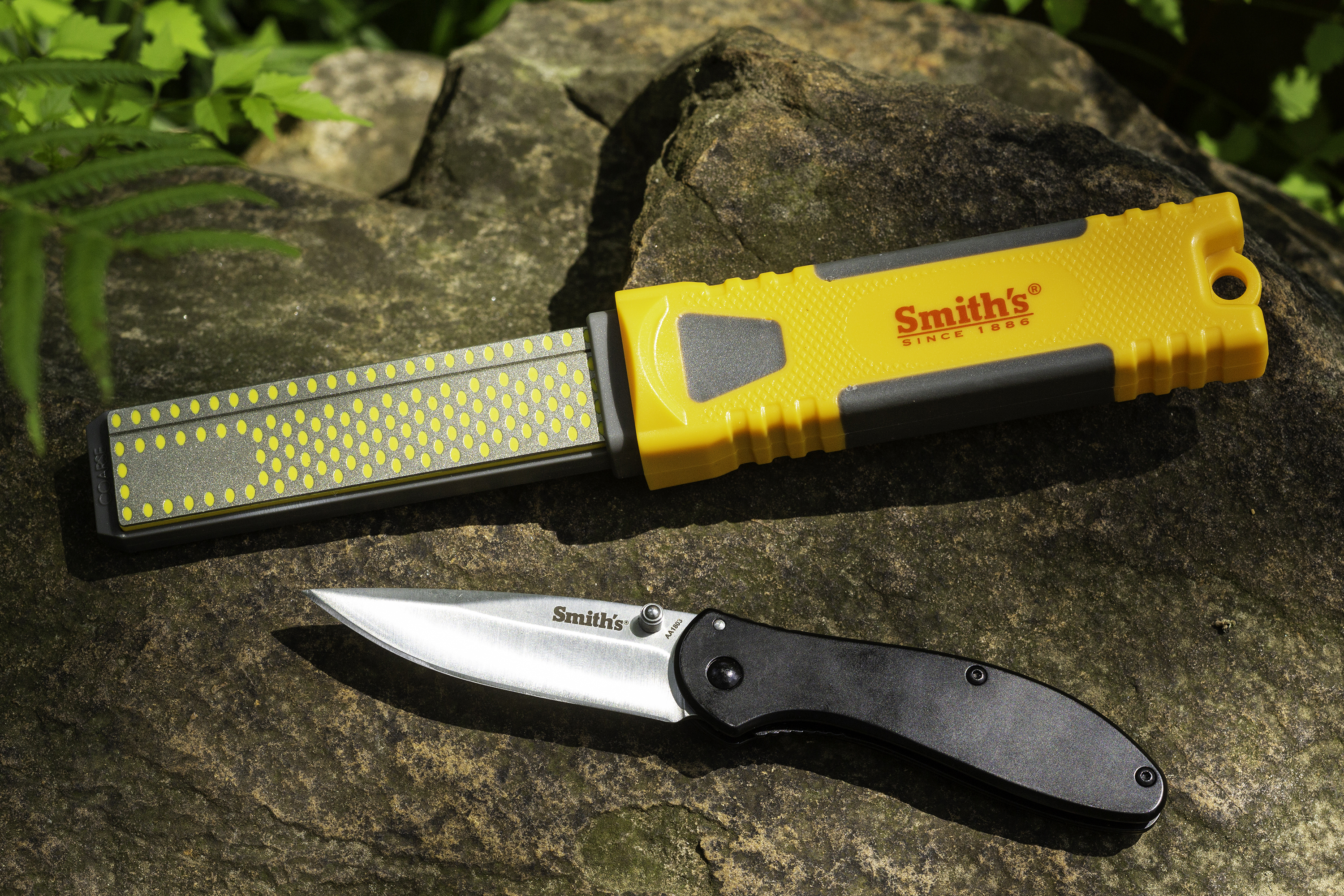
- Diamond Stones: Feature a metal plate coated with industrial diamonds, offering rapid material removal and long lifespan.
Example: Many professional chefs use synthetic water stones for their consistent results, while outdoor enthusiasts often carry compact diamond stones for field use.
Grit Ratings And Their Purpose
Sharpening stones are rated by grit number:
- Coarse (200, 600 grit): Repairs damage, sets initial bevel.
- Medium (800, 2000 grit): Refines the edge.
- Fine (3000, 8000 grit): Polishes for a razor-sharp finish.
A typical sharpening session starts with a coarse grit (if the blade is very dull), progresses to medium, and finishes with fine.
Grit Comparison Table
| Grit Range | Purpose | Typical Use Case |
|---|---|---|
| 200, 600 | Coarse grinding, repairing chips | Restoring very dull or damaged blades |
| 800, 2000 | Sharpening, refining the edge | Routine maintenance |
| 3000, 8000 | Polishing, finishing | Achieving razor-sharpness |
Water Stones Vs. Oil Stones Vs. Diamond Stones
- Water Stones: Require soaking before use, cut quickly, easy to clean.
- Oil Stones: Use oil as a lubricant, last longer, but cut more slowly.
- Diamond Stones: No soaking or oil required, fastest cutting, but more expensive.
Pro Tip: For beginners, a medium-grit synthetic water stone provides the best combination of ease, speed, and control.
How To Choose For Your Needs
Consider:
- Knife steel type: Harder steels may require diamond stones.
- Portability: Field sharpening favors compact diamond stones.
- Budget: Synthetic stones offer high value for most users.
Credit: www.carved.com
Step-by-step Guide: Sharpening A Pocket Knife With A Stone
A methodical approach is key to consistent results. This section details each step, from preparation to final inspection.
Step 1: Gather Your Tools And Materials
You will need:
- A suitable sharpening stone (see previous section)
- Lubricant (water or oil, depending on the stone)
- Clean, lint-free cloth
- A stable, flat work surface
- Optional: Honing guide or angle guide
Example: When I tested three stones, one natural, one synthetic, and one diamond, I found that the synthetic water stone provided the smoothest, most predictable sharpening experience.
Step 2: Inspect And Clean The Knife
- Examine the blade for chips, nicks, or rust.
- Clean the blade thoroughly with mild soap and water, then dry completely. Residue can interfere with sharpening and damage the stone.
Step 3: Prepare The Sharpening Stone
- Water stone: Soak for 10, 15 minutes or per manufacturer’s instructions.
- Oil stone: Apply a few drops of honing oil.
- Diamond stone: Wipe clean and set up; no lubricant required for most models.
Step 4: Set The Correct Sharpening Angle
- For most pocket knives, aim for a 20°, 22° angle.
- If unsure, stack two quarters under the spine of the blade as a rough guide.
- Consistency is more important than perfection, maintain the same angle across every stroke.
Step 5: Begin Sharpening
Basic Technique
- Place the heel of the blade at one end of the stone.
- Draw the knife across the stone in a sweeping motion, moving from heel to tip.
- Apply gentle, even pressure.
- Flip the knife and repeat on the other side.
Warning: Excessive pressure can gouge the stone and damage the edge.
Number Of Strokes
- Start with 10 strokes per side, then alternate single strokes to keep the edge symmetrical.
- For very dull blades, more repetitions may be needed.
Step 6: Progress Through Grits
- After the initial sharpening, clean the blade and stone.
- Move to a finer grit stone.
- Repeat the same process, reducing pressure with each finer grit.
Step 7: Test The Edge
Popular methods include:
- Paper test: Slice cleanly through a sheet of paper.
- Shaving test: Carefully shave a small patch of arm hair (caution advised).
- Visual inspection: Look for a consistent, reflective bevel.
Step 8: Clean And Store
- Wipe the knife and stone clean.
- Store the knife in a dry, safe place to prevent corrosion.
Step-by-step Process Table
| Step | Description | Key Considerations |
|---|---|---|
| 1 | Gather materials | Choose the right stone and lubricant |
| 2 | Inspect and clean knife | Remove debris and check for damage |
| 3 | Prepare stone | Soak or oil as needed |
| 4 | Set sharpening angle | Maintain 20°, 22° per side |
| 5 | Sharpen both sides | Use smooth, consistent strokes |
| 6 | Progress through grits | Move from coarse to fine grit |
| 7 | Test the edge | Check with paper or hair test |
| 8 | Clean and store | Dry thoroughly to avoid rust |
Credit: smithsproducts.com
Common Mistakes And How To Avoid Them
Even experienced users can fall into bad habits. Here’s how to sidestep the most frequent errors.
Inconsistent Angle
Failing to maintain a consistent sharpening angle results in a rounded, ineffective edge. Focus on muscle memory and consider using an angle guide.
Skipping Grits
Jumping from coarse directly to fine grit leaves a rough, unfinished edge. Always progress through intermediate grits for best results.
Using The Wrong Lubricant
Water on oil stones or vice versa can clog the surface, reducing effectiveness. Always follow the manufacturer’s recommendations.
Applying Too Much Pressure
Heavy-handed sharpening can damage both the knife and the stone. Use light, controlled pressure, let the abrasive do the work.
Neglecting Stone Maintenance
A clogged or uneven stone leads to poor results. Regularly flatten and clean your stone to ensure optimal performance.
Real-world Examples And Case Studies
Practical scenarios illustrate the importance of proper technique and stone selection.
Case Study 1: Field Sharpening In The Wilderness
A hiker’s pocket knife dulled after days of camp chores. Using a compact diamond stone, he restored the edge in under 10 minutes, relying on the stone’s portability and efficiency. The process enabled safe food prep and improved overall camp safety.
Case Study 2: Restoring A Vintage Pocket Knife
A collector acquired a rusted, dull vintage pocket knife. After cleaning and using a coarse oil stone to remove damage, followed by a fine water stone for polishing, the blade regained its former sharpness and utility. This multi-grit approach preserved the value and function of the antique.
Case Study 3: Everyday Knife Maintenance
A woodworker maintains several pocket knives for different tasks. By dedicating a synthetic water stone for weekly touch-ups, he avoids major repairs and ensures reliable performance for intricate carving and utility tasks.
Comparing Sharpening Stone Types
Understanding the pros and cons of each sharpening stone helps you make an informed choice.
| Stone Type | Advantages | Disadvantages | Best For |
|---|---|---|---|
| Natural Stone | Unique finish, traditional feel | Inconsistent grit, harder to source | Collectors, traditionalists |
| Synthetic Stone | Consistent results, affordable | Wears faster, needs flattening | General users, kitchen knives |
| Diamond Stone | Fast cutting, long life, portable | More expensive, less polish | Field use, hard steels |
Maintenance Tips For Long-lasting Sharpness
Proper maintenance extends both the life of your knife and the effectiveness of your sharpening stone.
Regular Honing
Use a ceramic rod or honing steel between sharpening sessions to keep the edge aligned. This prolongs the interval between full sharpenings.
Cleaning And Storage
- Wipe the blade after each use.
- Store knives in dry, protected environments.
- Avoid dishwashers, which can dull and pit blades.
Stone Care
- After each use, clean the stone with water or a mild abrasive.
- Flatten the stone periodically with a lapping plate or flattening stone.
- Store stones in a dry place to prevent warping or mold.
When To Sharpen
If the knife struggles to cut paper or tomato skin, or if you notice a dull feeling during use, it’s time to sharpen.
Pro Tip: Keep a sharpening log for valuable knives to track usage and maintenance.
Safety Considerations While Sharpening
Sharpening knives is inherently risky. Minimize hazards with these best practices.
Secure Your Workspace
- Work on a stable, non-slip surface.
- Use a damp towel under the stone for extra grip.
Proper Hand Position
- Keep fingers away from the edge at all times.
- Hold the handle firmly, and never rush the process.
Use Personal Protective Equipment
- Wear cut-resistant gloves if you’re new to sharpening.
- Eye protection is advisable when using powered sharpeners or lapping stones.
Safe Storage After Sharpening
Immediately store the knife securely, never leave a freshly sharpened blade unattended.
Frequently Asked Questions
How Often Should I Sharpen My Pocket Knife?
The ideal sharpening frequency depends on usage and the type of steel. For light, everyday use, sharpening every 2, 3 months is typical. High-quality steels may hold an edge longer, but frequent honing can delay the need for full sharpening.
Heavy use (camping, woodworking) may require sharpening as often as every few weeks.
Can I Use A Sharpening Stone On Serrated Knives?
Sharpening stones are designed for straight edges. Serrated knives require specialized tools, such as tapered rod sharpeners, to access the scalloped edge. However, you can touch up the flat side of a partially serrated blade with a fine stone for minor improvements.
What’s The Difference Between A Cheap And An Expensive Sharpening Stone?
Higher-priced stones generally offer more consistent grit and better durability. Premium stones (like Japanese water stones or diamond plates) provide superior results, especially for high-end knives. Cheaper stones may wear unevenly or have variable abrasive quality. For a deep dive, see this resource from Popular Mechanics.
Is It Possible To Oversharpen A Knife?
Yes. Excessive sharpening removes unnecessary metal, shortening the blade’s lifespan. Only sharpen when the edge is truly dull; otherwise, rely on honing and proper care.
Why Does My Knife Get Dull So Quickly After Sharpening?
Rapid dulling can result from improper angle, incomplete burr removal, or using the wrong stone grit. Additionally, cutting on hard surfaces (like glass or stone) will quickly degrade even a well-sharpened edge. To maintain sharpness, use wooden or plastic cutting boards and avoid twisting the blade during use.
Keeping your pocket knife sharp with a stone is a blend of tradition, science, and skill. By choosing the right stone, maintaining the correct angle, and following a disciplined routine, you ensure your knife is always ready for any task. In my experience, the satisfaction of a perfectly sharpened edge is matched only by the confidence it brings, whether you’re carving wood, preparing food, or simply opening a package. With practice and attention to detail, anyone can master this essential skill and prolong the life and performance of their favorite pocket knife. For more on knife maintenance and sharpening, visit Wikipedia’s sharpening stone guide.
