
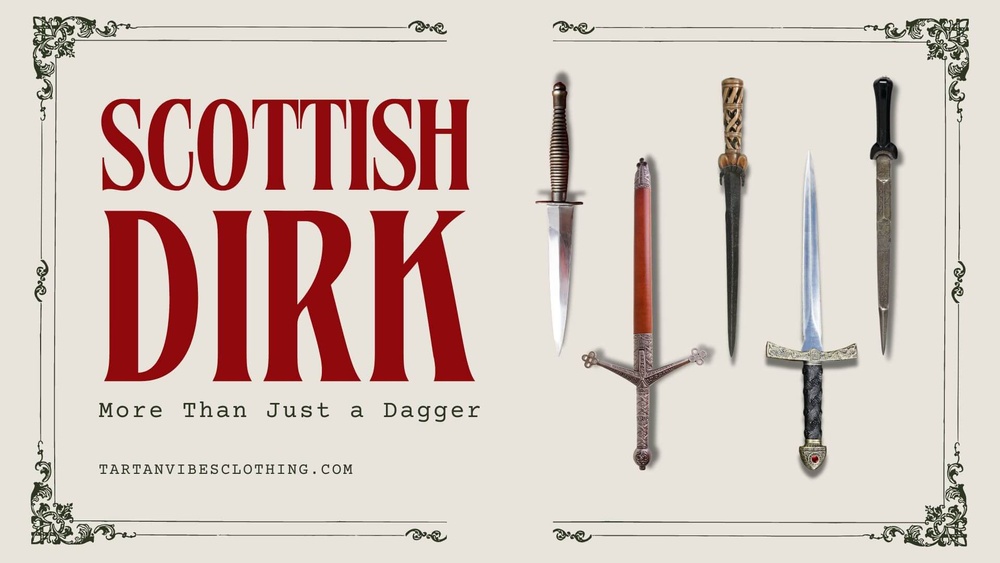
The clash between dirk and dagger is more than just a matter of semantics or historical curiosity. It’s a window into centuries of evolving martial arts, craftsmanship, symbolism, and utility. Whether you’re a historian, a fantasy writer, a martial artist, or simply fascinated by edged weapons, understanding the nuances between these two iconic blades can reshape your appreciation of weaponry. Their differences, sometimes subtle, sometimes dramatic, have shaped battles, personal defense techniques, and even cultural identities.
From the windswept decks of Renaissance-era ships to the shadowy alleys of medieval cities, both dirks and daggers served critical, yet distinctly different, roles. Today, collectors and enthusiasts still debate their merits, while pop culture continues to blur the lines between them. This article provides an authoritative deep dive into the dirk vs dagger debate, exploring their unique histories, functions, forms, and legacies through data, real-world examples, and expert insight.
Key Takeaways
- Dirks and daggers are both short-bladed weapons but differ significantly in origin, design, and typical use.
- Dirks are closely associated with Scottish heritage and naval officers, while daggers have a broader, more ancient lineage.
- The construction, blade shape, and fighting styles for each weapon highlight their unique characteristics.
- Historical and modern uses of both weapons reveal their adaptability and cultural significance.
- Collectors, martial artists, and writers benefit from understanding the nuances between dirks and daggers.
- Real-world examples and data-driven comparisons illustrate the practical and symbolic differences between these two blades.

Credit: knifeup.com
The Origins And Historical Context
Understanding the dirk and dagger requires tracing their roots through history, uncovering the social and military forces that shaped their development.
The Dirk: A Symbol Of Scottish And Naval Heritage
The dirk is most famously tied to Scottish Highland culture, where it evolved from the earlier “ballock dagger” and became a core part of a Highlander’s dress. By the 17th and 18th centuries, the dirk had become both a weapon and a status symbol. It was not just a tool of war but a badge of honor, often ornately decorated, passed down through generations, and imbued with family pride.
Scottish regiments incorporated the dirk into their uniforms well into the 19th century. Meanwhile, the naval dirk became a mark of rank for midshipmen and officers in the British and Russian navies. These versions were lighter, slimmer, and designed for dueling or ceremonial purposes rather than brutal combat.
The Dagger: An Ancient, Universal Blade
The dagger predates the dirk by millennia. Archaeological finds reveal that double-edged daggers were used as early as the Bronze Age, appearing independently in cultures across Europe, Asia, and Africa. Unlike the dirk, the dagger’s form and function adapted to countless needs:
- Assassination: Concealable and deadly, daggers were favored for stealth attacks.
- Ritual: Some daggers bore symbolic or religious significance, such as the Kris in Southeast Asia.
- Combat: Used as a backup weapon or in close-quarters fighting, daggers were often carried by soldiers and civilians alike.
Parallel Evolutions
While the dirk is essentially a regional and period-specific evolution, the dagger is a universal archetype. Both saw use in personal defense, but their design choices and cultural associations diverged sharply by the early modern era.

Credit: www.reddit.com
Anatomy And Design Differences
A close examination of the construction and appearance of dirks and daggers reveals the core differences that define each weapon.
Blade Shape And Length
Dirks typically feature a single-edged, straight blade, often ranging from 10 to 20 inches in length. Traditional Scottish dirks are easily recognized by their long, slender profile and sometimes a slight curve. Modern ceremonial dirks may be even longer.
Daggers, by contrast, almost always have a double-edged blade designed for thrusting. Their lengths vary widely, from tiny boot daggers to the medieval “baselard” or “bollock” daggers approaching short sword dimensions. The symmetry of the dagger blade is one of its defining features.
Hilt Construction
Dirks usually have a simple, cylindrical hilt, often made from wood, horn, or precious metals, and frequently adorned with clan symbols or intricate carvings. The pommel may be rounded or faceted. Naval dirks sometimes display elaborate guards and decorative elements befitting an officer’s status.
Daggers tend to have a crossguard to protect the hand, with hilts designed for a secure grip during thrusting. The materials range from utilitarian (bone, wood) to luxurious (ivory, gold inlay).
Sheath And Carry
Dirks are most often worn on the right hip, traditionally tucked into the belt or attached to a baldric. Their sheaths are typically leather, sometimes with metal fittings.
Daggers, due to their variety, could be carried at the waist, boot, or even in the sleeve. Their sheaths are equally diverse, reflecting the weapon’s intended use and social context.
| Feature | Dirk | Dagger |
|---|---|---|
| Blade Type | Single-edged, straight | Double-edged, symmetrical |
| Length | 10, 20 inches | 6, 18 inches (varies widely) |
| Hilt Style | Cylindrical, often ornate | Crossguard, ergonomic |
| Cultural Association | Scottish, Naval | Universal, ancient |
| Typical Use | Ceremonial, backup weapon | Combat, assassination, ritual |
Example: The Black Watch Dirk
One famous example is the Black Watch dirk, a ceremonial weapon still worn by members of the Royal Regiment of Scotland. Its blade is longer than most daggers, its hilt capped with a silver pommel, and the sheath embellished with regimental insignia. This dirk is both a weapon and a living piece of tradition.
Combat Styles And Practical Uses
How dirks and daggers were wielded in battle is as revealing as their physical differences.
The Dirk In Scottish And Naval Combat
The Scottish dirk was typically used as a sidearm in conjunction with the broadsword or targe (shield). In close combat, Highlanders would parry with the sword and deliver a finishing thrust with the dirk. The length and weight of the dirk made it effective for slashing as well as stabbing, providing versatility on the battlefield.
Naval officers, on the other hand, used the dirk primarily as a status symbol and for personal defense. In duels or brawls aboard ships, the dirk’s reach and rigidity allowed for quick, lethal strikes.
The Dagger: From Assassin’s Tool To Battlefield Necessity
Daggers were indispensable in situations where a longer weapon was impractical. Their double-edged design made them ideal for thrusting between the gaps of armor or into vital organs. Medieval knights often used daggers to deliver the coup de grâce to fallen foes.
In the Renaissance, the parrying dagger (main gauche) became popular among duelists, paired with a rapier to catch and deflect enemy blades. Across Asia and the Middle East, daggers like the Khanjar or Jambiya served both martial and ceremonial roles.
Example: The Main Gauche
The main gauche is a classic example of a specialized dagger developed for the left hand (hence the French name). Used in fencing, it featured a wide, often ornate guard, and was essential for parrying and trapping an opponent’s sword.
Civilian And Modern Uses
While dirks gradually lost their battlefield relevance, they found a new life in ceremonial and dress contexts, particularly in Scottish culture. Daggers, meanwhile, adapted to new forms: the trench knives of World War I, the Fairbairn-Sykes fighting knife of World War II, and countless modern tactical knives all draw from the dagger lineage.

Credit: www.reddit.com
Symbolism And Cultural Impact
The dirk and dagger both carry powerful symbolic weight, often transcending their practical use.
The Dirk As A Cultural Icon
The dirk is inextricably linked to Scottish identity. It features in Highland dress, military regalia, and even literature, immortalized in poems and songs. The dirk’s presence in ceremonies, weddings, and parades cements its role as more than just a weapon.
The naval dirk likewise became a symbol of honor and rank. In Russia, the naval dirk is still awarded to graduating officers, signifying both achievement and responsibility.
The Dagger As A Universal Motif
The dagger’s image is found on ancient coins, coats of arms, and religious iconography. Its shape suggests danger and intimacy, violence at close quarters. In literature and art, the dagger often represents betrayal (as in the phrase “dagger in the back”) or resolve.
Some daggers, like the Kris, are believed to possess spiritual power. Others, such as the Roman pugio, carried political significance; Julius Caesar was famously assassinated with daggers.
Pop Culture And The Blurring Of Lines
Modern movies, games, and books often use “dirk” and “dagger” interchangeably, muddying the historical distinctions. However, discerning enthusiasts and collectors still value the precise terminology and legacy of each blade.
Collecting, Craftsmanship, And Market Trends
The world of edged weapon collecting is vast, with dirks and daggers occupying prominent niches. Understanding market trends, craftsmanship, and valuation is essential for enthusiasts and investors alike.
Collecting Dirks
Scottish dirks, especially antique specimens with provenance, command high prices at auction. Features that increase value include:
- Clan-associated engravings
- Precious metal fittings
- Original scabbards
- Documented military or historical use
Naval dirks from the 18th and 19th centuries are also highly sought after, with Russian naval dirks enjoying strong demand due to their continued ceremonial use.
Dagger Collectibles
The diversity of daggers offers a broader collecting field. Certain types are especially desirable:
- Medieval and Renaissance daggers with intact hilts and blades
- Ritual daggers such as Kris with documented origins
- Military daggers from the World Wars
Condition, rarity, and documentation are key value drivers. Provenance, especially a connection to historical events or figures, can multiply prices.
The Modern Market
According to Bonhams Arms & Armor, the auction value of a genuine 18th-century Scottish dirk can range from $3,000 to over $20,000, depending on condition and provenance. High-quality replica dirks and daggers also command strong prices among reenactors and collectors.
Example: The Fairbairn-sykes Dagger
The Fairbairn-Sykes fighting knife, developed during World War II for British commandos, is a modern incarnation of the dagger. Authentic wartime examples are highly collectible, with some fetching over $1,500 at auction when accompanied by documentation.
| Weapon Type | Average Auction Price | Key Collectible Features |
|---|---|---|
| Scottish Dirk (18th c.) | $3,000, $20,000 | Clan crest, original scabbard |
| Naval Dirk (19th c.) | $2,000, $8,000 | Engravings, officer provenance |
| Medieval Dagger | $1,500, $10,000 | Period authenticity, intact blade |
| Fairbairn-Sykes Dagger | $1,000, $2,000 | Wartime issue, original sheath |
Craftsmanship And Modern Reproductions
Today’s master bladesmiths recreate historical dirks and daggers using traditional methods. Modern techniques, such as pattern welding and advanced metallurgy, produce blades that rival or exceed the originals in quality. Reenactors, martial artists, and collectors often commission custom pieces tailored to historical accuracy or personal taste.
Pro Tip: When collecting, always request detailed provenance and expert authentication to avoid the growing market of forgeries and misattributed blades.
Legal Considerations And Modern Usage
The legal status and practical use of dirks and daggers vary widely across jurisdictions and cultures. For enthusiasts, martial artists, or anyone interested in owning or carrying these blades, understanding the law is essential.
Legal Status Around The World
In the United States, the legal definition of a dirk or dagger depends on state law. For example:
- California defines a dirk or dagger as any knife capable of ready use as a stabbing weapon, and restricts concealed carry (California Penal Code Section 21310).
- Texas allows the open carry of most knives, including dirks and daggers, but restricts possession in certain locations (schools, government buildings).
In the United Kingdom, dirks and daggers are classified as offensive weapons, with strict restrictions on carry and ownership, especially for double-edged blades. Exceptions are made for ceremonial use, such as the sgian-dubh worn with Highland dress.
Certain countries, like Japan, have blanket bans on double-edged knives unless they are antiques or collectibles.
Modern Martial Arts And Self-defense
While neither dirks nor traditional daggers are common for self-defense today, modern tactical knives, many inspired by historical daggers, are popular among military and law enforcement professionals. Training in knife defense often references dagger techniques due to their relevance for close-quarters combat.
Example: Sgian Dubh In Scottish Dress
A related blade, the sgian-dubh, is legally permitted in Scotland as part of traditional Highland dress. Worn tucked into the sock, this small knife is an important symbol but must be blunted for public wear to comply with modern law.
Transport, Display, And Collection Laws
Collectors should be aware of regulations regarding the transport and display of dirks and daggers, particularly when crossing international borders. Museums and auction houses must comply with export/import restrictions and provide proper documentation.
For the most current legal guidance, always consult a qualified attorney or local law enforcement.
Real-world Applications And Case Studies
The debate over dirk vs dagger is not just academic. Both weapons have seen action in pivotal moments and continue to influence design and practice.
Case Study 1: The Battle Of Culloden (1746)
During the final Jacobite uprising, Highlanders armed with broadswords and dirks faced off against British troops. The dirk was crucial in the close fighting that followed failed charges, with accounts describing Highlanders using their dirks to deadly effect after losing their swords.
The aftermath cemented the dirk’s place in Scottish lore.
Case Study 2: World War Ii Commandos
The Fairbairn-Sykes fighting knife, a direct descendant of the traditional dagger, was carried by British commandos and allied special forces. Its double-edged blade was ideal for silent kills and close-quarters combat. Veterans credit the weapon with saving lives and shaping modern knife combat doctrine.
Example: Modern Martial Arts Training
In my experience training with historical European martial arts (HEMA) groups, the differences in blade design directly influence technique. The longer, single-edged dirk favors slashing and hooking maneuvers, while the symmetrical dagger excels at thrusts and reverse grips. Proper knowledge of these differences enhances effectiveness in drills and sparring.
Comparative Analysis Table
| Aspect | Dirk | Dagger |
|---|---|---|
| Primary Attack | Slashing and thrusting | Thrusting |
| Defensive Use | Parrying with targe | Parrying, trapping blade |
| Typical Carriers | Scottish Highlanders, naval officers | Soldiers, assassins, civilians |
| Modern Usage | Ceremonial, collecting | Martial arts, tactical knives |
Frequently Asked Questions
What Is The Main Difference Between A Dirk And A Dagger?
The primary difference lies in blade design and cultural association. A dirk is usually a single-edged, straight blade linked to Scottish and naval traditions, while a dagger is double-edged, symmetrical, and found across many cultures. Daggers are optimized for thrusting, while dirks can be used for both slashing and thrusting.
Are Dirks And Daggers Legal To Own Or Carry?
Laws vary by country and state. In the US, some states restrict the concealed carry of dirks and daggers, and in the UK, double-edged blades are heavily regulated. Antique or ceremonial dirks are sometimes exempt. Always consult local laws or a legal expert for up-to-date guidance.
Can I Use A Dirk Or Dagger For Modern Self-defense?
While possible, most experts recommend modern tactical knives for self-defense due to their ergonomic designs and legal clarity. Historical dirks and daggers are better suited for collection, reenactment, or display. Training with replicas in martial arts settings is common.
How Do I Identify An Authentic Antique Dirk Or Dagger?
Look for hallmarks, maker’s marks, and stylistic features typical of the period. Provenance documents, expert appraisals, and comparisons to museum pieces can help. Beware of forgeries; consult reputable dealers and auction houses. The Metropolitan Museum of Art offers extensive reference materials.
Why Are Dirks And Daggers Still Popular In Pop Culture?
Their dramatic appearance, historical associations, and symbolic meanings make them favorites in movies, games, and literature. The contrast between the two also provides writers and designers with rich material for character development and plot devices.
The distinctions between dirks and daggers reach far beyond simple definitions. Each blade carries a story shaped by centuries of warfare, ceremony, and artistry. Whether admired for their craftsmanship, studied for their historical significance, or wielded in controlled martial arts practice, both weapons remain enduring icons of the human experience with edged arms.
For collectors, martial artists, and cultural historians, understanding these differences is not just a matter of accuracy, it’s a way to engage deeply with the legacy of a fascinating, ever-evolving tradition.
