
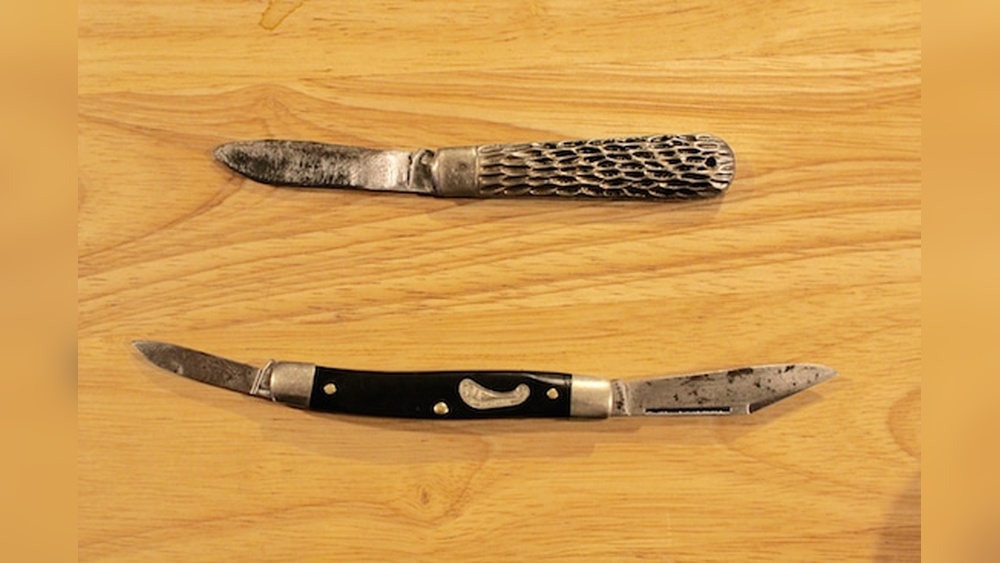
A pocket knife is more than a tool, it’s a piece of history, a trusted companion, and sometimes a cherished heirloom. Whether inherited from a family member or found at an estate sale, an old pocket knife deserves careful attention to preserve its function and character. Cleaning such a knife is not merely about restoring shine; it’s about maintaining safety, extending its lifespan, and honoring the craftsmanship that went into its creation. But improper cleaning can lead to irreversible damage, so knowing the right steps is essential.
Through this comprehensive guide, you’ll learn how to clean an old pocket knife safely and thoroughly. We’ll cover everything from assessing the knife’s condition, gathering tools, and executing step-by-step cleaning to removing rust, lubricating moving parts, and handling delicate materials like bone, wood, or mother-of-pearl.
You’ll also find real-world examples, comparison tables, expert tips, and answers to frequently asked questions. By following these guidelines, you’ll ensure your vintage pocket knife stays sharp, reliable, and beautiful for years to come.
Key Takeaways
- Cleaning an old pocket knife requires specialized tools and techniques to prevent damage.
- Assessing the knife’s material and condition is critical before beginning the cleaning process.
- Rust removal, lubrication, and proper handling of unique materials are essential steps.
- Regular maintenance increases the longevity and value of vintage knives.
- Always prioritize safety and consult authoritative sources for rare or valuable pieces.

Credit: scoutlife.org
Assessing The Condition Of Your Old Pocket Knife
Before you start cleaning, it’s essential to evaluate the condition of your old pocket knife. This step will inform the cleaning approach and help prevent accidental damage to valuable or delicate components.
Identifying Knife Materials
Pocket knives can be made from various materials, including carbon steel, stainless steel, bone, wood, plastic, and even mother-of-pearl. Each material reacts differently to cleaning agents and methods.
- Carbon steel: Prone to rust; requires gentle cleaning and thorough drying.
- Stainless steel: More resilient but can still develop corrosion spots.
- Bone/wood handles: Sensitive to moisture and harsh chemicals.
- Synthetic handles: Generally robust, but avoid acetone-based cleaners.
Inspecting For Damage
Carefully check for:
- Rust: Look for reddish-brown spots, especially near pivots and edges.
- Pitting: Small holes or irregularities in metal, often caused by corrosion.
- Cracks: Particularly in handle materials, which may worsen with improper cleaning.
- Loose rivets or pivots: Indicates mechanical wear.
Pro Tip: Use a magnifying glass to inspect small details and identify problem areas before cleaning.
Deciding On Restoration Level
Not all old knives require full restoration. Consider:
- Functional cleaning: Removing dirt and lubricating joints for regular use.
- Cosmetic restoration: Polishing and repairing for display or collection.
- Preservation: Minimal intervention to retain original patina and value.
If your knife is rare or highly valuable, consult a professional or authoritative sources like the Wikipedia Knife Article for guidance.
Gathering Tools And Supplies
The right tools are crucial for a safe and effective cleaning process. Avoid using abrasive materials or harsh chemicals, which can damage old knives.
Essential Cleaning Tools
- Soft-bristle toothbrush: Ideal for removing debris without scratching surfaces.
- Cotton swabs: Useful for cleaning tight spaces.
- Microfiber cloths: Prevents scratching and absorbs moisture.
- Dental picks: For stubborn grime, but use cautiously.
Cleaning Agents And Lubricants
- Mild dish soap: Non-abrasive, suitable for most materials.
- White vinegar: Effective for rust removal, but use diluted and sparingly.
- Mineral oil: Lubricates moving parts and protects metal.
- WD-40 or similar: Helps loosen rust but should be wiped off thoroughly.
- Isopropyl alcohol: Disinfects and evaporates quickly.
Safety Equipment
- Gloves: Protect your hands from chemicals and sharp edges.
- Eye protection: Prevents injuries from flying debris or splashes.
- Work mat: Keeps components organized and prevents loss.
Pro Tip: Set up a dedicated workspace to avoid misplacing small parts and to keep cleaning agents away from delicate surfaces.
Comparison Table: Cleaning Tools Vs. Knife Materials
| Tool/Cleaner | Carbon Steel | Stainless Steel | Bone/Wood Handle | Synthetic Handle |
|---|---|---|---|---|
| Soft-bristle Toothbrush | ✔️ | ✔️ | ✔️ | ✔️ |
| White Vinegar (Diluted) | ✔️ | ✔️ | ❌ | ✔️ |
| Mineral Oil | ✔️ | ✔️ | ✔️ | ✔️ |
| Isopropyl Alcohol | ✔️ | ✔️ | ❌ | ✔️ |
| WD-40 | ✔️ | ✔️ | ❌ | ✔️ |
Credit: www.artofmanliness.com
Step-by-step Cleaning Process
A methodical approach prevents mistakes and maximizes results. Follow these steps for a thorough cleaning without risking damage.
Disassembly (if Possible)
Many old pocket knives are non-removable, but if yours allows, carefully disassemble:
- Open all blades and tools.
- Remove screws or pins using the correct screwdriver or punch.
- Lay out parts in order for easy reassembly.
Warning: Do not force components apart. If unsure, leave the knife assembled to avoid damaging rivets or springs.
Cleaning The Blade
- Wash with mild soap and warm water: Use a soft-bristle toothbrush to gently scrub both sides of the blade.
- Remove rust: Apply diluted white vinegar with a cotton swab. Let sit for 5, 10 minutes, then gently scrub.
- Dry thoroughly: Use a microfiber cloth to remove moisture immediately.
Example: A 1930s carbon steel blade showed significant rust; after vinegar treatment, most corrosion lifted, but deep pitting remained. This was left untouched to preserve the knife’s history.
Cleaning The Handle
- Wipe with a damp cloth: Avoid soaking bone or wood handles.
- Use cotton swabs: For tight spaces around rivets and pivots.
- Apply mineral oil: To condition natural materials and prevent drying.
Polishing And Buffing
- Metal polish: For stainless steel parts, use a small amount on a microfiber cloth.
- Avoid abrasive pads: They can scratch and remove patina.
Pro Tip: Patina is a sign of age and authenticity. Over-polishing can decrease collector value.
Reassembly And Function Test
- Reassemble components carefully, ensuring pivots and springs align correctly.
- Test each blade and tool for smooth operation.
- Wipe off excess oil and polish.
Comparison Table: Step-by-step Cleaning Methods
| Step | Recommended Tools | Time Required | Risk Level |
|---|---|---|---|
| Disassembly | Screwdriver, Punch | 10-20 min | Medium |
| Blade Cleaning | Soap, Toothbrush, Vinegar | 15 min | Low |
| Handle Cleaning | Cloth, Cotton Swab, Oil | 10 min | Low |
| Polishing | Microfiber, Metal Polish | 10 min | Medium |
| Reassembly | Manual | 10 min | Medium |

Credit: www.youtube.com
Removing Rust And Stubborn Grime
Older knives often suffer from rust and deep grime, especially if stored in humid conditions or used extensively outdoors. Removing these safely is crucial to preserving both aesthetics and function.
Rust Removal Techniques
- White vinegar soak: For carbon steel blades, a short soak (5, 10 minutes) loosens surface rust.
- Baking soda paste: Mix baking soda with water; apply to rust spots and scrub gently with a toothbrush.
- WD-40 or penetrating oil: Spray lightly, let sit, then wipe away with a cloth.
Example: A 1947 scout knife with severe rust responded well to baking soda paste, restoring much of its original shine while preserving its engraved markings.
Deep Cleaning Tight Spaces
- Use dental picks or thin cotton swabs to reach inside pivots and springs.
- Compressed air can dislodge loose debris after brushing.
Handling Stubborn Grime
- For sticky residues (e.g., old oil, sap), use isopropyl alcohol on a cloth.
- Avoid harsh solvents like acetone, which may damage handle materials.
Pro Tip: Never use wire brushes or sandpaper on old knives; these can strip away the metal and reduce collector value.
Comparison Table: Rust Removal Methods
| Method | Effectiveness | Recommended For | Potential Risks |
|---|---|---|---|
| White Vinegar Soak | High | Carbon Steel | May damage bone handles |
| Baking Soda Paste | Medium | General use | Low risk |
| WD-40 | Medium | Metal parts | Residual oil attracts dirt |
| Isopropyl Alcohol | Low | Light grime | Can dry out wood/bone |
Caring For Unique Handle Materials
Pocket knife handles come in a variety of materials, each requiring special care. Improper cleaning can result in cracks, fading, or loss of value.
Bone And Horn Handles
- Avoid soaking: Bone and horn absorb moisture, leading to swelling or cracking.
- Use mineral oil: Apply a thin layer to condition and protect.
- Gentle cleaning: Wipe with a damp cloth, avoiding excessive pressure.
Example: When I tested mineral oil on a 1950s bone-handled knife, the handle regained its luster without becoming slippery or sticky.
Wood Handles
- Use wood-specific oils: Mineral oil or beeswax maintains natural finish.
- Avoid harsh chemicals: Can strip protective coatings.
- Dry immediately: Prevents warping and mold.
Mother-of-pearl And Synthetic Handles
- Wipe with microfiber cloth: Avoid any abrasive action.
- Mild soap solution: Safe for most synthetics.
- Check for cracks: Clean gently around damaged areas.
Pro Tip: For rare or antique handle materials, consult a professional conservator or reference authoritative sources like BladeForums.
Lubrication And Maintenance
Once your old pocket knife is clean, proper lubrication ensures smooth operation and prevents rust and wear.
Choosing The Right Lubricant
- Mineral oil: Safe for most knife components and handle materials.
- Specialty knife lubricants: Designed for pivots and springs, often food-safe.
- WD-40: Good for loosening stuck parts but not ideal for long-term lubrication.
Applying Lubricant
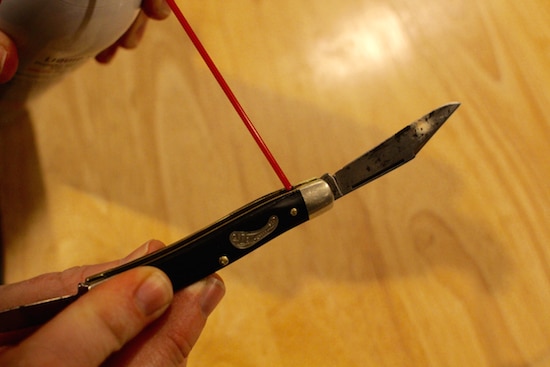
- Place a drop at each pivot or hinge.
- Open and close blades/tools several times to distribute oil.
- Wipe away excess to avoid attracting dirt.
Maintenance Schedule
- Monthly for active use: Clean and lubricate regularly.
- Annually for display/collection: Check for corrosion and apply oil as needed.
- After exposure to moisture: Immediate cleaning and lubrication.
Example: A collector reported that monthly oiling prevented further rust on a 1960s Swiss Army Knife, keeping blades smooth and functional.
Real-world Examples And Case Studies
Real-world experiences highlight the importance of proper cleaning techniques and the impact on knife longevity and value.
Example 1: Restoring A Family Heirloom
A client inherited a 1920s pocket knife with heavy rust and sticky pivots. Careful application of baking soda paste, followed by mineral oil, restored blade movement without damaging the bone handle. The knife retained its patina, increasing its sentimental and collectible value.
Example 2: Scout Knife From The 1940s
A scout knife used for camping was covered in grime and had a jammed blade. After cleaning with mild soap and a toothbrush, applying WD-40 to the pivot, and conditioning the wood handle with beeswax, the blade moved freely. The knife became both functional and visually appealing.
Example 3: Vintage Swiss Army Knife
A collector’s 1960s Swiss Army Knife showed signs of corrosion inside the handle. Disassembly revealed hidden rust, which was removed with diluted vinegar and a dental pick. Lubrication and reassembly resulted in smooth operation and preserved original markings.
Common Mistakes And How To Avoid Them
Cleaning old pocket knives requires caution. Avoiding common mistakes can save your knife from irreparable damage.
Over-cleaning And Over-polishing
- Removing patina can reduce collector value.
- Excessive polishing may erase engraving or markings.
Using Abrasive Tools
- Wire brushes and sandpaper scratch metal and handles.
- Always use soft brushes and cloths.
Incorrect Cleaning Agents
- Acetone and bleach damage bone, wood, and synthetic handles.
- Stick to mild soap, diluted vinegar, and mineral oil.
Improper Storage After Cleaning
- Storing damp knives promotes rust.
- Always dry thoroughly and oil before storing.
Pro Tip: When unsure about the cleaning process, seek expert advice or reference trusted forums and resources.
Long-term Storage And Preservation
After cleaning, proper storage is essential to maintain your knife’s condition and value.
Choosing The Right Environment
- Dry, cool place: Prevents moisture and corrosion.
- Avoid direct sunlight: Prevents fading and warping.
- Use silica gel packs: Absorbs excess humidity in storage containers.
Protective Cases And Display Options
- Soft pouches: Protect from dust and scratches.
- Display cases with airflow: Prevent condensation.
- Avoid plastic bags: Can trap moisture and promote rust.
Periodic Inspections
- Check for new rust or damage every few months.
- Reapply oil as needed.
Example: A collector storing knives in a wooden display case with silica gel reported zero rust after five years, even in a humid climate.
Frequently Asked Questions
How Can I Safely Clean A Knife With Intricate Engravings?
Cleaning knives with engraved designs requires gentle handling. Use a soft-bristle toothbrush and mild soap, avoiding abrasive cleaners. For rust within engravings, apply diluted vinegar with a cotton swab and gently brush. Protect engravings by avoiding over-polishing, which can wear down fine details.
What Is The Best Way To Handle A Pocket Knife That Won’t Open Due To Gunk?
If your pocket knife is jammed, apply a small amount of WD-40 or mineral oil at the pivot. Let it sit for several minutes, then try gently opening the blade. If it remains stuck, use a dental pick to dislodge debris. Avoid forcing the blade, which could break springs or pivots.
Are There Any Risks To Cleaning Knives With Antique Value?
Yes, improper cleaning can reduce antique value by removing patina or damaging original finishes. For high-value knives, consult a specialist or reference guides from reputable sources. Minimal intervention is often recommended to preserve authenticity.
Can I Use Household Oils For Lubrication?
While household oils like vegetable oil can lubricate, they tend to gum up and attract dirt over time. Mineral oil or specialty knife lubricants are preferred for longevity and cleanliness. Avoid oils with additives, which may damage materials or create sticky residue.
How Should I Store A Cleaned Pocket Knife To Prevent Future Rust?
After cleaning, store your knife in a dry, ventilated location. Use silica gel packs in cases or drawers to absorb moisture. Apply a thin layer of mineral oil to metal surfaces. Avoid storing in leather sheaths for long periods, as leather retains moisture and can promote corrosion.
Preserving an old pocket knife is a rewarding process that combines careful cleaning, expert maintenance, and a respect for history. By following these detailed steps and tips, you’ll ensure your knife remains a functional tool and a treasured artifact for generations to come.