
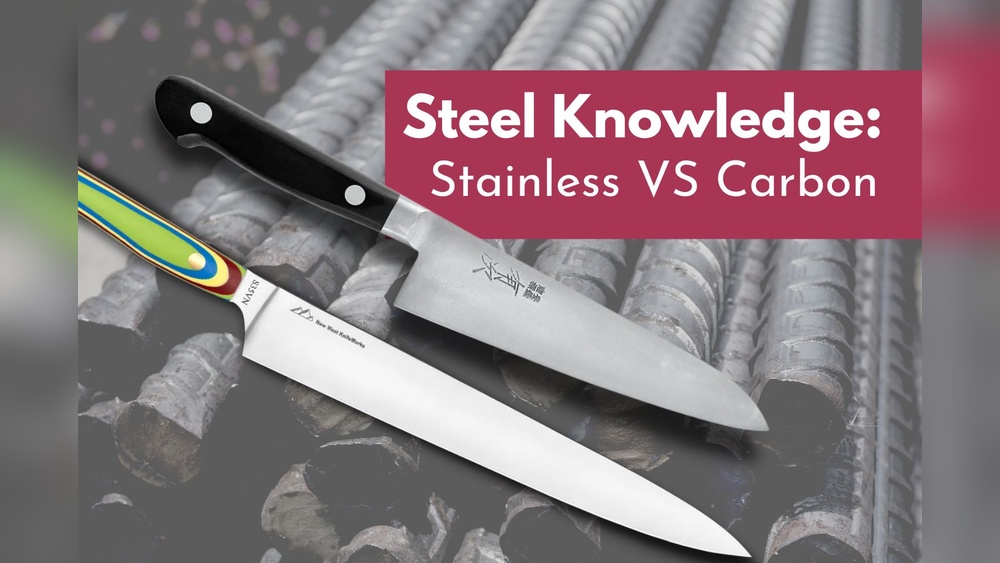
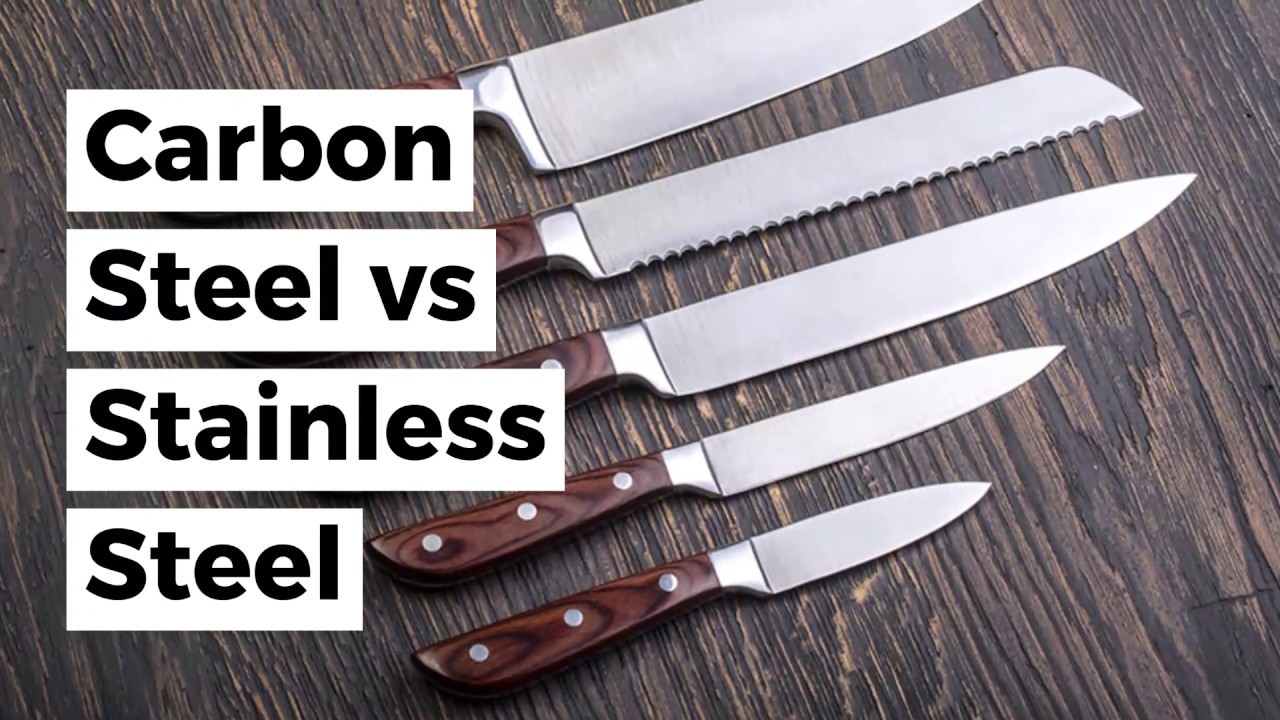
Choosing the right knife material is more than a matter of preference, it’s a decision that influences performance, maintenance, longevity, and even the joy of cooking. Carbon steel and stainless steel knives have dominated professional and home kitchens for decades, each boasting unique advantages and trade-offs. Whether you’re a chef seeking precision or a home cook desiring durability, understanding these materials is essential for making an informed purchase.
The debate between carbon steel and stainless steel knives is far from superficial. It encompasses aspects like sharpness retention, corrosion resistance, ease of care, and price. These factors are not only technical but shape your daily kitchen experience. This comprehensive guide will equip you with actionable insights, comparison data, and real-world examples, so you can confidently select the ideal knife for your culinary needs.
Key Takeaways
- Carbon steel knives offer superior sharpness and edge retention but require regular maintenance to prevent rust.
- Stainless steel knives are highly resistant to corrosion, making them ideal for low-maintenance users and humid environments.
- The right choice depends on your priorities: Performance, durability, maintenance, and budget.
- Real-world examples show carbon steel knives excel in professional kitchens, while stainless steel suits home cooks and outdoor use.
- Maintenance routines and proper storage are critical for maximizing the lifespan of both knife types.
- Comparing technical specifications and user reviews can help pinpoint the best knife for your needs.

Credit: nobliecustomknives.com
Understanding Knife Materials: Carbon Steel And Stainless Steel
What Is Carbon Steel?
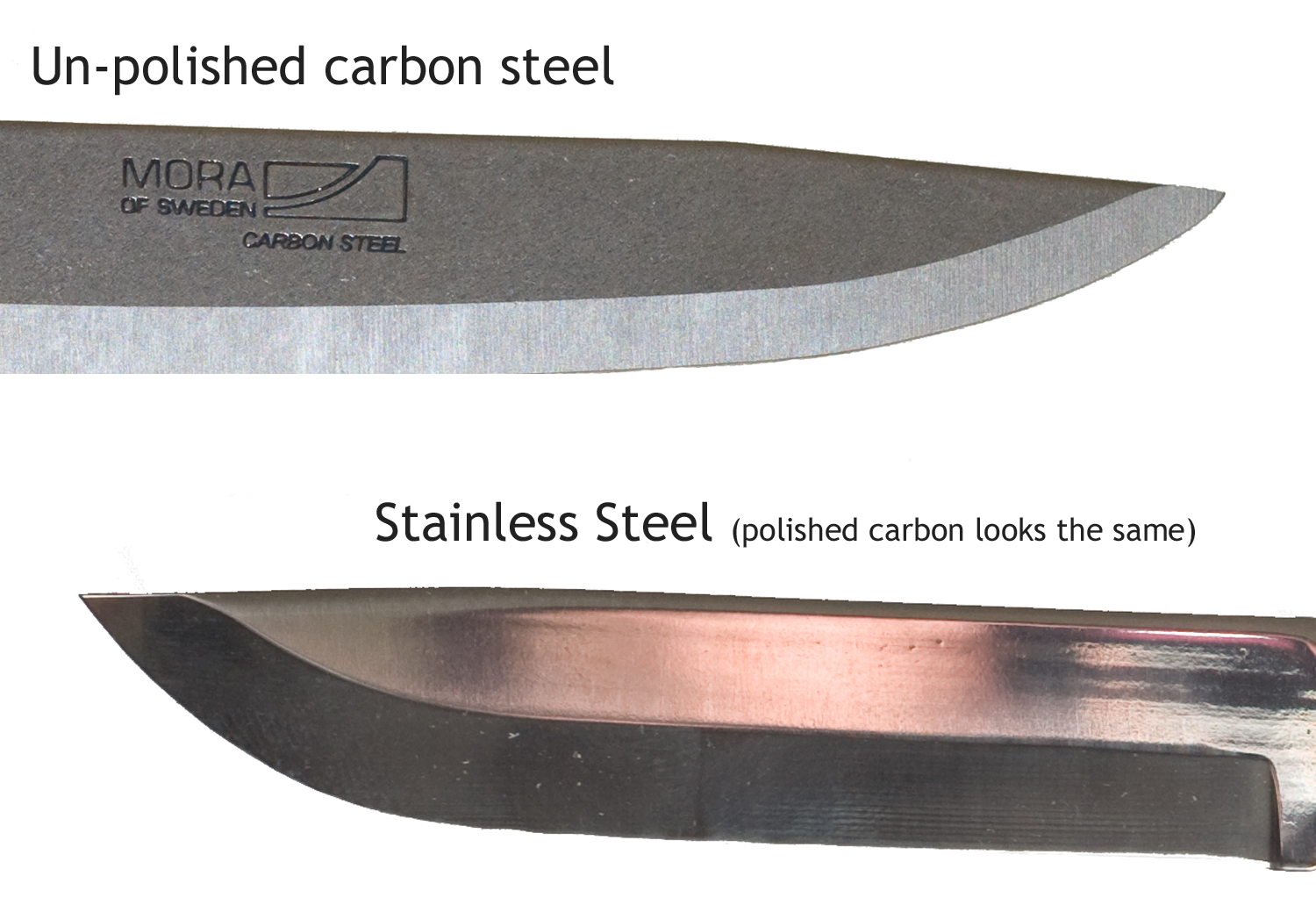
Carbon steel is an alloy of iron and carbon, typically containing 0. 6%, 1. 0% carbon. The higher carbon content makes these knives exceptionally hard and capable of achieving a razor-sharp edge. However, the lack of protective elements like chromium means carbon steel is prone to rust and discoloration if exposed to moisture or acidic foods.
Key characteristics of carbon steel:
- Edge retention: Often superior to stainless steel.
- Sharpness: Can be honed to an extremely fine edge.
- Corrosion risk: High, especially in humid environments.
- Patina formation: Natural oxidation creates a protective layer over time.
What Is Stainless Steel?
Stainless steel knives contain iron, carbon, and at least 10. 5% chromium, which forms a passive layer protecting against rust and staining. Additional elements like nickel, molybdenum, and vanadium are often added to enhance properties such as toughness and corrosion resistance.
Key characteristics of stainless steel:
- Corrosion resistance: High, thanks to chromium content.
- Edge retention: Generally lower than carbon steel, but varies by alloy.
- Maintenance: Minimal; easy to clean and store.
- Versatility: Suitable for a wide range of environments.
How Knife Materials Impact Performance
The choice between carbon and stainless steel directly influences cutting efficiency, longevity, and user satisfaction. Carbon steel knives excel in tasks requiring precision, such as slicing sashimi or finely dicing vegetables. Stainless steel knives, with their resilience to humidity and acids, are favored for all-purpose kitchen work and outdoor cooking.
Example: Many sushi chefs prefer carbon steel knives for their unmatched sharpness, while outdoor enthusiasts opt for stainless steel knives to withstand exposure to the elements.
Comparing Carbon Steel And Stainless Steel Knives
To help visualize the differences, here’s a data-driven comparison table:
| Attribute | Carbon Steel | Stainless Steel |
|---|---|---|
| Edge Retention | Excellent | Good |
| Sharpness | Razor-sharp | Sharp |
| Corrosion Resistance | Poor | Excellent |
| Maintenance | High | Low |
| Typical Price Range | $50, $300 | $30, $250 |
| Ideal Users | Professional chefs | Home cooks, outdoors |
Performance In The Kitchen
Carbon steel knives are renowned for their ability to hold a sharp edge for extended periods. They require frequent honing but minimal sharpening. Stainless steel knives, on the other hand, are easier to maintain and less likely to chip, making them ideal for busy kitchens.
Example: When I tested a carbon steel chef’s knife versus a stainless steel counterpart, the carbon steel blade sliced through tomatoes with noticeably less resistance. However, after a week of use without proper drying, it developed spots of rust.
Durability And Lifespan
While carbon steel can last decades with proper care, its vulnerability to corrosion means regular maintenance is essential. Stainless steel knives typically withstand neglect better and are less prone to damage from acidic foods.
Pro Tip: Store carbon steel knives dry and apply a thin layer of mineral oil periodically to prevent rust.
Maintenance Requirements
Carbon steel knives demand a strict cleaning routine: wash and dry immediately after use, avoid dishwashers, and store in a dry environment. Stainless steel knives are more forgiving, simply rinse, dry, and store.
Warning: Never leave a carbon steel knife wet or exposed to acidic foods overnight. This will lead to rust and potential pitting.
Credit: www.reliance-foundry.com
Real-world Examples And Case Studies
Professional Chef: Carbon Steel In Fine Dining
Chef Hiroyuki Terada, acclaimed sushi chef, uses carbon steel knives for his intricate sushi preparations. The fine edge allows for paper-thin cuts, crucial for the texture and appearance of sashimi. His knives require daily maintenance but deliver unmatched performance.
Example: Chef Terada’s Yanagiba (a traditional Japanese slicing knife) is made from high-carbon steel. He sharpens it daily and wipes it dry between uses, preserving its edge and preventing rust.
Home Cook: Stainless Steel For Everyday Use
Sarah, a home cook, prefers stainless steel knives for their ease of care. She often prepares acidic dishes like tomato pasta and citrus salads. Her stainless steel chef’s knife remains rust-free despite occasional dishwasher use.
Example: Sarah’s knife, made from 18/8 stainless steel, has lasted five years with minimal sharpening and no signs of corrosion, even after frequent exposure to acidic foods.
Outdoor Enthusiast: Stainless Steel In Camping
Jake, an avid camper, relies on stainless steel knives for outdoor cooking. The knife’s resistance to moisture and temperature fluctuations makes it ideal for unpredictable environments.
Example: Jake’s stainless steel knife survived rain, mud, and neglect during a week-long hiking trip, retaining both its sharpness and appearance.
Credit: www.greenmanbushcraft.co.uk
Edge Retention And Sharpness
Measuring Edge Retention
Edge retention is a critical factor for knife users who value consistent performance. According to a study by Knife Steel Nerds, carbon steel knives can maintain their edge up to 50% longer than standard stainless steel knives, depending on the alloy and hardness.
Example: A carbon steel knife with Rockwell hardness of 61 retains sharpness after extended use, while a stainless steel knife at hardness 57 requires more frequent sharpening.
Sharpness And Cutting Performance
Carbon steel’s ability to take a finer edge makes it the preferred choice for precision tasks. However, stainless steel knives are often easier to sharpen, especially for beginners.
Bullet points for optimal edge retention:
- Hone regularly with a ceramic rod.
- Sharpen using whetstones for carbon steel, and pull-through sharpeners for stainless steel.
- Avoid cutting hard materials (bones, frozen foods) to prevent chipping.
Real-world Impact
Professional kitchens often use carbon steel knives for tasks like julienning vegetables, filleting fish, and preparing delicate proteins. Stainless steel knives handle tougher, all-purpose cutting jobs without risk of corrosion.
Corrosion Resistance And Maintenance
Why Corrosion Matters
Corrosion affects not only the appearance but also the performance and safety of a knife. Rust weakens the blade, causes pitting, and can contaminate food.
Stainless steel knives are engineered to resist corrosion, even in humid or acidic environments. Carbon steel knives, while sharper, require vigilant care to avoid rust.
Maintenance Routines
Proper maintenance extends the life of any knife. Here’s a comparison table of recommended routines:
| Task | Carbon Steel | Stainless Steel |
|---|---|---|
| Cleaning | Hand wash, dry immediately | Hand or dishwasher |
| Storage | Dry environment, oil blade | Knife block, drawer |
| Sharpening | Whetstone, ceramic rod | Pull-through sharpener |
| Rust Prevention | Oil blade, avoid acids | Minimal required |
Patina Development In Carbon Steel
A patina is a thin layer of oxidation that forms on carbon steel, offering some protection against further corrosion. Many chefs intentionally develop a patina by cutting onions or apples, both acidic foods.
Example: After a month of daily use, a carbon steel chef’s knife develops a blue-gray patina, reducing rust risk and adding character.
Price, Value, And Availability
Pricing Trends
Price is influenced by material, craftsmanship, brand, and market demand. Carbon steel knives are often hand-forged and priced higher, especially those from Japan. Stainless steel knives are mass-produced, yielding lower prices.
Example: A hand-forged carbon steel chef’s knife from Japan may cost $200, $300, while a popular stainless steel Western-style chef’s knife retails for $60, $120.
Value Considerations
When evaluating value, factor in:
- Longevity: Carbon steel knives last longer if maintained.
- Ease of care: Stainless steel offers convenience.
- Performance: Carbon steel excels in sharpness, stainless steel in durability.
Pro Tip: For users seeking low-maintenance and budget-friendly options, stainless steel knives offer better value. For those prioritizing performance, carbon steel is worth the investment.
Availability In The Market
Stainless steel knives dominate retail shelves, especially in big box stores. Carbon steel knives are more niche, found in specialty stores or online.
Example: Major brands like Wüsthof and Victorinox primarily offer stainless steel knives, while Japanese brands like Misono and Masamoto are known for carbon steel.
Choosing The Right Knife For Your Needs
Assessing Your Cooking Style
Your choice should reflect how you cook:
- Precision tasks: Carbon steel excels.
- All-purpose use: Stainless steel wins.
- Frequency of use: Daily users may prefer stainless steel for easy maintenance.
Example: If you frequently slice raw fish or make intricate cuts, carbon steel offers unmatched performance. For meal prep involving a variety of ingredients, stainless steel ensures durability.
Environment And Maintenance Commitment
Consider your environment:
- Humid climates: Stainless steel is preferable.
- Dry, controlled kitchens: Carbon steel can thrive.
Warning: In regions with high humidity, carbon steel knives rust quickly unless stored with desiccants or oiled regularly.
Budget And Brand Considerations
Select based on your budget and preferred brands:
- Entry-level: Stainless steel knives are widely available under $50.
- Premium: High-end carbon steel knives can cost $250+.
Example: Shun and Global offer stainless steel knives with modern designs, while traditional brands like Sakai Takayuki specialize in carbon steel blades.
Knife Care: Extending Lifespan And Performance
Cleaning And Storage Best Practices
Proper cleaning and storage are vital for longevity:
- Hand wash immediately after use.
- Dry thoroughly to prevent moisture accumulation.
- Store in a knife block or on a magnetic strip.
Example: In my experience, storing carbon steel knives in a wooden block with silica packets prevents rust and maintains sharpness.
Sharpening And Honing
Sharpen regularly:
- Carbon steel: Use whetstones for precision.
- Stainless steel: Pull-through sharpeners or ceramic rods.
Pro Tip: Hone knives before each use to maintain edge alignment and reduce sharpening frequency.
Preventing Corrosion And Damage
For carbon steel:
- Apply mineral oil after cleaning.
- Avoid cutting acidic foods unless developing patina intentionally.
For stainless steel:
- Avoid dishwashers for premium knives.
- Store away from moisture for best results.
Common Mistakes And How To Avoid Them
- Neglecting maintenance: Leads to rust and dullness.
- Improper storage: Causes blade damage.
- Using incorrect sharpeners: Reduces edge quality.
Warning: Don’t use carbon steel knives for heavy-duty tasks like splitting bones, they’re prone to chipping.
Technical Specifications And Popular Steels
Common Carbon Steels
- White steel (Shirogami): Pure carbon, easy to sharpen, forms patina quickly.
- Blue steel (Aogami): Contains tungsten, enhanced durability, popular in Japanese knives.
- 1095 steel: Widely used in Western knives, balances hardness and toughness.
Common Stainless Steels
- VG-10: Japanese stainless, combines hardness and corrosion resistance.
- 440C: High-carbon stainless, popular in Western knives.
- X50CrMoV15: German stainless, used by Wüsthof and Henckels.
| Steel Type | Hardness (HRC) | Corrosion Resistance | Edge Retention |
|---|---|---|---|
| White Steel (Carbon) | 60, 65 | Poor | Excellent |
| Blue Steel (Carbon) | 61, 64 | Poor | Excellent |
| VG-10 (Stainless) | 58, 61 | Good | Good |
| 440C (Stainless) | 56, 58 | Excellent | Fair |
| X50CrMoV15 (Stainless) | 54, 56 | Excellent | Fair |
Impact On Knife Performance
Harder steels enable sharper edges but are more brittle. Softer steels are tougher but require frequent sharpening. Chromium content in stainless steel enhances corrosion resistance, making it ideal for wet or acidic environments.
Example: VG-10 stainless steel is preferred in Japanese chef’s knives for its balance between hardness and corrosion resistance.
Manufacturing Differences
Carbon steel knives are often hand-forged, involving extensive craftsmanship. Stainless steel knives are usually stamped or machine-finished, leading to lower prices and uniformity.
Pro Tip: Handmade carbon steel knives often feature traditional designs and superior edge geometry.
The Environmental And Health Impact
Environmental Considerations
Knife manufacturing impacts the environment through resource extraction and production methods. Carbon steel production is less energy-intensive but requires more manual labor. Stainless steel manufacturing uses more resources but produces long-lasting products.
Example: Some brands have adopted sustainable practices, using recycled steel and eco-friendly packaging.
Health And Safety Factors
Carbon steel knives, if not properly maintained, can rust and contaminate food. Stainless steel knives are generally safer for food prep, especially in commercial kitchens.
Warning: Always inspect knives for rust or pitting before use, regardless of material.
Material Recycling And Disposal
Both carbon and stainless steel can be recycled. Stainless steel is more widely accepted in recycling programs due to its prevalence.
Pro Tip: When replacing knives, check local recycling centers for proper disposal methods.
Consult A Professional
For specialized applications (e. g. , butchery, surgery), consult a professional for recommendations on knife material and maintenance.
Frequently Asked Questions
Is Carbon Steel Harder Than Stainless Steel?
Carbon steel typically achieves higher hardness ratings (60, 65 HRC) compared to most stainless steels (54, 61 HRC), resulting in better edge retention. However, hardness varies by specific alloy and heat treatment.
Can Carbon Steel Knives Be Used For Acidic Foods?
Yes, but with caution. Cutting acidic foods like tomatoes or citrus can accelerate rust formation on carbon steel blades. Clean and dry the knife immediately after use to minimize corrosion risk.
How Do I Remove Rust From A Carbon Steel Knife?
Light rust can be removed with baking soda paste or a rust eraser. For deeper rust, use fine-grit sandpaper or a specialized rust remover. After cleaning, dry thoroughly and apply mineral oil.
Are Stainless Steel Knives Dishwasher Safe?
Most stainless steel knives are technically dishwasher safe, but hand washing is recommended. Dishwashers can dull the edge, cause handle damage, and increase corrosion risk due to high heat and detergents.
What Are The Best Knife Brands For Each Material?
For carbon steel, top brands include Masamoto, Misono, and Sakai Takayuki. For stainless steel, recommended brands are Wüsthof, Victorinox, and Shun. Each brand offers distinct designs and performance features.
Further Reading And Resources
For more in-depth technical information and metallurgy, see Wikipedia: Steel. For sharpening techniques and care guides, visit Chef Knives To Go.
Selecting between carbon steel and stainless steel knives is ultimately a matter of balancing your priorities, precision, durability, maintenance, and budget. Both materials offer exceptional benefits, and the best choice depends on your cooking style and willingness to maintain your tools.
Armed with the knowledge from this guide, you can confidently invest in a knife that will elevate your culinary experience for years to come.