
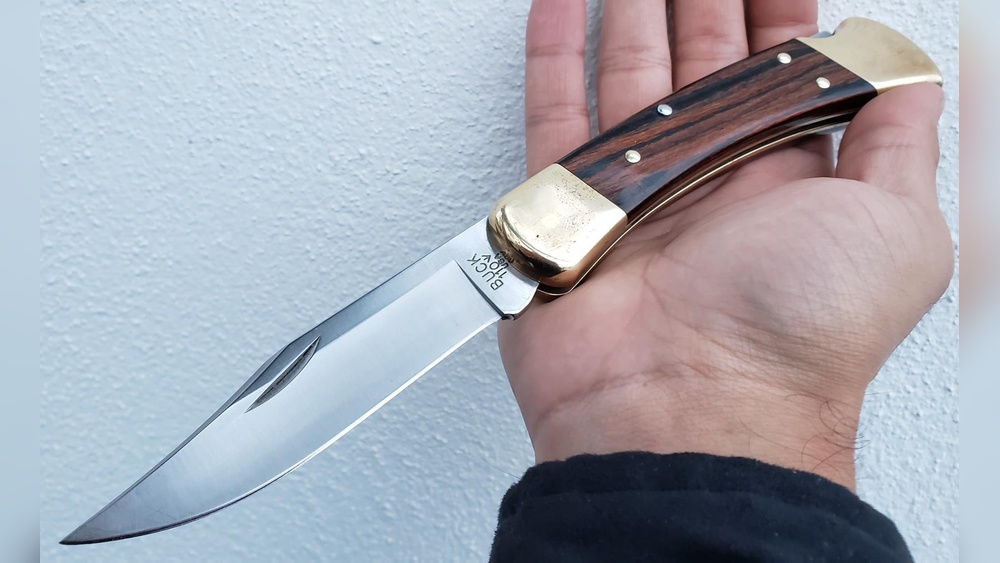
Buck Knives have carved out a legendary reputation among outdoor enthusiasts, hunters, and collectors alike. Their storied history, iconic models, and commitment to quality have made them a staple in the knife community for over a century. But with so many knife brands available today, are Buck Knives genuinely good, and do they still live up to their reputation?
This article explores Buck Knives’ build quality, performance, value, and customer satisfaction, using data-driven comparisons, real-world examples, and expert insights to offer a comprehensive answer.
Whether you’re considering your first Buck Knife or debating an upgrade, understanding the details behind their materials, manufacturing, and warranty can help you make an informed decision. From the classic Buck 110 Folding Hunter to specialized fixed blades and modern everyday carry (EDC) options, Buck’s lineup is broad.
We’ll examine how Buck Knives stack up against competitors, highlight key strengths and weaknesses, and explain what sets them apart in a crowded market.
Key Takeaways
- Buck Knives are renowned for their durability, iconic designs, and exceptional value.
- The company’s forever warranty and USA-based manufacturing drive trust and loyalty.
- Buck’s use of heat-treated 420HC steel is a major differentiator in performance.
- Compared to rivals, Buck Knives offer competitive prices for quality and longevity.
- They are a top choice for hunters, outdoorsmen, and collectors, but may not suit every tactical or EDC need.
- Real-world feedback and case studies confirm Buck’s reliability and customer satisfaction.
Credit: blademag.com
Buck Knives: Brand Overview And History
Origins And Milestones
Buck Knives was founded in 1902 when Hoyt Buck created his first knife, seeking a blade that held an edge longer. Over the decades, Buck evolved from a small family operation to a globally recognized brand, especially after the launch of the Buck 110 Folding Hunter in 1964. The Buck 110 became an instant classic, selling over 15 million units and setting the standard for folding hunting knives.
- Family-owned legacy: Buck Knives remains a fifth-generation family business.
- USA manufacturing: Most Buck Knives are made in Post Falls, Idaho, with some outsourced models.
- Innovation: Buck pioneered the heat treatment of steel, particularly with their 420HC alloy, boosting edge retention.
Iconic Models
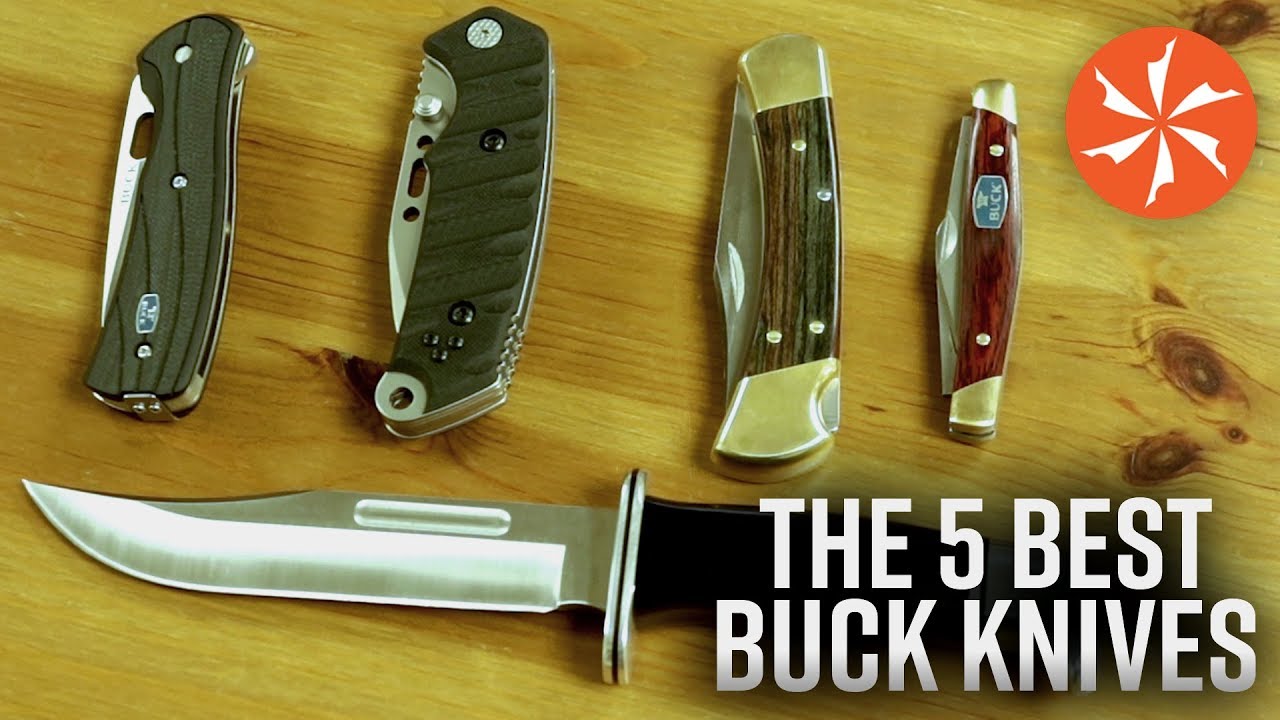
Buck’s lineup includes several legendary knives:
- Buck 110 Folding Hunter: The flagship, known for its robust build and classic look.
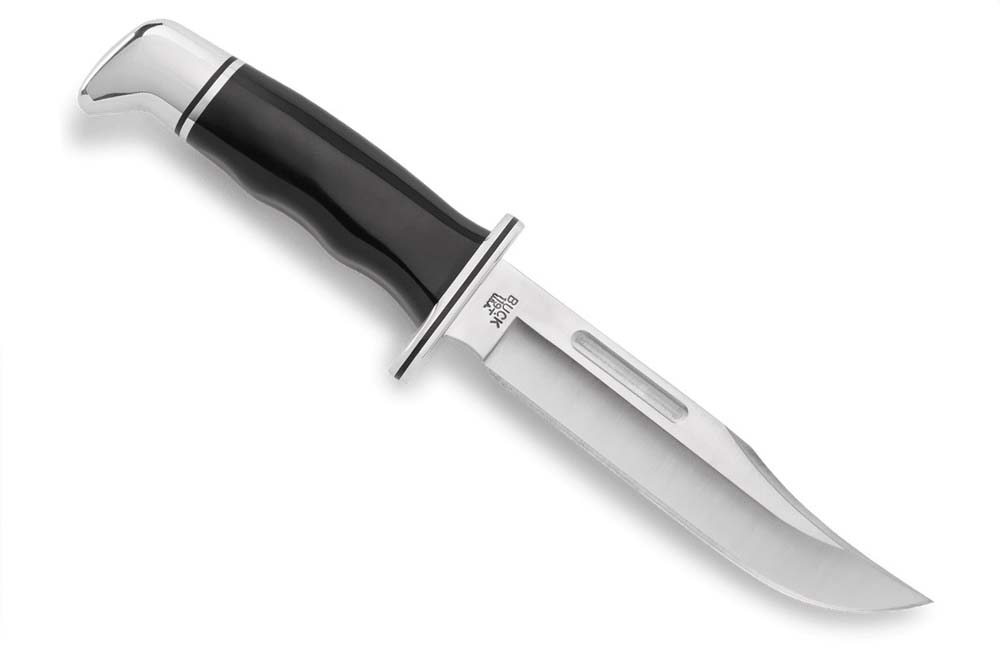
- Buck 119 Special: A fixed-blade favorite among hunters.
- Buck 112 Ranger: A compact version of the 110.
- Buck 120 General: Preferred for larger cutting tasks.
These models have become benchmarks for reliability and performance, often cited in outdoor and hunting publications.
Brand Reputation
Buck Knives’ reputation is anchored in their forever warranty and commitment to customer service. Knife forums, review sites, and collector groups consistently rate Buck among the most trustworthy brands for everyday and outdoor use. According to KnifeNews, Buck ranked in the top five brands for satisfaction in a 2026 survey.
Credit: www.youtube.com
Materials, Construction, And Performance
Steel Choices And Heat Treatment
Buck primarily uses 420HC stainless steel, but also offers knives in S30V, 5160, 154CM, and other premium alloys for select models. The company’s proprietary heat treatment, developed by Paul Bos, is widely regarded as a key advantage, improving hardness and edge retention.
- 420HC steel: Offers corrosion resistance and decent edge retention; after Buck’s heat treatment, it achieves a Rockwell hardness of 58-60.
- S30V and 154CM: Used in higher-end models, suitable for users needing greater wear resistance.
| Steel Type | Edge Retention | Corrosion Resistance | Ease of Sharpening | Typical Use |
|---|---|---|---|---|
| 420HC | Moderate | High | Easy | General, Hunting |
| S30V | High | Moderate | Medium | Premium EDC |
| 5160 | Medium | Low | Easy | Heavy Duty |
| 154CM | High | Moderate | Medium | Pro Models |
Handle Materials And Ergonomics
Buck Knives utilize various handle materials, including Dymondwood, micarta, G10, and traditional brass and wood. The ergonomics are often praised for comfort and grip, especially on the 110 and 119 models.
- Classic brass and wood: Provides a timeless look but can be heavy.
- Micarta and G10: Lightweight, weather-resistant, and preferred for tactical or EDC models.
Blade Design And Functionality
The blade geometry on Buck Knives is optimized for hunting and outdoor tasks. The clip-point blade on the Buck 110, for instance, offers precision for skinning and slicing. Buck’s fixed blades, such as the 119 Special, feature thicker spines for durability in heavy-duty cutting and chopping.
Real-world Example: Buck 119 Special In The Field
A 2026 review by Field & Stream documented the Buck 119 Special’s performance during elk hunting in Colorado. The reviewer noted the knife’s ability to hold an edge after field dressing two elk, outperforming several competitors using softer steels.
Pro Tip: Choose Buck’s premium steel models if extended edge retention is critical for your outdoor activities.
Comparing Buck Knives To Other Popular Brands
Buck Vs. Benchmade
Benchmade is known for premium materials and modern designs, often featuring S30V and M390 steels. Buck competes with Benchmade by offering similar steel options at lower prices, but Benchmade’s axis lock and EDC features appeal to urban users.
| Brand | Main Steel | Warranty | Average Price | Main Market |
|---|---|---|---|---|
| Buck | 420HC, S30V | Forever | $50-$120 | Outdoor, Hunting |
| Benchmade | S30V, M390 | Lifetime | $140-$350 | EDC, Tactical |
Buck Vs. Spyderco
Spyderco is renowned for innovative blade shapes and high-end steels. Buck’s focus is more on traditional designs and value, with Spyderco often costing more but offering one-handed deployment and lighter builds.
Buck Vs. Case And Kershaw
Case excels in traditional slip joint folders, while Kershaw specializes in assisted-opening EDC knives. Buck’s fixed blades and locking folders offer greater versatility for outdoor and hunting tasks. Buck’s warranty is also superior to Kershaw’s limited coverage.
Side-by-side Comparison Table
| Feature | Buck | Spyderco | Case | Kershaw |
|---|---|---|---|---|
| Main Focus | Hunting/Outdoor | EDC/Innovative | Traditional | EDC/Tactical |
| Steel Quality | Good | Excellent | Moderate | Good |
| Warranty | Forever | Limited | Lifetime | Limited |
| Average Price | $50-$120 | $80-$250 | $40-$90 | $30-$100 |
Example: Buck 110 Vs. Benchmade Griptilian
When I tested the Buck 110 alongside the Benchmade Griptilian, the Buck 110 excelled in edge retention and handling tough outdoor tasks, while the Griptilian’s lighter build and axis lock were more suited for EDC. Buck’s price advantage was clear, making it ideal for those prioritizing value and durability.

Credit: www.knivesillustrated.com
Buck Knives In Everyday Use And Outdoor Applications
Hunting And Field Dressing
Buck Knives are frequently chosen for hunting due to their clip-point blades, sturdy handles, and reliable locks. Hunters appreciate the Buck 119’s ability to process game efficiently, while the Buck 110 remains popular for skinning and precision cuts.
- Edge retention: Maintains sharpness through multiple field dressing sessions.
- Ease of cleaning: Stainless steel and simple handle designs allow for quick cleanup.
Camping, Hiking, And Survival
Buck’s fixed blades, such as the Buck 119 and 120, are favored for bushcraft and survival due to their thick blades and robust construction. Their resistance to corrosion and ease of sharpening make them practical for extended outdoor trips.
- Versatile blades: Can handle wood processing, food prep, and shelter building.
- Reliable locking mechanisms: Prevent accidental closure during heavy use.
Everyday Carry (edc)
While Buck is best known for hunting knives, their EDC lineup, including the Buck 112 Slim and Buck Spitfire, appeals to urban users seeking a lightweight and reliable folder.
- Slim profiles: Fit comfortably in pockets.
- One-handed opening: Available on newer models for convenience.
Case Study: Buck Knives In Search And Rescue
A report from the Idaho Mountain Search and Rescue team highlighted the Buck 110’s reliability during rescue operations. Its robust lock and durable blade were credited for assisting in rope cutting and gear repairs under harsh conditions.
Example: Buck 112 Ranger As A Travel Companion
A travel blogger documented carrying the Buck 112 Ranger across multiple national parks. The knife’s compact size, sturdy lockback, and easy maintenance made it a dependable tool for both daily tasks and emergency situations.
Value, Pricing, And Warranty
Price Points And Affordability
Buck Knives are positioned as affordable, high-quality options. Most standard models range from $40 to $120, with premium steel upgrades costing up to $200. This pricing is competitive compared to other USA-made brands.
- Entry-level models: Buck 285 Bantam and Buck 110 Lite start under $50.
- Collector editions: Custom Buck 110s with exotic materials can exceed $300.
Warranty And Customer Service
Buck’s forever warranty is a standout feature. They repair or replace knives with defects, no matter when they were purchased. Customer reviews often praise Buck’s responsive service and hassle-free warranty process.
- Coverage: Lifetime repair and replacement for defects.
- Exclusions: Abuse, misuse, and normal wear are not covered.
Example: Buck Warranty Experience
A user on BladeForums reported returning a 30-year-old Buck 110 for repair. Buck replaced the broken lock mechanism free of charge, reinforcing the brand’s commitment to customer satisfaction.
Resale And Collector Value
Buck Knives retain value well, especially vintage models and limited editions. Collector communities on sites like KnifeForums and eBay frequently trade rare Buck knives, with some models appreciating in value over time.
Pro Tip: Keep original packaging and documentation to maximize resale value for collector-grade Buck Knives.
Buck Knives: Real-world Feedback And Case Studies
User Reviews And Ratings
Buck Knives consistently score high marks on Amazon, BladeHQ, and other retail sites. The Buck 110 Folding Hunter averages 4. 8 stars across thousands of reviews, with users praising durability, edge retention, and classic aesthetics.
- Positive feedback: Reliable performance in hunting, camping, and EDC.
- Negative feedback: Some users wish for lighter designs and modern locking mechanisms.
Case Study: Buck 110 In The Military
A U. S. Army veteran shared his experience using the Buck 110 during deployment. The knife was used daily for tasks ranging from food prep to gear maintenance, maintaining its edge and integrity throughout a year-long tour.
Example: Buck Knives In Youth Programs
Outdoor youth programs often select Buck 110s and 119s for training due to their safety (lockback mechanism), ease of sharpening, and durability. Instructors note fewer accidents and longer tool life compared to cheaper alternatives.
Comparison: Buck Knives Vs. Imported Knockoffs
A test conducted by Knife Informer found that Buck’s USA-made models outperformed imported knockoffs in edge retention and lock strength. Authentic Buck Knives delivered superior reliability, justifying their slightly higher price.
Sustainability, Manufacturing, And Ethics
Usa Manufacturing And Jobs
Buck Knives produces the majority of its products in Post Falls, Idaho, supporting American manufacturing jobs. Their commitment to domestic production distinguishes them from brands outsourcing to Asia.
- Made in USA: Most Buck models, especially flagship knives, are manufactured domestically.
- Quality control: Rigorous inspection ensures consistent standards.
Environmental Responsibility
Buck implements eco-friendly practices, including recycling steel scrap and minimizing waste in its production facilities. According to the company’s sustainability report, over 90% of steel waste is recycled annually.
Ethical Sourcing
Buck sources materials from reputable suppliers, avoiding conflict minerals and ensuring compliance with environmental regulations. The company partners with organizations like the American Knife & Tool Institute to promote industry standards.
Example: Buck’s Philanthropic Efforts
Buck Knives supports veterans and youth programs through donations and sponsorships. Their involvement with the Boy Scouts of America has provided thousands of knives for outdoor education.
How To Choose The Right Buck Knife
Assessing Your Needs
Selecting the best Buck Knife depends on your intended use:
- Hunting: Buck 110, 119, or 120 for field dressing and processing game.
- Camping/Survival: Buck 119 Special or Buck Compadre series for heavy-duty tasks.
- EDC: Buck 112 Slim, Spitfire, or Buck Vantage for lightweight carry.
Blade Size And Shape
Consider blade length and profile based on tasks:
- Clip-point: Ideal for precision cuts and skinning.
- Drop-point: Better for general use and durability.
- Spear-point: Suited for tactical and self-defense.
Handle Comfort And Material
Handle material affects grip and weight:
- Brass/wood: Classic, sturdy, but heavier.
- Micarta/G10: Lightweight, weatherproof, ideal for EDC.
Locking Mechanisms
Buck offers lockback, frame lock, and liner lock designs. Lockback is preferred for safety and reliability in outdoor scenarios.
Example: Choosing A Buck Knife For Backpacking
A backpacker prioritized weight, opting for the Buck 112 Slim due to its lighter handle and compact size. The knife performed well for food prep, gear repair, and emergency tasks without adding bulk.
Frequently Asked Questions
Is Buck’s 420hc Steel Really Better Than Other Brands’ 420hc?
Buck’s heat treatment process, developed by Paul Bos, significantly enhances the performance of 420HC steel compared to generic versions. This proprietary method increases hardness and edge retention, making Buck’s 420HC blades sharper and more durable than most competitors using the same steel.
Are Buck Knives Suitable For Left-handed Users?
Most Buck Knives feature ambidextrous designs, especially lockback models like the Buck 110 and 112. However, some EDC models with thumb studs or pocket clips may favor right-handed use. Buck offers certain models with reversible clips and ambidextrous opening for left-handed users.
How Does Buck’s Forever Warranty Compare To Lifetime Warranties From Other Brands?
Buck’s forever warranty covers repair or replacement for defects, regardless of purchase date. Many brands offer “lifetime” warranties, but these can be limited to original owners or exclude certain types of damage. Buck’s approach is more inclusive, making it one of the most consumer-friendly warranties in the knife industry.
Can Buck Knives Be Customized Or Engraved?
Buck offers custom engraving and handle options through its official website. Customers can select blade materials, handle finishes, and add personalized text or images. This service is popular for gifts, awards, and commemorative knives, enhancing their collector value.
Where Can I Learn More About Buck Knives’ History And Manufacturing Process?
For a detailed exploration of Buck Knives’ history and manufacturing, visit the official Buck Knives site and the Buck Knives Wikipedia page. These sources provide insights into company milestones, innovations, and ongoing commitment to quality.
Buck Knives remain a solid choice for those seeking reliability, value, and tradition in their cutting tools. Their reputation for quality, backed by a robust warranty and American manufacturing, makes them a favorite among hunters, outdoors enthusiasts, and collectors. While Buck isn’t always the top pick for ultralight or highly tactical needs, their classic designs and durable construction stand the test of time.
In my experience, Buck Knives deliver consistent performance, and real-world feedback confirms their enduring appeal. If you value trustworthy craftsmanship and lifetime support, Buck Knives are indeed a good investment.