A fixed blade knife stands as one of the oldest and most reliable tools developed by humankind. From the earliest stone blades used by prehistoric people to the high-performance steel knives of modern survivalists and outdoor enthusiasts, the fixed blade knife has evolved into an indispensable companion for countless tasks.
Whether you’re a hunter, camper, soldier, chef, or simply someone who values preparedness, understanding the nuances of fixed blade knives is essential.
A fixed blade knife is characterized by its solid, non-folding construction, offering strength, simplicity, and dependability. While folding knives certainly have their place, the robust design and versatility of fixed blades make them a preferred choice for tasks requiring durability and heavy-duty use.
This article explores the essential features, types, uses, materials, advantages, and considerations of fixed blade knives, providing a thorough guide for anyone interested in these enduring tools.
Key Takeaways
- Fixed blade knives offer superior strength and reliability compared to folding knives.
- Their solid construction makes them ideal for heavy-duty tasks and outdoor activities.
- Various types and blade shapes cater to different needs, from survival to culinary use.
- Maintenance and proper handling are crucial for maximizing performance and safety.
- Legal regulations vary; always research local laws before carrying a fixed blade knife.
- Choosing the right knife depends on intended use, materials, and personal preferences.

Credit: www.carryology.com
What Is A Fixed Blade Knife?
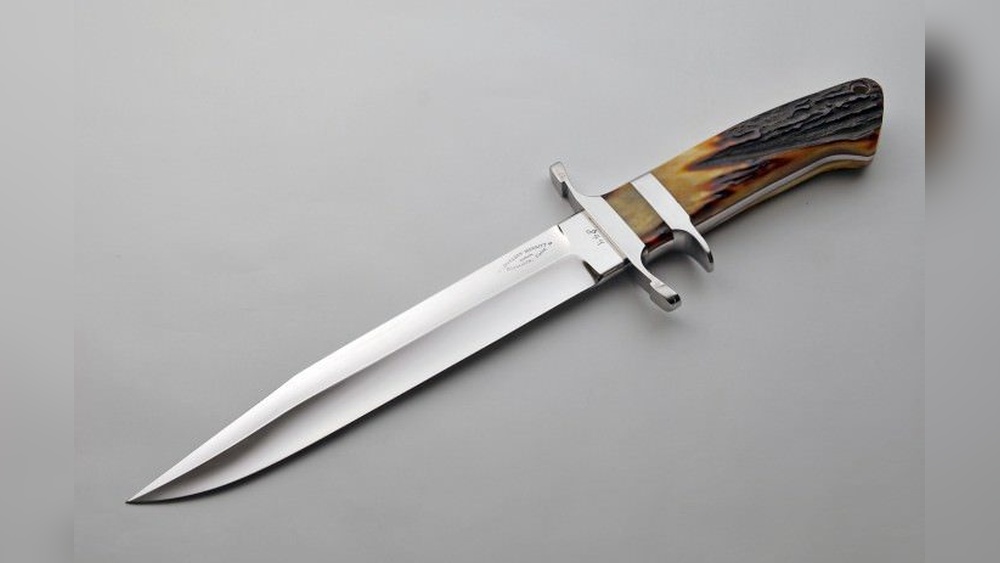
A fixed blade knife is a cutting tool with a blade that is permanently affixed to the handle, meaning it does not fold or retract. This single, solid piece of steel or other material forms the backbone of the knife, providing unmatched rigidity and strength compared to folding counterparts.
Key Features
- Non-folding design: The blade is always exposed and ready for use.
- Full tang construction: Most fixed blades feature a tang (the portion of the blade extending into the handle) that runs the full length of the handle, maximizing strength.
- Sheath requirement: Due to their exposed blades, fixed blades are typically carried in a sheath for safety.
Historical Context
Fixed blade knives are among the earliest tools created by humans. Archaeologists have discovered fixed blades made of flint, bone, and later, various metals, dating back thousands of years. Their evolution mirrors technological advances, with modern fixed blades crafted from advanced steels and composites.
Comparison To Folding Knives
While folding knives offer portability and discretion, they are generally less robust. The moving parts and locking mechanisms in folding knives can fail under heavy stress. In contrast, fixed blades, with their uninterrupted structure, are favored for activities requiring durability, such as survival, bushcraft, and tactical operations.
| Feature | Fixed Blade Knife | Folding Knife |
|---|---|---|
| Blade Strength | High | Moderate |
| Portability | Requires sheath | Pocket-friendly |
| Maintenance | Simple | Requires attention to moving parts |
| Typical Uses | Outdoor, survival, heavy-duty | EDC, light tasks |
Pro Tip:
For tasks involving prying, batoning, or heavy cutting, always opt for a fixed blade knife due to its superior strength and reliability.
Types Of Fixed Blade Knives
Fixed blade knives come in a variety of shapes and sizes, each tailored to specific tasks. Understanding these types helps users select the right tool for their needs.
Survival Knives
Survival knives are designed for emergency and outdoor situations. They often feature a robust blade, ergonomic handle, and may include additional survival features such as fire starters or serrated edges for cutting rope.
- Blade length: Typically 4, 7 inches.
- Material: High-carbon or stainless steel for durability.
- Example: The KA-BAR USMC knife, used by military personnel, is renowned for its ruggedness.
Hunting Knives
Hunting knives are specialized for field dressing and skinning game. They often have a curved blade for efficient slicing and a gut hook for opening animal cavities without damaging internal organs.
- Blade shape: Drop point or clip point.
- Features: Non-slip grip, corrosion resistance.
Tactical Knives
Tactical knives are designed for military, law enforcement, and self-defense applications. Their design emphasizes quick deployment, durability, and combat effectiveness.
- Blade coating: Non-reflective finishes for stealth.
- Handle: Textured for grip, often with a glass breaker or lanyard hole.
Bushcraft And Outdoor Knives
Bushcraft knives excel at woodcraft, shelter building, and fire making. They typically have a Scandinavian (Scandi) grind for easy sharpening and controlled carving.
- Blade thickness: 3, 4mm for resilience.
- Full tang: Essential for batoning and heavy tasks.
Utility And Camp Knives
Utility knives are multipurpose tools for camp chores, food preparation, and general use. Their design balances versatility and ease of maintenance.
- Blade length: 3, 6 inches.
- Sheath: Often includes attachment options for packs or belts.
Culinary Fixed Blade Knives
While folding knives are rare in kitchens, fixed blade culinary knives such as chef’s knives, paring knives, and cleavers are indispensable for food preparation.
- Blade steel: High-carbon stainless for edge retention and hygiene.
- Handle: Ergonomic, often with non-slip materials.
Specialty Knives
Other fixed blade designs include daggers, throwing knives, and diving knives, each optimized for unique tasks and environments.
- Diving knives: Corrosion-resistant, with blunt tips to prevent accidental punctures.
- Throwing knives: Balanced for accuracy and consistent flight.
| Type | Primary Use | Blade Length | Common Materials |
|---|---|---|---|
| Survival | Outdoor emergencies | 4, 7 in | High-carbon steel |
| Hunting | Field dressing | 3, 5 in | Stainless steel |
| Tactical | Self-defense, military | 4, 6 in | Coated steel |
| Bushcraft | Woodcraft, camping | 3, 5 in | Tool steel |
| Culinary | Food preparation | 6, 12 in | High-carbon stainless |

Credit: www.knivesillustrated.com
Anatomy And Materials Of A Fixed Blade Knife
The performance, comfort, and longevity of a fixed blade knife depend greatly on its construction and materials. Understanding each component provides valuable insight into making the right purchase.
Blade Materials
The blade material directly affects sharpness, edge retention, corrosion resistance, and ease of maintenance.
- Carbon steel: Known for exceptional toughness and edge retention but prone to rust without proper care.
- Stainless steel: Offers corrosion resistance and low maintenance but may require more frequent sharpening.
- Tool steel: Blends the best of both worlds and is popular in high-end knives.
Blade Shapes And Grinds
The blade shape impacts how the knife performs in different scenarios:
- Drop point: Versatile, with a strong tip and curved edge for slicing.
- Clip point: Sharp, controllable point for detailed tasks.
- Tanto: Reinforced tip for piercing.
- Sheepsfoot: Straight edge for chopping and slicing.
The grind determines edge sharpness and durability:
- Flat grind: Great for slicing.
- Scandi grind: Easy to sharpen, ideal for bushcraft.
- Hollow grind: Extremely sharp but less durable.
Handle Materials
The handle material affects grip, comfort, and durability.
- Micarta: Composite of resin and fabric, offers excellent grip even when wet.
- G-10: Glass-based laminate, lightweight and strong.
- Rubber: Comfortable and slip-resistant.
- Wood: Traditional and aesthetic, but requires care.
Tang Types
The tang refers to how far the blade material extends into the handle:
- Full tang: Blade runs the entire length of the handle, maximizing strength.
- Partial tang: Blade extends partially, suitable for lighter tasks.
- Skeletonized tang: Material removed to reduce weight without sacrificing strength.
Sheath Materials
A sheath protects the blade and the user. Common materials include:
- Leather: Durable and classic, can be affected by moisture.
- Kydex: Rigid thermoplastic, offers custom retention.
- Nylon: Lightweight and inexpensive.
Example: Comparing Blade Steels
| Steel Type | Edge Retention | Corrosion Resistance | Ease of Sharpening |
|---|---|---|---|
| 1095 Carbon Steel | High | Low | Easy |
| 440C Stainless | Moderate | High | Moderate |
| D2 Tool Steel | Very High | Moderate | Challenging |
| S30V Stainless | Very High | High | Challenging |

Credit: www.diamondbladeknives.com
Common Uses For Fixed Blade Knives
Fixed blade knives are renowned for their versatility across a wide range of applications. Their solid construction makes them the tool of choice for demanding environments and tasks.
Outdoor And Survival Applications
- Shelter building: Chopping branches and shaping wood.
- Fire preparation: Batoning logs, striking ferro rods.
- Food preparation: Slicing meat, cleaning fish, and cutting vegetables.
- First aid: Cutting bandages or clothing in emergencies.
Hunting And Field Dressing
Hunters rely on fixed blade knives for:
- Skinning game: The strong, curved blade allows for precise cuts.
- Gut hooks: Prevent puncturing internal organs when opening animals.
- Quartering: Breaking down large animals into manageable pieces.
Tactical And Self-defense
Military and law enforcement professionals use tactical fixed blades for:
- Close-quarters combat: Reliable and quick to deploy.
- Breaching: Cutting through barriers, seat belts, or webbing.
- Multi-tool use: Glass breaking, prying, or as a backup weapon.
Culinary And Food Preparation
Professional chefs and home cooks alike depend on fixed blade knives for:
- Precision slicing: Chopping, mincing, and dicing ingredients.
- Heavy-duty tasks: Breaking down poultry, filleting fish, or cleaving bones.
Edc (everyday Carry) And Utility
Some people choose to carry smaller fixed blades for everyday tasks, such as:
- Opening packages
- Cutting rope or cordage
- Light prying or scraping
Specialty And Emergency Uses
- Diving: Cutting fishing lines or safety nets.
- Rescue operations: Freeing trapped individuals or animals.
Example: Bushcraft Scenario
In my experience during a multi-day wilderness trek, a full tang bushcraft knife proved invaluable. Not only did it withstand repeated batoning for firewood, but its Scandi grind made feather-sticking effortless. The same knife prepared meals and performed camp chores without fail, a testament to the versatility of a well-chosen fixed blade.
Advantages And Disadvantages Of Fixed Blade Knives
Choosing a fixed blade knife comes with significant benefits but also a few limitations. Weighing these factors ensures you select the best tool for your needs.
Advantages
- Strength and durability: Fixed blades are less likely to break or fail under stress.
- Quick deployment: No folding mechanism means the knife is always ready.
- Easy cleaning and maintenance: Simple design allows for thorough cleaning, crucial in food prep and survival situations.
- Versatility: Suitable for a wide range of demanding tasks.
- Longer lifespan: With proper care, fixed blades often last decades.
Disadvantages
- Less portability: Larger size and requirement for a sheath can make everyday carry less convenient.
- Visibility: More challenging to carry discreetly, which may be an issue in urban environments or where laws restrict open carry.
- Weight: Full tang and robust construction add extra weight compared to folding knives.
Comparison Table: Fixed Blade Vs. Folding Knife
| Aspect | Fixed Blade | Folding Knife |
|---|---|---|
| Strength | Superior | Moderate |
| Maintenance | Simple | Complex |
| Safety (when not in use) | Requires sheath | Blade folded away |
| Suitability for Heavy Tasks | Excellent | Limited |
| Concealment | Challenging | Easy |
Example: Chef’s Fixed Blade Vs. Utility Folder
A chef’s knife, always a fixed blade, offers the length, weight, and balance required for professional kitchen work. In contrast, a folding utility knife is better suited for casual, light-duty tasks but falls short in food prep efficiency.
How To Choose The Right Fixed Blade Knife
Selecting the right fixed blade knife depends on your specific needs, preferences, and intended uses. Here are the most critical factors to consider.
Intended Use
- Outdoor survival: Look for a full tang, corrosion-resistant blade, and ergonomic handle.
- Hunting: Prioritize a sharp, curved blade and non-slip grip.
- Tactical/self-defense: Consider quick deployment, grip texture, and blade coating.
Blade Length And Shape
- Short blades (3, 4 inches): Ideal for precision tasks and EDC.
- Medium blades (4, 6 inches): Versatile for both outdoor and general use.
- Long blades (6+ inches): Suitable for chopping, batoning, and heavy-duty work.
Handle Comfort And Safety
- Grip texture: Essential for wet or gloved hands.
- Finger guards: Prevent slipping during forceful use.
- Ergonomics: Test the handle shape for comfort in multiple grips.
Blade Steel And Edge
- Edge retention: Choose higher carbon or tool steels for less frequent sharpening.
- Corrosion resistance: Stainless steels for humid or marine environments.
- Sharpening: Consider your ability and willingness to maintain the edge.
Sheath Quality
- Retention: The sheath should secure the knife firmly.
- Accessibility: Quick, one-handed draw may be necessary for tactical or emergency use.
- Attachment options: Look for belt loops, MOLLE compatibility, or lanyard holes.
Budget
Fixed blade knives can range from affordable utility models to high-end, custom-made tools.
- Entry-level: $20, $50 for basic, functional knives.
- Mid-range: $50, $150 for higher quality materials and craftsmanship.
- Premium: $150+ for specialized or custom knives.
Pro Tip:
Test the knife in hand before purchasing. Even the best-reviewed knife may not feel right for your grip or hand size.
Fixed Blade Knife Maintenance And Safety
Owning a fixed blade knife entails regular maintenance and strict adherence to safety practices. Proper care ensures longevity and optimal performance.
Cleaning And Storage
- Clean after use: Remove dirt, moisture, and debris immediately.
- Dry thoroughly: Prevent rust, especially on carbon steel blades.
- Oil blade: Light coat of mineral or specialty oil for corrosion protection.
- Store in dry location: Avoid prolonged storage in leather sheaths which can trap moisture.
Sharpening Techniques
- Sharpen regularly: Use a whetstone, ceramic rod, or guided system.
- Angle consistency: Maintain the correct edge angle for your knife type.
- Strop after sharpening: A leather strop refines the edge and removes micro-burrs.
Sheath Safety
- Insert and withdraw carefully: Avoid cutting yourself or damaging the sheath.
- Inspect retention: Ensure the knife does not slip out unintentionally.
- Replace worn sheaths: A loose or damaged sheath is a safety risk.
Responsible Handling
- Keep away from children: Secure storage when not in use.
- Use appropriate tasks: Do not use the knife as a pry bar, screwdriver, or hammer.
- Carry legally: Research and follow local laws and regulations.
Example: Field Maintenance
On a recent backpacking trip, I used a simple field sharpening kit to maintain my knife’s edge. After batoning wood and preparing meals, a quick touch-up on a ceramic rod restored the blade’s sharpness, emphasizing the value of routine maintenance.
Legal Considerations And Carrying Fixed Blade Knives
The legality of owning and carrying a fixed blade knife varies widely by country, state, and even city. Ignorance of the law is not a defense; always research before carrying a fixed blade in public.
United States Legal Overview
- Blade length restrictions: Many states regulate the maximum legal blade length.
- Open carry vs. concealed carry: Some jurisdictions allow open carry but prohibit concealed carry of fixed blades.
- Intent and context: Carrying a fixed blade for hunting or camping is often permitted, while urban carry may be restricted.
For a comprehensive state-by-state overview, consult the Wikipedia Knife Legislation page.
International Laws
- United Kingdom: Fixed blades are heavily restricted outside of specific activities (e.g., hunting, fishing).
- Canada: Fixed blades are legal for outdoors use but illegal if carried for self-defense.
- Australia: Strict laws regulate carrying knives in public without lawful excuse.
Transportation And Storage
- Vehicles: Knives should be stored in a secure, inaccessible location, especially when traveling through restrictive areas.
- Air travel: Fixed blades are prohibited in carry-on luggage worldwide.
Pro Tip:
When traveling, always research local knife laws, as even brief possession in a restricted jurisdiction can result in confiscation or prosecution.
Real-world Examples And Case Studies
Examining real-world scenarios illustrates the critical role fixed blade knives play across different environments.
Example 1: Search And Rescue Operations
During a mountain rescue mission, a SAR team member used a fixed blade knife to quickly cut through tangled climbing rope and webbing, freeing an injured climber. The knife’s robust construction ensured reliable performance under extreme stress, where a folding knife might have failed.
Example 2: Culinary Excellence
Professional chefs universally rely on fixed blade knives for food preparation. The balance, precision, and sharp edge of a chef’s knife allow for efficient, safe, and creative cooking, a standard no folding knife can match.
Example 3: Survival Scenario
A solo hiker lost in the woods used a fixed blade survival knife to build a shelter, process firewood, and prepare food. The knife’s versatility and reliability were crucial to enduring several days in the wilderness until rescue.
Example 4: Bushcraft Enthusiast Experience
When I tested a Scandinavian grind bushcraft knife on a week-long campout, it excelled in carving, notching, and food prep. The full tang design withstood repeated batoning and even light prying, demonstrating the practical superiority of fixed blades for outdoor skills.
Frequently Asked Questions
What Are The Main Differences Between A Full Tang And Partial Tang Fixed Blade Knife?
A full tang knife features a blade that runs the entire length and width of the handle, providing maximum strength and balance. A partial tang only extends partially into the handle, making it lighter but less durable under heavy use. Full tang knives are preferred for survival, bushcraft, and demanding tasks, while partial tangs are suitable for lighter, specialized applications.
Are Fixed Blade Knives Legal To Carry For Self-defense?
Legality varies by location. In many US states, open carry of fixed blade knives is allowed,