
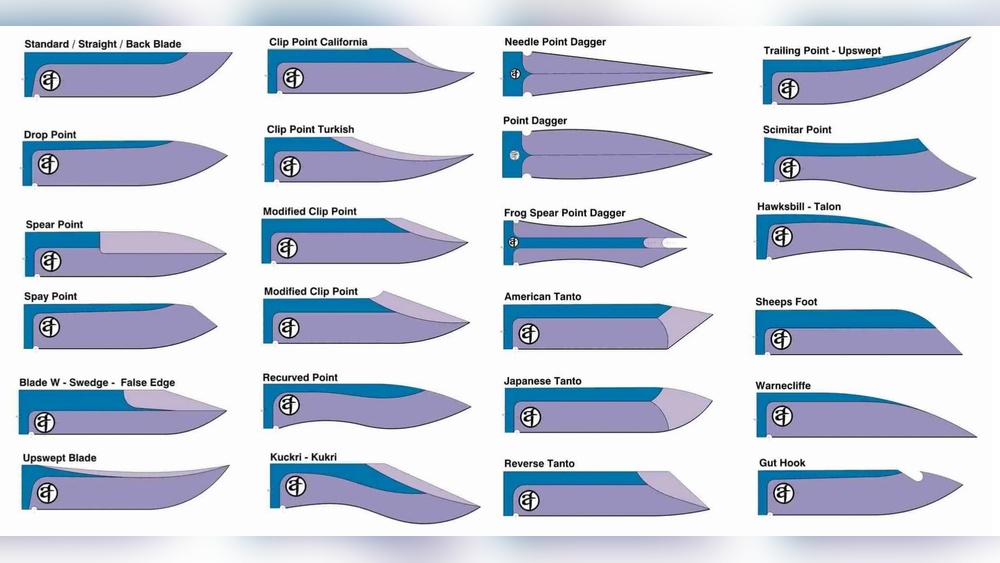
Choosing the right knife blade shape can dramatically affect performance, safety, and satisfaction, whether you’re a hunter, outdoor adventurer, tactical professional, or simply someone who appreciates quality tools. Among the most popular and widely debated blade designs are the spear point and drop point. Each style offers distinct advantages, limitations, and ideal use cases. Understanding their nuances is crucial for making an informed purchase, maximizing utility, and ensuring you have the right blade in your hand when it matters most.
This article provides an authoritative, data-driven comparison between spear point and drop point blades. We’ll analyze design features, real-world applications, ergonomics, durability, and user experiences. By the end, you’ll be equipped with actionable insights and expert recommendations to help you select the best blade shape for your needs, whether it’s everyday carry, hunting, tactical operations, or specialized tasks.
Key Takeaways
- Spear point blades excel in piercing and symmetrical tip strength, making them popular for tactical and self-defense applications.
- Drop point blades offer superior control, versatility, and durability, making them ideal for hunting and general use.
- The choice between spear point and drop point depends on intended use, user experience, and personal preference.
- Drop point blades are favored by hunters due to their ability to perform skinning and slicing tasks efficiently.
- Spear point blades are common in tactical knives and combat scenarios, but less practical for everyday tasks.
- Both blade types have unique strengths and weaknesses, and understanding them can prevent costly mistakes or unsafe usage.

Credit: keganico.com
Understanding Blade Geometry: Spear Point Vs Drop Point
Before diving into detailed comparisons, it’s essential to grasp the basic design principles behind spear point and drop point blades. Blade geometry impacts cutting performance, durability, and ergonomics.
Spear Point Blade Design
A spear point blade features a symmetrical shape with the tip aligned along the center axis. Both edges curve evenly to meet at a sharp point, resembling a spear or dagger. Often, spear points have double edges (or at least a false edge on the spine) to enhance piercing ability.
Key attributes:
- Symmetrical profile: Both sides mirror each other.
- Centered tip: Provides optimal balance for thrusting.
- Double-edged or false edge: Boosts penetration and slicing.
Drop Point Blade Design
A drop point blade is characterized by a convex curve from the spine that “drops” down to the tip. The belly of the blade is broad and gently curved, offering a larger cutting surface. The tip is positioned lower than the spine, enhancing control and reducing accidental punctures.
Key attributes:
- Convex spine curve: Creates a broad belly.
- Lowered tip: Increases tip strength and control.
- Single-edged design: Prioritizes slicing and utility.
Visual Comparison Table
| Feature | Spear Point | Drop Point |
|---|---|---|
| Tip Alignment | Centered | Lowered |
| Edge Type | Double/False Edge | Single Edge |
| Belly Shape | Minimal | Broad, Curved |
| Primary Use | Piercing/Thrusting | Slicing/Utility |
| Control | Moderate | High |

Credit: breakthroughblacksmithing.wordpress.com
Performance Analysis: Spear Point Vs Drop Point In Real-world Scenarios
The practical performance of a blade shape depends on context, task requirements, and user skill. Let’s assess how spear point and drop point blades fare in common applications.
Tactical And Combat Applications
Spear point blades are prevalent in military and law enforcement knives due to their exceptional piercing capability. The symmetrical tip concentrates force efficiently, allowing for deep penetration with minimal resistance. This design is especially effective in thrusting motions and defensive maneuvers.
Drop point blades, while less focused on piercing, offer robust tip strength and are less likely to break under stress. Their broad belly facilitates powerful slicing and slashing, which can be advantageous in cutting through rope, clothing, or other obstacles during tactical operations.
Example: The Gerber Mark II, a classic spear point combat knife, is famous for its effectiveness in thrusting and close-quarters defense. In contrast, the Benchmade Griptilian (drop point) is favored by search-and-rescue professionals for its versatility and durability.
Hunting And Outdoor Use
Drop point blades dominate hunting knives for several reasons. The lowered tip allows for precise skinning and minimizes the risk of puncturing internal organs, a critical factor for preserving meat quality. The broad belly is perfect for slicing hides, preparing food, and general camp tasks.
Spear point blades are less common in hunting. While they can pierce, their narrow belly limits efficiency in skinning and slicing. Hunters often avoid spear points unless they need a backup defensive tool.
Example: The Buck 119 Special (drop point) is a best-selling hunting knife, renowned for its control during field dressing. Spear point knives like the Cold Steel Peace Maker are chosen for self-defense, but rarely for processing game.
Everyday Carry (edc)
For EDC knives, drop point blades are overwhelmingly popular. Their versatility covers a wide range of daily tasks: opening packages, food prep, light prying, and more. The robust tip reduces risk of breakage and accidental injury.
Spear point blades are less practical for EDC. Their focus on piercing makes them less efficient for routine cutting, and double edges may pose legal restrictions in some jurisdictions.
Example: The Spyderco Para Military 2 (drop point) is a favorite among EDC enthusiasts due to its ergonomic design and reliable performance. Spear point blades are more common in tactical folders or backup tools.
Survival And Bushcraft
Drop point blades excel in survival settings. The broad belly is ideal for wood processing, food prep, and crafting tools. The lowered tip provides control for delicate tasks like feathering sticks and carving.
Spear point blades can be useful for piercing, but their limited belly reduces their utility for bushcraft activities.
Example: The Morakniv Companion (drop point) is a staple in survival kits for its reliability and versatility.
Durability And Safety Considerations
Blade shape directly impacts durability and user safety. Understanding these factors is critical for responsible knife selection and use.
Tip Strength
Drop point blades have a thicker, reinforced tip due to the convex spine. This design minimizes the risk of tip breakage when prying, digging, or performing heavy-duty tasks. Drop points are ideal for users who demand resilience and longevity.
Spear point blades feature a more acute, thinner tip. While this is advantageous for piercing, it increases vulnerability to bending or snapping under lateral stress. Users must exercise caution when using spear points for non-piercing tasks.
Edge Safety
Drop point blades are inherently safer thanks to their single-edge design and controlled tip. The risk of accidental cuts or punctures is reduced, making drop points suitable for beginners, hunters, and general users.
Spear point blades often have double edges or a sharpened false edge. This increases the risk of accidental injury, especially during rapid or unfamiliar movements.
Pro Tip: Always verify local laws regarding double-edged knives, as many jurisdictions restrict their carry or use.
Maintenance And Sharpening
Drop point blades are easier to sharpen due to their broad, single edge. Maintenance is straightforward, and most sharpening tools accommodate the drop point profile.
Spear point blades, particularly those with double edges, require specialized sharpening techniques. Maintaining symmetry and edge integrity can be challenging.
Durability Comparison Table
| Attribute | Spear Point | Drop Point |
|---|---|---|
| Tip Strength | Low, Moderate | High |
| Edge Safety | Moderate | High |
| Sharpening Ease | Difficult | Easy |
| Legal Restrictions | Common | Rare |

Credit: www.youtube.com
Ergonomics And User Experience
Comfort and control play vital roles in blade selection. Both spear point and drop point blades have unique ergonomic profiles.
Grip And Handling
Drop point blades often feature handles designed for general use, prioritizing comfort and secure grip. The lowered tip allows for natural wrist alignment, reducing fatigue during prolonged tasks.
Spear point blades may have symmetrical handles suited for ambidextrous use, especially in tactical or combat knives. However, their piercing focus can make certain tasks awkward or uncomfortable.
Weight Distribution
Drop point blades typically have balanced weight, with mass distributed toward the belly. This enhances slicing and chopping performance.
Spear point blades concentrate weight along the center axis, optimizing thrusting but potentially compromising control during slicing.
User Experiences
In my experience, drop point knives provide superior comfort for everyday tasks and hunting. The natural wrist angle and broad belly make them easy to use and maintain. Spear point knives excel in piercing and defensive applications, but require more caution and skill.
Example: Outdoor guides often recommend drop point blades for novice users, citing reduced fatigue and improved safety.
Blade Shape Selection: Which Is Right For You?
Choosing between spear point and drop point is not a matter of superiority, but suitability. Your intended use, skill level, and personal preferences should guide your decision.
Factors To Consider
- Intended Use: Tactical vs hunting vs EDC vs survival.
- Legal Restrictions: Double-edged blades may be prohibited.
- Maintenance Ability: Drop points are easier to sharpen.
- Comfort Level: Drop points offer more ergonomic control.
- Durability Needs: Drop points are generally tougher.
- Aesthetic Preferences: Spear points have a classic, aggressive look.
Example Use Case Table
| Scenario | Recommended Blade | Reason |
|---|---|---|
| Hunting | Drop Point | Precise skinning and slicing |
| Tactical/Combat | Spear Point | Optimal piercing and defense |
| EDC | Drop Point | Versatility and safety |
| Survival/Bushcraft | Drop Point | Durability and utility |
| Self-Defense | Spear Point | Efficient thrusting |
Real-world Examples
- Hunting Scenario: A Montana hunter chooses a drop point blade for field dressing elk, citing the broad belly and control as essential for clean meat preservation.
- Tactical Scenario: A SWAT team member uses a spear point knife for tactical operations, relying on the symmetrical tip for effective penetration during emergencies.
- EDC Scenario: An office worker prefers a drop point folder for daily tasks, appreciating the ease of sharpening and reduced risk of accidental injury.
Case Studies: Spear Point And Drop Point In Practice
Analyzing real-world usage helps illustrate the strengths and limitations of each blade shape.
Case Study 1: Military Tactical Knife (spear Point)
The KA-BAR USMC Fighting Knife is a renowned spear point blade used by the U.S. Marine Corps. Its symmetrical tip allows for efficient thrusting in combat situations. Field reports indicate that the spear point excels in defensive and offensive maneuvers, but is less effective for utility tasks like cutting rope or food prep.
Case Study 2: Hunting Knife (drop Point)
The Buck 110 Folding Hunter is a classic drop point knife. Hunters report high satisfaction with its ability to perform skinning and slicing tasks. The lowered tip prevents accidental puncture of internal organs, preserving the quality of game meat. Maintenance is straightforward, and the blade holds an edge well during extended use.
Case Study 3: Everyday Carry (drop Point)
The Spyderco Delica 4 is a drop point EDC knife with a loyal following. Users praise its versatility, ergonomic grip, and ease of sharpening. The broad belly handles a variety of tasks, from food prep to opening packages, making it a staple in many pockets.
Blade Materials And Edge Retention
While blade shape is the primary focus, material selection also impacts performance and longevity. Both spear point and drop point blades are manufactured from a variety of steels and alloys.
Common Materials
- Stainless Steel: Offers corrosion resistance and ease of maintenance.
- High Carbon Steel: Provides superior edge retention and toughness.
- Tool Steel: Used in heavy-duty applications for durability.
Edge Retention And Maintenance
Drop point blades, with their broader edge, often hold sharpness longer and are easier to maintain. Spear point blades, especially double-edged variants, may require more frequent sharpening and specialized care.
Pro Tip: Select blade material based on your environment and intended use. For humid or coastal regions, stainless steel is preferable for its rust resistance.
Legal And Regulatory Considerations
Blade shape can affect legal status and carry permissions. Double-edged or dagger-style spear point blades are frequently regulated in the United States and abroad.
Us Knife Laws
- Double-edged blades: Often classified as daggers or dirks, restricted in many states.
- Drop point blades: Generally permitted for carry and use.
Refer to authoritative resources like Wikipedia: Knife Legislation for up-to-date regulations.
International Variations
Laws vary considerably worldwide. Double-edged knives are often prohibited, while drop points are widely accepted for outdoor and utility purposes.
Pro Tip: Always check local laws before purchasing or carrying a spear point knife.
Price And Market Availability
Cost and availability influence blade shape selection. Both spear point and drop point knives are available across a broad price spectrum.
Market Trends
According to BladeHQ, drop point knives outsell spear point models by a significant margin in the US market. This reflects their versatility and popularity among hunters, EDC users, and outdoor enthusiasts.
Price Ranges
- Drop Point: $30, $300+, depending on brand and materials.
- Spear Point: $40, $250+, with tactical variants often commanding higher prices.
Example: Premium drop point knives such as the Benchmade 940 retail at over $200, while entry-level spear point folders can be found for under $50.
Frequently Asked Questions
What Are The Main Differences Between Spear Point And Drop Point Blades?
The primary distinction lies in tip design and intended use. Spear point blades feature a symmetrical, centered tip optimized for piercing. Drop point blades have a convex spine and lowered tip, prioritizing control, slicing, and versatility. The choice depends on whether you need efficient penetration or general-purpose utility.
Is A Spear Point Blade Legal To Carry Everywhere?
No. Many jurisdictions restrict or prohibit carrying double-edged or dagger-style blades due to their association with combat and self-defense. Always consult your local knife laws before purchasing or carrying a spear point blade. Drop point knives, being single-edged, are more widely permitted.
Which Blade Shape Is Easier To Sharpen And Maintain?
Drop point blades are easier to sharpen and maintain. Their single, broad edge accommodates standard sharpening tools and techniques. Spear point blades, especially those with double edges, require specialized care and symmetrical sharpening to maintain optimal performance.
Are Spear Point Blades Suitable For Hunting?
Generally, spear point blades are not ideal for hunting. Their narrow belly and piercing tip increase the risk of puncturing internal organs during field dressing. Most hunters prefer drop point blades for their broad belly and controlled tip, which facilitate clean skinning and meat processing.
Can I Use A Drop Point Knife For Self-defense?
Yes, a drop point knife can be used for self-defense, but it is less effective for thrusting compared to a spear point blade. The drop point’s robust tip and versatile edge make it reliable for defensive maneuvers, but those seeking optimal penetration may favor spear point designs.
The decision between spear point and drop point comes down to your specific needs, intended use, and legal considerations. Drop point blades are superior for hunting, everyday carry, and survival tasks, thanks to their versatile edge and robust tip. Spear point blades excel in tactical and piercing applications, but require greater care and awareness of legal restrictions.
By understanding these differences and matching them to your requirements, you’ll make a confident, informed blade selection that enhances both safety and performance.