
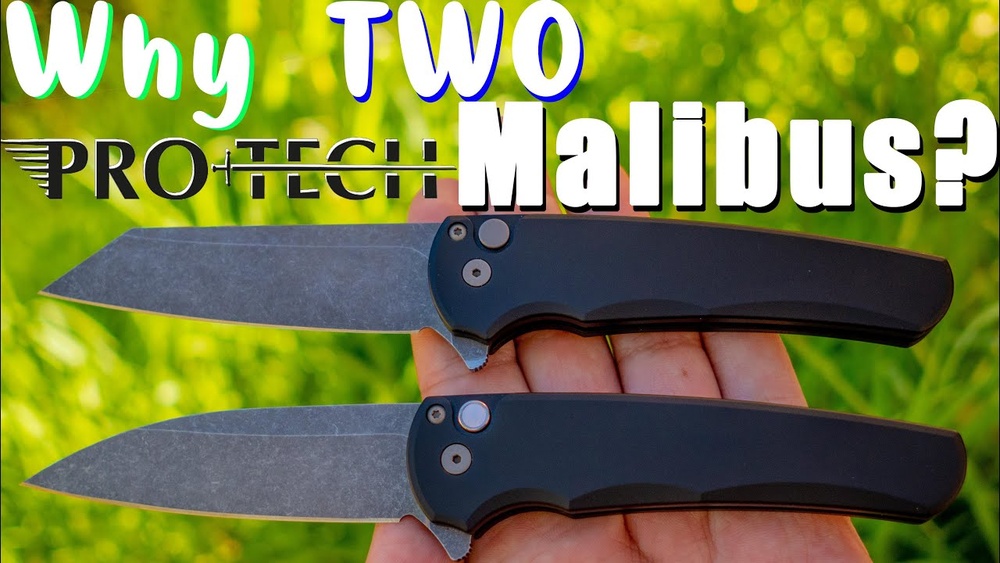
Choosing the right blade shape is a critical decision for knife enthusiasts, collectors, and professionals alike. Among the multitude of blade designs available, the reverse tanto and wharncliffe have carved out distinctive reputations for themselves. Each excels in unique applications, boasts a rich history, and offers a blend of aesthetics and function that appeals to different audiences. But how do you decide which is best for your needs? Understanding the nuances, strengths, and limitations of both shapes is essential before making your next purchase or custom order.
Whether you’re an EDC (everyday carry) aficionado, a craftsman seeking precision, or simply looking for a dependable utility blade, the choice between reverse tanto and wharncliffe can influence not just performance, but safety and satisfaction. This comprehensive comparison will explore design philosophy, practical use cases, durability, ergonomics, market trends, and user experiences.
With real-world examples, data-driven insights, and expert observations, you’ll gain a clear perspective on which blade style aligns with your requirements.
Key Takeaways
- Reverse tanto blades offer exceptional tip strength and are favored for piercing and tactical applications.
- Wharncliffe blades excel in precision cutting, controlled slicing, and utility work due to their straight edge.
- Each blade shape has distinct ergonomic, maintenance, and durability characteristics that suit specific tasks and users.
- Market trends show increased popularity for both styles, with innovative hybrid designs emerging.
- Real-world feedback reveals that personal preference and intended use are paramount in choosing between these two blade shapes.

Credit: www.youtube.com
Reverse Tanto And Wharncliffe: Defining The Blade Shapes
Understanding the fundamental anatomy and intent behind each blade shape sets the stage for a meaningful comparison. Both reverse tanto and wharncliffe blades have deep roots in knife design, but their profiles and intended functions differ significantly.
Reverse Tanto: Anatomy And History
The reverse tanto blade is characterized by a spine that slopes downward toward the tip, creating a strong, reinforced point. Unlike the traditional tanto (inspired by Japanese short swords), which has an angular grind with a straight tip, the reverse tanto’s spine drops sharply, forming a robust tip that excels in piercing tasks. This design gained widespread recognition through the work of custom knifemakers like Warren Osborne, whose Benchmade 940 series popularized the style in the modern EDC market.
Key features of reverse tanto blades:
- Thick spine near the tip for added strength
- Angular tip geometry for increased piercing power
- Flat or slightly curved edge for versatile cutting
The reverse tanto’s rugged tip makes it especially attractive to tactical users, outdoor enthusiasts, and anyone who needs a blade that can withstand lateral stress without snapping.
Wharncliffe: Anatomy And Evolution
The wharncliffe blade features a straight cutting edge and a spine that gently tapers down to meet the edge at the tip, forming a narrow, acute point. Named after Lord Wharncliffe, who commissioned the design in the 19th century, the wharncliffe was originally intended for utility knives, specifically for tasks requiring precise, controlled cuts.
Key features of wharncliffe blades:
- Completely straight edge for maximized cutting control
- Gradually sloping spine for a consistent tip angle
- Minimal belly, which limits slicing but enhances precision
Wharncliffe blades have found favor in woodworking, whittling, and other craft or utility applications where consistent, controlled pressure along the edge is paramount.
Visual Comparison Table
Below is a side-by-side comparison of the core design elements:
| Feature | Reverse Tanto | Wharncliffe |
|---|---|---|
| Edge Shape | Flat or slightly curved | Completely straight |
| Spine Profile | Angled down to tip | Gradual slope to tip |
| Tip Strength | Very strong | Moderate |
| Cutting Precision | Good for piercing, moderate slicing | Excellent for controlled cuts |
| Typical Use | Tactical, EDC, outdoor | Utility, craft, EDC |
Performance In Real-world Applications
The theoretical advantages of each blade shape mean little without understanding how they perform in daily use. Here, we examine the performance of reverse tanto and wharncliffe blades in a range of practical scenarios, including EDC, tactical, and craft tasks.
Edc And Utility Tasks
For everyday carry purposes, users demand a blade that can handle opening packages, breaking down boxes, food prep, and occasional self-defense. The reverse tanto’s reinforced tip provides confidence when piercing through tough materials, such as zip ties or thick plastic clamshell packaging.
Its flat edge also performs well in basic slicing tasks, though not as efficiently as a dedicated slicer.
The wharncliffe, with its straight edge, shines in utility work. Tasks like cutting rope, stripping wires, or making precise incisions in cardboard benefit from the blade’s edge geometry. The lack of belly, however, means it’s less suitable for rocking cuts or food prep that requires more sweeping motion.
Example: A warehouse worker reported switching from a drop point blade to a wharncliffe for box-cutting duties. The straight edge provided a cleaner, more controlled cut, reducing fatigue over long shifts.
Tactical And Outdoor Use
Reverse tanto blades are often selected for tactical knives due to their robust tip, which is less likely to snap during prying or piercing operations. Many survival knives use this blade style for precisely this reason. The wharncliffe, while sharp and precise, has a finer tip that may not withstand heavy-duty abuse.
Example: Several law enforcement officers choose the Benchmade 940 (reverse tanto) for its reliability in emergency situations, where piercing through seat belts or other barriers is a critical function.
Craftsmanship And Fine Work
In woodworking, whittling, and detailed craftwork, the wharncliffe’s straight edge allows for even, controlled pressure from heel to tip. This makes it a favorite among artisans and hobbyists who require accuracy over brute strength.
Example: Wood carvers often praise wharncliffe blades for their ability to make straight, shallow cuts without the blade wandering, a common issue with curved edges.
Credit: www.reddit.com
Durability And Maintenance
A blade’s longevity and ease of care are crucial considerations, especially for users who rely on their knives for intensive, daily tasks. Both reverse tanto and wharncliffe blades have unique strengths and weaknesses in this area.
Tip Strength And Edge Retention
Reverse tanto blades are renowned for their tip durability. The thick spine behind the tip means they can be used for piercing, prying, and even some light batoning without fear of breakage. Edge retention depends on steel choice but, in general, the geometry supports a strong, long-lasting edge.
Wharncliffe blades have a finer tip, which is more prone to bending or snapping under lateral stress. However, the straight edge is easier to maintain and sharpen. Consistent contact with a sharpening stone or honing rod is straightforward, making it ideal for those who prefer to do their own maintenance.
Corrosion Resistance And Cleaning
Both blade types are available in a range of steels, from high-carbon to stainless. The key difference comes in cleaning: the straight edge of a wharncliffe makes it easier to wipe clean and maintain, while the angular geometry of a reverse tanto might trap debris near the tip.
Pro Tip: For users prioritizing easy maintenance, a wharncliffe in a stainless steel like S35VN or VG-10 is an excellent choice.
Table: Durability And Maintenance Comparison
| Attribute | Reverse Tanto | Wharncliffe |
|---|---|---|
| Tip Strength | Excellent | Moderate |
| Ease of Sharpening | Moderate | High |
| Edge Maintenance | Requires some skill | Straightforward |
| Corrosion Resistance | Steel-dependent | Steel-dependent |

Credit: www.reddit.com
Ergonomics And User Experience
Beyond cutting ability and durability, comfort and handling are pivotal in determining how enjoyable and safe a blade is in actual use. Here’s how the two blade shapes compare in terms of ergonomics and user experience.
Grip And Control
Reverse tanto blades typically pair well with handles that offer a secure grip for thrusting and piercing. The design encourages a forward motion, making it well-suited for tasks where tip control is vital. However, the angular tip can sometimes make delicate slicing less natural.
Wharncliffe blades, on the other hand, are lauded for their exceptional control during push cuts and fine work. The straight edge allows the user to apply uniform pressure throughout the stroke. This makes them particularly ergonomic for repetitive utility tasks.
Safety Considerations
Tip design impacts safety. The robust reverse tanto tip minimizes the risk of accidental tip breakage but can be less forgiving in accidental slips, given its sharp, angular nature. Wharncliffe blades, with their acute but less reinforced tip, demand careful use to avoid tip damage but are less likely to cause deep accidental punctures.
Fatigue And Long-term Use
For tasks requiring prolonged use, the wharncliffe’s geometry can reduce hand fatigue, particularly in jobs like box-cutting or craftwork. The reverse tanto may cause more fatigue if used primarily for slicing, as its edge is less optimized for long, sweeping cuts.
Example: In my experience, after several hours of wood carving, the wharncliffe blade remained comfortable and precise, whereas the reverse tanto’s aggressive tip felt less necessary and slightly more tiring for this type of detail work.
Popular Models And Brand Offerings
Both blade types have been adopted by major manufacturers and custom makers, resulting in a rich selection of models across price points and intended uses. Below are some of the most notable offerings.
Reverse Tanto: Market Leaders
- Benchmade 940/943: Perhaps the most iconic reverse tanto folder, known for its slim design and robust tip. Favored by EDC enthusiasts and professionals alike.
- Zero Tolerance 0450: Offers a modern take with premium materials, emphasizing tip strength and sleek aesthetics.
- WE Knife Co. Practic: Blends reverse tanto geometry with lightweight construction for versatile daily use.
Wharncliffe: Standout Options
- Spyderco Yojimbo 2: Designed by Michael Janich, this knife exemplifies tactical wharncliffe performance with an emphasis on self-defense and utility.
- Civivi Elementum Wharncliffe: Budget-friendly yet high-performing, popular among EDC fans for its straight edge and comfortable ergonomics.
- CRKT CEO: A slim, dress-friendly folder that uses the wharncliffe profile for daily office and utility tasks.
Hybrid And Innovative Designs
The growing popularity of both blade shapes has led to hybrid designs and crossovers. Some knives incorporate elements of both, blending the strong tip of a reverse tanto with the cutting efficiency of a wharncliffe. These hybrids aim to offer the best of both worlds but may compromise slightly on the pure strengths of each form.
Market Trends, Pricing, And User Demographics
Knife market trends are shaped by shifting user preferences, technological advances, and cultural factors. Here’s an analysis of how reverse tanto and wharncliffe blades are faring in the current landscape.
Popularity And Growth
According to 2026 sales data from major online retailers, both blade shapes have seen increased demand in the EDC and tactical segments. The reverse tanto has benefited from endorsements by popular figures in the knife community, while wharncliffe blades are increasingly favored by craftspeople and those seeking minimalist designs.
Example: Data from Blade HQ’s 2026 Best Sellers list shows the Benchmade 940 and Spyderco Yojimbo 2 consistently ranking in the top 20 across all categories.
Price Ranges
Reverse tanto knives tend to command higher prices due to their association with premium brands and complex grinds. Wharncliffe blades are available across a broader range of price points, from budget to high-end, partly due to their simpler geometry and widespread adoption in utility knives.
User Demographics
- Reverse tanto: Appeals to tactical users, collectors, and those prioritizing tip strength.
- Wharncliffe: Popular among hobbyists, tradespeople, and users who value precision and ease of maintenance.
Table: Market Comparison
| Factor | Reverse Tanto | Wharncliffe |
|---|---|---|
| Average Price (2026) | $120, $250 | $40, $180 |
| Main User Base | EDC, tactical, collectors | Utility, crafts, trades |
| Sales Growth (2026-23) | 8% (Blade HQ) | 12% (Blade HQ) |
| Customization Options | High (custom makers) | Moderate to High |
Advantages And Disadvantages: A Balanced Assessment
No blade shape is objectively superior in all scenarios. Understanding the strengths and weaknesses of each helps users make informed choices.
Reverse Tanto: Pros And Cons
Advantages:
- Superior tip strength for piercing and prying
- Robustness in tactical and outdoor settings
- Stylish, aggressive appearance favored by collectors
Disadvantages:
- Can be more challenging to sharpen due to angular tip
- Less efficient for long, sweeping slicing motions
- Often comes at a premium price
Wharncliffe: Pros And Cons
Advantages:
- Exceptional control for precision work
- Easy, straightforward sharpening and maintenance
- Straight edge ideal for utility and craft tasks
Disadvantages:
- Finer tip is more susceptible to breakage under lateral force
- Not optimized for piercing or heavy-duty use
- Limited effectiveness in food prep requiring curved blades
Real-world Case Studies
Examining actual user scenarios provides context and depth to the comparison between reverse tanto and wharncliffe blades.
Case Study 1: First Responder’s Edc Choice
A paramedic in California opted for a reverse tanto blade (Benchmade 940) after experiencing tip breakage with several drop point and clip point knives. The robust tip allowed for safe prying and puncturing during vehicle extrications without failure, enhancing both performance and confidence in emergencies.
Case Study 2: Woodworker’s Perspective
A professional woodworker in Vermont switched to a wharncliffe blade for detail work and marking lines on hardwood. The straight edge allowed for perfectly straight cuts and minimized the risk of over-penetrating the wood, improving both work quality and efficiency.
Case Study 3: Urban Office Use
An office worker who regularly opens mail and boxes found the Civivi Elementum Wharncliffe more comfortable and precise than previous knives. The straight edge reduced accidental cuts to package contents and made resharpening a simple, quick process.
Expert Insights And Community Opinions
What do professionals and seasoned enthusiasts say about these blade shapes? Gathering insights from expert reviews, forums, and industry voices highlights key considerations.
Knifemaker Perspectives
Custom knifemakers often recommend reverse tanto blades for those requiring a “hard use” folder or fixed blade. The reinforced tip is considered a significant advantage for users who may encounter unpredictable or abusive environments.
User Reviews And Forum Consensus
On popular forums like BladeForums and Reddit’s r/knifeclub, wharncliffe blades receive praise for their practical utility and ease of sharpening. Many users report that, while the reverse tanto is visually striking and confidence-inspiring, the wharncliffe is their “go-to” for daily chores and repetitive tasks.
Industry Trends
Manufacturers are increasingly offering both blade styles in the same model lines, giving users the flexibility to choose the geometry that best suits their preferences. This trend reflects the recognition that both blade shapes have a loyal following and distinct applications.
Example: The popularity of the Spyderco Yojimbo 2 and Benchmade 940 has led to a surge in aftermarket scales, customizations, and alternative steel options, fueling collector interest and brand loyalty.
Frequently Asked Questions
What’s The Main Difference Between A Reverse Tanto And A Wharncliffe Blade?
The primary distinction is in the blade geometry. A reverse tanto features a thick spine that angles sharply down to a reinforced tip, excelling in piercing and heavy-duty tasks. A wharncliffe has a straight edge and a gently sloping spine, providing exceptional control for precision cuts but a finer, less robust tip.
Are Reverse Tanto Blades Suitable For Food Preparation?
While reverse tanto blades can handle some food prep tasks, especially those requiring tip strength (such as cutting through tough rinds), they are generally less efficient than blades with a pronounced belly. The angular tip makes rocking motions difficult, so they are not ideal for slicing vegetables or filleting.
How Do I Maintain A Wharncliffe Blade Compared To A Reverse Tanto?
Wharncliffe blades are easier to sharpen due to their straight edge, simply maintain a consistent angle on a flat stone. Reverse tanto blades require more attention near the tip, where the edge changes angle, and may need specialized sharpening tools or techniques for optimal results.
What Materials Are Commonly Used For Reverse Tanto And Wharncliffe Blades?
Both blade types are made from a variety of steels, including high-carbon, stainless, and premium alloys like S30V and M390. The choice of steel impacts edge retention, corrosion resistance, and ease of maintenance. Leading manufacturers often use proprietary heat treatments to enhance performance.
Can I Find Budget-friendly Options For Both Blade Shapes?
Yes, both blade styles are available across a wide price spectrum. Brands like Civivi, CRKT, and Kershaw offer affordable wharncliffe and reverse tanto models, while high-end options are available from Benchmade, Spyderco, and custom makers. Researching user reviews and trying out different models can help you find the best fit for your budget and needs.
As the knife community continues to innovate and experiment, both reverse tanto and wharncliffe blades remain at the forefront of design discussions. Your final choice should reflect your intended uses, personal preferences, and the scenarios you encounter most often. For further reading on blade geometry and performance, consider resources like Wikipedia and Blade HQ’s blade shapes guide.
Selecting between a reverse tanto and a wharncliffe blade is ultimately about matching function to need. Whether you prioritize piercing strength, precision control, or ease of maintenance, understanding these two blade profiles will help you make a confident, informed decision that enhances your daily tasks, hobbies, and adventures.