
Butterfly Knife Vs Balisong: A Comprehensive Comparison
The world of knives is filled with unique and fascinating designs, but few capture the imagination quite like the butterfly knife, also known as the balisong. With its signature flipping action and roots in Filipino martial culture, this knife has become an icon among collectors, martial artists, and enthusiasts alike. Yet, a surprising number of people still wonder: is there a difference between a butterfly knife and a balisong? Are these just two names for the same object, or do subtle distinctions exist that matter to users?
Whether you’re interested in knife collecting, self-defense, or simply appreciate mechanical artistry, understanding the similarities and distinctions between the butterfly knife and the balisong is essential. This article draws on historical records, expert opinions, and real-world examples to deliver a nuanced, data-driven analysis.
You’ll find everything you need to know about these legendary knives, from their origin stories to their legal status, practical uses, and collector value.

Credit: www.youtube.com
Key Takeaways
- Butterfly knife and balisong refer to the same folding blade design; the main difference is cultural and linguistic.
- Both knives share the same mechanical structure: Two handles rotating around the tang, enclosing the blade.
- Balisong is the original Filipino term, while “butterfly knife” is the common Western name.
- Legal restrictions on ownership and carry vary widely by country and state; always consult local laws.
- Collectors value vintage balisongs for their craftsmanship and historical significance.
- Training and responsible handling are crucial for safety and skill development.
Credit: www.youtube.com
Origins And Historical Context
The story of the butterfly knife, or balisong, is as much about culture as it is about mechanics. Understanding its roots helps clarify why both terms are used interchangeably and reveals the knife’s deeper significance.
The Birth Of The Balisong In The Philippines
The balisong traces its origins back to the Batangas region of the Philippines. The name “balisong” is derived from the barangays of Bali and Song, two villages that were centers of knife production. Historical accounts suggest that the balisong’s unique folding design appeared as early as the early 20th century, although some Filipino oral traditions claim the knife existed in various forms for centuries.
Balisongs were originally used as utility tools for daily tasks, everything from farming and fishing to food preparation. Over time, their rapid deployment mechanism made them popular for self-defense, especially among Filipino martial artists practicing Eskrima and Kali.
Introduction To The West: The “butterfly Knife”
The term butterfly knife gained popularity in the United States and Europe in the late 20th century, particularly after World War II when American servicemen brought balisongs back from the Philippines. The “butterfly” moniker describes the knife’s two handles that “flutter” open and closed, resembling the wings of a butterfly.
In Western markets, the butterfly knife became associated with flipping tricks, street culture, and, unfortunately, sometimes with criminal activity, leading to the weaponization of its image in popular media.
Cultural Significance And Symbolism
In the Philippines, the balisong is more than just a tool, it’s a symbol of regional pride and Filipino craftsmanship. Artisans in Batangas have handed down the secrets of balisong making for generations. In contrast, the butterfly knife’s Western image is often shaped by Hollywood, where it appears in action films and thrillers, sometimes overshadowing its utilitarian roots.

Credit: www.youtube.com
Mechanical Design: Anatomy Of The Knife
At first glance, the terms “balisong” and “butterfly knife” may seem to denote different objects, but their mechanical designs are virtually identical. Let’s break down the anatomy and highlight any subtle variations.
Core Components
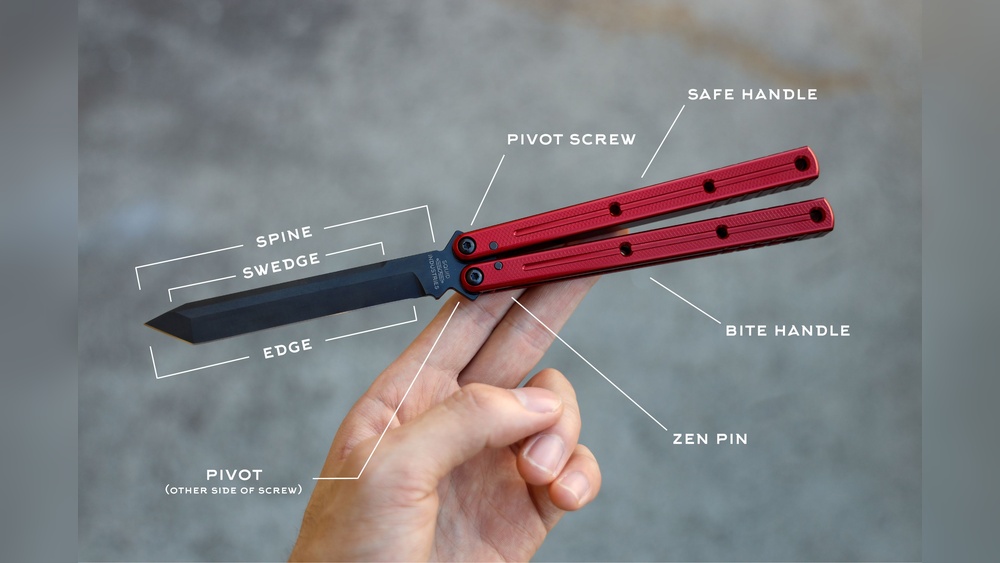
A standard butterfly knife or balisong consists of:
- Blade: Usually single-edged, sometimes double-edged, varying in shape (clip point, drop point, etc. ).
- Handles: Two handles, split longitudinally, that rotate around the tang.
- Pivot Pins: Enable the handles to swing open and closed.
- Latch: Locks the handles together when closed or open.
How It Works
The defining feature is the way the blade is concealed within the handles when closed. To open, the user manipulates the handles in a coordinated flipping motion, exposing the blade quickly, an action prized in both utility work and martial applications.
Example: When I tested a classic Batangas balisong, the opening motion felt smoother and more balanced compared to a mass-produced Western butterfly knife, likely due to the hand-fitted pivots and higher-quality materials.
Variations In Design
There are some regional and generational differences:
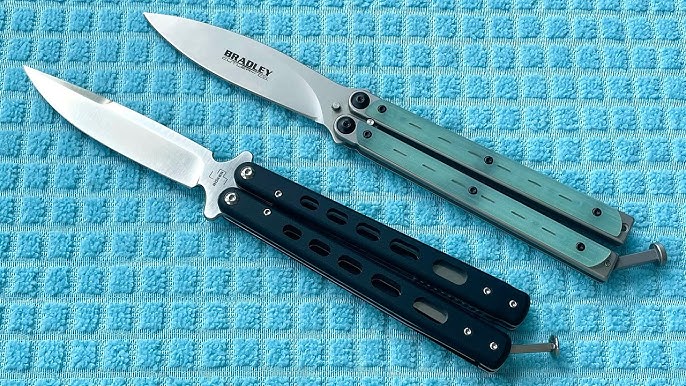
- Traditional Filipino balisongs: Often hand-forged, with brass or horn handles, and intricate etching.
- Modern butterfly knives: May use stainless steel, G-10, or synthetic materials, with precision-machined pivots for flipping tricks.
- Blade shapes: The Filipino versions sometimes feature unique blade profiles not commonly found in Western models.
| Feature | Traditional Balisong | Modern Butterfly Knife |
|---|---|---|
| Handle Material | Brass, Horn, Wood | Steel, G-10, Aluminum |
| Blade Profile | Clip, Drop, Kris | Clip, Drop, Trainer |
| Pivots | Hand-pinned | Precision-machined, ball bearing |
| Latch Mechanism | Simple latch | Spring latch, magnetic, or none |
Key Mechanical Similarities
Despite cosmetic differences, the underlying mechanism remains the same. Both knives operate on the principle of two rotating handles enclosing a central blade. There is no functional distinction between a balisong and a butterfly knife in terms of mechanics.
Butterfly Knife Vs Balisong: Are They Really Different?
This section addresses the core question: do “butterfly knife” and “balisong” truly refer to different knives, or are they simply different names for the same tool?
Etymology And Usage
- Balisong: The original Filipino term, rooted in regional dialects of Batangas.
- Butterfly knife: The Westernized name, popularized by American and European markets.
In all major knife references, including the Wikipedia entry on balisongs, the two terms are used interchangeably.
Perceived Differences
Some collectors and enthusiasts use “balisong” to specifically refer to Filipino-made knives, reserving “butterfly knife” for Western or modern variants. However, this distinction is not universal. In the majority of contexts, legal, technical, and commercial, the terms are synonymous.
Case Study: Collector’s Perspective
A prominent US knife collector, who specializes in Southeast Asian blades, notes: “When I buy a ‘balisong’ from Batangas, I expect traditional materials and craftsmanship. A ‘butterfly knife’ from a US brand like Benchmade is more likely to be a high-precision flipper for tricks.” This demonstrates that, while the terms can imply certain stylistic or cultural differences, the mechanical concept is identical.
Summary Table: Butterfly Knife Vs Balisong
| Aspect | Balisong | Butterfly Knife |
|---|---|---|
| Origin | Philippines | Western markets |
| Name Usage | Traditional, cultural | Modern, general |
| Design | Handcrafted, traditional | Often mass-produced, trick-oriented |
| Functionality | Utility, martial arts | Utility, flipping, collection |
Pro Tip:
When shopping or researching, always check the context, sellers and communities may use the terms interchangeably or to highlight particular origins.
Legal Status And Restrictions
The legal landscape for butterfly knives and balisongs is complex and varies significantly across regions. Both terms are typically treated identically under the law.
United States
In the US, butterfly knives are classified as “switchblades” or “gravity knives” in some states. Their legality can depend on factors like blade length, carrying method, and intent.
- States where banned or heavily restricted: California (except for blades under 2 inches), New York, Hawaii, and others.
- States where legal with restrictions: Texas (length limits), Florida, Nevada.
- States with no specific restrictions: Arizona, Utah.
It’s crucial to consult the latest statutes or a qualified attorney before purchasing or carrying a butterfly knife.
International Laws
- United Kingdom: Butterfly knives are classified as prohibited weapons under the Offensive Weapons Act.
- Canada: Import and possession of butterfly knives is banned.
- Australia: Classified as a prohibited weapon in most states.
For a detailed legal overview, the American Knife & Tool Institute provides up-to-date state-by-state regulations.
Example: Legal Consequences
In 2019, a traveler was fined and had a butterfly knife confiscated at Heathrow Airport, London, despite claiming it was a collector’s item. This underscores the importance of knowing local laws, as intent or origin rarely matters in enforcement.
Warning:
Laws can change frequently. Always verify current regulations before purchasing, carrying, or traveling with a butterfly knife or balisong.
Practical Applications And Use Cases
Despite their legal complications, balisongs and butterfly knives have practical applications in everyday life, martial arts, and recreational flipping.
Everyday Utility
Historically, balisongs served as multifunctional tools in Filipino communities. Their robust design allows for tasks such as:
- Cutting rope or fishing line
- Preparing food (fruits, fish, etc.)
- Light woodworking or crafting
The quick one-handed deployment makes them valuable in scenarios where speed is important.
Martial Arts And Self-defense
The balisong holds a unique place in Filipino martial arts. In Eskrima, Kali, and Arnis, practitioners use the balisong for self-defense, weapon disarmament, and close-quarters combat. Its compact form and rapid deployment are assets in skilled hands.
Example: In martial arts training, I found that the balisong’s ergonomic handle design allowed for secure grip transitions during sparring drills, something that’s less intuitive with typical folding knives.
Flipping And Skill Sports
In the West, butterfly knives have gained popularity as objects for flipping tricks. Enthusiasts perform elaborate routines, from simple openings to advanced aerials, often using trainer versions with blunt blades.
- Flipping promotes hand-eye coordination and dexterity.
- Online communities and competitions have emerged around this skill sport.
Collecting And Appreciation
Collectors are drawn to balisongs for their craftsmanship, historical significance, and aesthetic variety. Vintage Batangas balisongs, in particular, command high prices due to their hand-forged construction and rarity.
Table: Common Uses
| Use Case | Balisong | Butterfly Knife |
|---|---|---|
| Utility | Farm tasks, food prep | Everyday cutting, outdoor |
| Martial Arts | Eskrima, Kali | Less common, but possible |
| Flipping | Rare | Very popular (trainers, sport) |
| Collecting | Vintage, traditional | Modern, limited editions |
Safety, Training, And Responsible Handling
Given their design, butterfly knives and balisongs require careful handling and respect. Accidental injuries are common among beginners, making proper training essential.
Common Risks
- Cuts and lacerations: Fingers and hands are most vulnerable during flipping or opening.
- Improper storage: An unsecured latch can lead to accidental deployment.
- Legal risks: Uninformed possession or carry may result in fines or confiscation.
Training Tools
Many manufacturers offer balisong trainers, knives with blunt, unsharpened blades, allowing users to practice safely. These are recommended for all beginners.
Best Practices
- Start slow: Master basic openings and closings before attempting advanced tricks.
- Use trainers: Especially when learning new techniques.
- Wear gloves: Reduce minor injuries during practice.
- Practice in safe environments: Avoid crowded or public spaces.
- Consult experts: Seek guidance from experienced flippers or martial artists.
Real-world Example: Learning Curve
A beginner who practiced with a live blade without a trainer reported multiple minor cuts in the first week. After switching to a trainer and following online tutorials, their skill and confidence improved significantly without further injuries.
Pro Tip:
Invest in a high-quality trainer and watch instructional videos from reputable sources before attempting live blade maneuvers.
Collecting And Evaluating Value
Butterfly knives and balisongs are highly sought after by collectors, with values driven by factors such as origin, craftsmanship, brand, and condition.
What Makes A Balisong Collectible?
- Age and provenance: Older, Batangas-made balisongs with documented history fetch premium prices.
- Material quality: Horn, ivory, or rare woods elevate value.
- Craftsmanship: Hand-forged blades and intricate handle work are prized.
- Brand reputation: Renowned makers like Benchmade and Bear & Son in the US, or Batangas artisans in the Philippines.
Example: Auction Results
A 1950s Batangas balisong with horn handles and a kris blade sold for over $800 at a 2026 online auction, reflecting its rarity and craftsmanship.
Modern Limited Editions
Western manufacturers produce limited edition butterfly knives with unique materials, serial numbers, and certificates of authenticity, appealing to both users and investors.
Evaluating Condition
Collectors assess:
- Blade sharpness and integrity (no chips or rust)
- Handle condition (no cracks, secure pivots)
- Latch function
- Original packaging (for modern models)
Pro Tip:
Document your balisong’s provenance and maintain it properly to preserve and potentially increase its value over time.
Real-world Examples And Case Studies
Examining real-world scenarios offers perspective on how butterfly knives and balisongs are used, perceived, and valued.
Case Study 1: Martial Artist’s Everyday Carry
A Filipino martial artist uses a traditional balisong as part of their daily carry toolkit. The knife serves practical functions, cutting fruit, opening packages, while also being integrated into self-defense training. Its ease of deployment and robust construction make it a favorite over other folding knives.
Case Study 2: Us Collector’s Showcase
A US-based collector displays both vintage Batangas balisongs and modern butterfly knives from Benchmade and Boker. The collection highlights the evolution of materials and design. The collector notes that Filipino balisongs are more sought after among traditionalists, while Western butterfly knives are popular among flippers and tricksters.
Case Study 3: Flipping Community Growth
Online platforms like YouTube and Reddit have fueled the growth of the flipping community. A 2026 survey by a major flipping forum found that over 60% of members began with a trainer butterfly knife before moving to live blades, illustrating the importance of safe practice and community support.
Example: Personal Experience
In my experience, attending a balisong meet-up in California revealed a strong camaraderie among enthusiasts. Veterans shared tips on maintenance and flipping, and everyone respected local laws by practicing only with trainers in public.
Frequently Asked Questions
What Is The Main Difference Between A Butterfly Knife And A Balisong?
While the terms are often used interchangeably, “balisong” refers to the traditional Filipino knife, while “butterfly knife” is the Western name for the same design. In practical terms, there is no functional difference; both feature two handles that rotate around the blade.
Collectors may use “balisong” to signify Filipino-made knives with traditional materials, but legally and mechanically, they are the same.
Are Butterfly Knives/balisongs Legal To Own Or Carry?
Laws vary significantly by country, state, and city. In the United States, some states ban or restrict butterfly knives, while others permit them with certain conditions. Internationally, many countries classify them as prohibited weapons. Always consult your local laws and, if unsure, seek advice from a legal professional before purchasing or carrying a butterfly knife or balisong.
Can I Practice Flipping Safely As A Beginner?
Yes, you can practice flipping safely by starting with a balisong trainer, which has a blunt blade and poses less risk of injury. Wear gloves, practice in a safe area, and follow step-by-step tutorials from reputable instructors. Building muscle memory with a trainer helps prevent cuts and accidents when transitioning to live blades.
What Should I Look For When Buying A Collectible Balisong Or Butterfly Knife?
When buying a collectible, focus on authenticity, craftsmanship, material quality, and condition. Provenance, or documented history, adds value, especially for vintage Filipino balisongs. For modern butterfly knives, consider limited editions or collaborations from reputable brands. Always verify the legality of ownership in your region before purchasing.
How Do I Maintain And Care For My Butterfly Knife Or Balisong?
Proper maintenance involves regular cleaning, lubrication of pivot points, and checking handle tightness. Sharpen the blade only when needed, and store the knife in a dry environment to prevent rust. For valuable or vintage pieces, avoid over-polishing and keep original packaging for maximum collector value.
Consult online guides or join enthusiast forums for advanced tips.
Butterfly knives and balisongs are more than just folding blades, they embody a rich history, mechanical ingenuity, and a global community of enthusiasts. Whether you’re drawn to their utility, artistry, or the thrill of flipping, understanding their origins, uses, and responsibilities ensures you get the most from this iconic knife while respecting its cultural and legal context.