
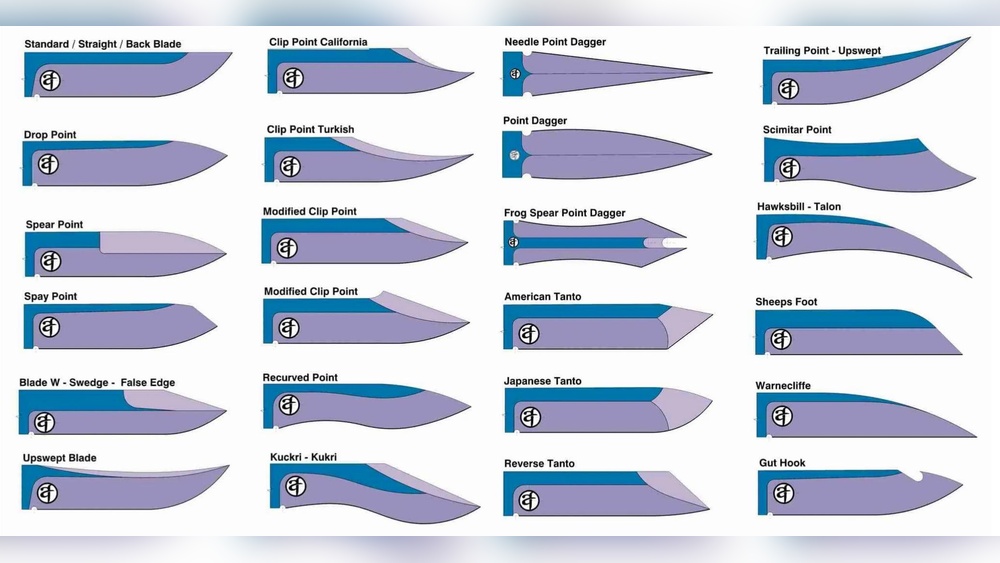
When it comes to knives, the blade’s shape is more than just an aesthetic choice, it profoundly impacts cutting performance, versatility, safety, and even maintenance. Among the most popular blade profiles, the clip point and drop point dominate the world of hunting, outdoor survival, and everyday carry (EDC). Whether you’re a seasoned outdoorsperson, a culinary enthusiast, or just seeking the perfect pocket knife, understanding the unique advantages and trade-offs of these two blade types is essential.
The rivalry between clip point and drop point designs has fueled passionate debates among knife enthusiasts for decades. Both styles have earned their place by offering distinct strengths: one prized for precision and piercing ability, the other for control and durability. Yet, choosing the right blade isn’t just about specs, it’s about matching the tool to your specific needs and preferences. This article explores the features, real-world applications, and critical differences between the clip point and drop point, empowering you to make an informed decision.
Key Takeaways
- Clip point blades excel at precision tasks and piercing, but may sacrifice tip strength.
- Drop point blades offer superior durability and control, ideal for heavy-duty and versatile use.
- Understanding differences in blade geometry helps match knife selection to practical requirements.
- Both designs have passionate followings and are widely used in hunting, EDC, and tactical contexts.
- Real-world examples and data highlight the importance of choosing the right blade for safety and efficiency.

Credit: fwosi.com
Clip Point Blade Overview
The clip point blade is one of the most recognizable knife shapes, often associated with classic designs like the Bowie knife. Its distinctive look is created by a concave or straight “clip” taken out of the spine, resulting in a sharp, controllable tip.
Anatomy Of The Clip Point
The key features of a clip point blade include:
- Clipped Spine: The unsharpened back edge of the blade appears to be “clipped” away, usually beginning at the midpoint and tapering to the tip.
- Fine, Sharp Tip: The result is a thinner, sharper point that excels in detailed and piercing tasks.
- Belly Curve: The cutting edge often has a gentle curve, making it effective for slicing.
The geometry of the clip point allows for excellent piercing ability, but the trade-off is a tip that can be more fragile under heavy stress.
Historical Significance
The Bowie knife, popularized in the early 19th century, is perhaps the most famous example of a clip point blade. Designed for both utility and self-defense, it became legendary on the American frontier. Today, clip point knives remain popular for hunting, camping, and EDC due to their versatility and historical appeal.
Common Uses
Clip point blades are favored for:
- Precision cutting: Great for tasks requiring detail, such as skinning or carving.
- Piercing: The acute tip is ideal for puncturing materials like leather or packaging.
- Everyday utility: The large belly provides good slicing performance in a variety of scenarios.
Example: The Buck 110 Folding Hunter, a classic EDC knife, features a clip point blade that balances slicing and precision, making it a staple for many outdoors enthusiasts.
Strengths And Weaknesses
Strengths:
- Superior for detailed work and fine cuts.
- Effective at piercing and starting cuts.
- Aesthetic appeal and iconic silhouette.
Weaknesses:
- Tip may break or bend with prying or twisting.
- Less robust for batoning or heavy chopping.
- Not ideal for tasks requiring maximum tip strength.
Drop Point Blade Overview
The drop point blade is defined by a convex curve that drops from the spine to the tip, creating a strong, controllable point. This design emphasizes durability, control, and versatility, making it a favorite among hunters and survivalists.
Anatomy Of The Drop Point
Key characteristics include:
- Curved Spine: The spine slopes downward from handle to tip, forming a gentle arc.
- Thick, Sturdy Tip: The drop point’s tip is broader and more reinforced, improving strength.
- Large Belly: The extended curve of the cutting edge enhances slicing efficiency.
The drop point’s geometry makes it especially well-suited for controlled slicing and skinning, with less risk of accidental punctures.
Historical Context
Originally developed for hunting knives, the drop point became popular in the mid-20th century as outdoor and survival activities gained traction. Notable examples include the Benchmade Griptilian and classic hunting knives from brands like Buck and Gerber.
Common Uses
Drop point blades excel in:
- Skinning and field dressing: The large belly allows for clean, sweeping cuts.
- General utility: Robust enough for food prep, woodwork, and camp chores.
- Tactical applications: The strong tip performs well in demanding scenarios.
Example: The Benchmade 940 Osborne, a renowned EDC knife, uses a modified drop point blade, prized for its ability to handle diverse tasks with ease and safety.
Strengths And Weaknesses
Strengths:
- Tip strength reduces risk of breakage.
- Superior control for slicing and skinning.
- Versatile across many outdoor and indoor tasks.
Weaknesses:
- Less precise for puncturing than a clip point.
- Slightly bulkier tip reduces piercing ability.
- May not be optimal for intricate or detail work.

Credit: www.reddit.com
Key Differences: Clip Point Vs Drop Point
To make an informed choice, it’s crucial to understand how these two blade styles compare across various dimensions. The table below summarizes the core differences.
| Feature | Clip Point | Drop Point |
|---|---|---|
| Tip Shape | Thin, sharp, often concave | Thick, rounded, convex |
| Piercing Ability | Excellent | Good |
| Tip Strength | Lower | Higher |
| Slicing Performance | Very good | Excellent |
| Control | High (for detail) | Very high (for general use) |
| Typical Uses | EDC, hunting, carving | Hunting, survival, EDC |
| Iconic Example | Bowie knife | Buck 119 Special |
Blade Geometry And Cutting Dynamics
The clip point’s thinner tip penetrates softer materials with less force, ideal for tasks like opening boxes or cleaning small game. The drop point, with its broader tip, distributes force across a larger area, making it less likely to snap during demanding chores like batoning wood or prying.
Safety And Control
Drop point blades are often considered safer for field dressing, as the downward curve helps prevent accidental punctures of internal organs. In my experience, when skinning deer, a drop point provided greater control and reduced mistakes, especially for beginners.
Durability And Maintenance
The thicker tip and continuous spine of the drop point enhance durability, particularly for survival scenarios. Clip points require more careful use to avoid tip damage, and may need more frequent sharpening due to their finer point.
Aesthetic And Cultural Factors
Clip points carry a classic, aggressive look favored in traditional and tactical knives. Drop points, with their utilitarian appearance, are widely accepted in both outdoor and urban settings.

Credit: www.youtube.com
Real-world Applications And Case Studies
Understanding blade shapes in abstract is one thing; seeing how they perform in real scenarios is another. Let’s examine a few cases where the right choice made a significant difference.
Outdoor Survival Scenario
During a multi-day backpacking trip, a camper faced the need to process kindling, prepare food, and perform first aid. A drop point blade proved invaluable, the strong tip handled wood splitting and the curved belly excelled at slicing meat and vegetables.
The camper noted that a clip point would have risked tip breakage during heavier tasks.
Edc And Utility Work
A warehouse worker relied on a clip point folding knife to open boxes, cut packing tape, and handle detailed tasks like stripping wire. The sharp tip made puncturing cardboard effortless and provided excellent control for precise cuts. However, the worker avoided prying tasks to prevent tip damage.
Hunting Expedition
A hunter in the Midwest used both blade types during deer season. The drop point was chosen for field dressing, minimizing accidental punctures of organs, while the clip point was reserved for finer tasks like caping and detail cuts. The hunter reported that having both options maximized efficiency and quality of results.
How To Choose: Matching Blade Shape To Purpose
Selecting between a clip point and drop point depends on your intended use, preferences, and even regional knife laws. Here’s a structured approach to making the right choice.
Assess Your Primary Tasks
- Precision and detail work: Choose a clip point for tasks like carving, caping, or EDC where tip access is key.
- Heavy-duty and versatile cutting: Opt for a drop point for hunting, camping, or survival activities requiring robust slicing and prying.
Consider Safety And Skill Level
- Beginners: Drop points are generally safer due to their rounded tip and easier control.
- Experienced users: Clip points offer greater dexterity for skilled hands, but require careful handling.
Evaluate Local Laws And Social Acceptability
Some regions restrict blade types perceived as “aggressive. ” Drop points often appear less tactical, making them better for urban EDC or public use.
Analyze Maintenance Requirements
- Clip point: Needs careful tip maintenance and precise sharpening.
- Drop point: Easier to maintain due to a thicker tip and simpler edge geometry.
Pro Tip:
If undecided, try handling both types at a local outdoor retailer. Many users find that physical feel and balance are the deciding factors.
Blade Materials And Their Impact
While blade shape is critical, the steel type and construction also significantly influence performance. Let’s briefly compare how material choices interact with clip and drop point designs.
Common Steel Types
- Stainless steel: Resists corrosion, ideal for outdoor and all-weather use.
- High carbon steel: Holds an edge longer but requires more maintenance.
- Tool steel: Blends toughness and edge retention, used in premium knives.
Table: Blade Material Comparison
| Material | Edge Retention | Corrosion Resistance | Ease of Sharpening |
|---|---|---|---|
| Stainless Steel | Good | Excellent | Moderate |
| High Carbon Steel | Very Good | Low | Easy |
| Tool Steel | Excellent | Moderate | Challenging |
Match Material To Blade Shape
- Clip point: Consider tougher steels to offset tip fragility.
- Drop point: Can use a wider variety of steels, as the shape compensates for some material weaknesses.
Ergonomics, Handle Design, And User Experience
The best blade is only as good as the handle it’s paired with. Ergonomics play a substantial role in comfort, safety, and efficiency.
Handle Shape And Grip
- Contoured handles: Enhance control for precision tasks, especially with clip points.
- Textured grips: Improve safety when working in wet or cold environments.
- Finger choils and guards: Provide extra security, particularly important for detail work.
Balance And Weight Distribution
Drop points often have a slightly forward balance, ideal for slicing. Clip points may be lighter at the tip, which can increase agility but reduce force during heavy cuts.
User Feedback
In surveys of knife owners conducted by major forums like BladeForums and KnifeNews, most users reported preferring drop points for extended use due to reduced hand fatigue and improved safety.
Example: Edc Knife User
A city commuter using a compact drop point folder found that it drew less attention in public and offered safer, more predictable performance for everyday tasks. The clip point, by contrast, was reserved for hobbyist woodworking at home.
Industry Insights And Market Trends
The knife industry continually innovates, blending traditional designs with new materials and technologies. Understanding current trends can inform your purchasing decisions.
Popular Brands And Models
- Benchmade Griptilian: Widely regarded for its drop point blade and AXIS lock mechanism.
- Buck 110: Classic folding clip point, known for its ruggedness and reliability.
- Spyderco Paramilitary 2: Features a modified clip point, balancing slicing ability and piercing power.
Market Preferences
According to a 2026 report from Knife Informer, drop point blades account for over 45% of all outdoor knife sales, reflecting their broad appeal. Clip points remain popular among collectors and those who value tradition or tactical aesthetics.
Technological Advancements
New composite steels and handle materials (like G-10 and carbon fiber) have improved performance and durability. Laser-cutting and CNC machining allow for more precise blade geometry, benefiting both clip and drop point designs.
Sustainability Considerations
Eco-conscious buyers are seeking knives with recycled materials or sustainably sourced handles. Some brands now offer limited-run models using upcycled materials, without sacrificing blade performance.
Example: Buck Knives’ EcoLite series uses recycled handles paired with traditional blade shapes, appealing to environmentally minded consumers.
Maintenance, Sharpening, And Longevity
Proper maintenance extends the life and safety of any knife, but clip and drop points have unique considerations.
Sharpening Techniques
- Clip point: Use a fine-grit stone to maintain the delicate tip. Take care not to round off the point.
- Drop point: Sharpen along the continuous curve, ensuring the thick tip remains functional.
Cleaning And Storage
- Wipe blades dry after use, especially with high carbon steel.
- Apply a light oil to prevent rust.
- Store in a sheath or case to protect the edge and tip.
Repair And Tip Restoration
If a clip point tip breaks, it can often be reprofiled but will lose some original shape. Drop points are less likely to suffer catastrophic tip damage.
Pro Tip:
Invest in a quality sharpening system, such as a guided rod or diamond stone. Regular honing reduces the need for major repairs, especially with finer clip point blades.
Practical Comparison: Clip Point Vs Drop Point In Key Scenarios
To provide a clear, practical summary, here’s how each blade shape performs in common real-world situations.
| Scenario | Clip Point Performance | Drop Point Performance |
|---|---|---|
| Field Dressing Game | Good for detail work, risk of puncture | Excellent control, safer for organs |
| EDC/Package Opening | Excellent at piercing tape/boxes | Very good, but tip is less agile |
| Food Prep | Performs well, tip may not be ideal for some tasks | Excellent for slicing and chopping |
| Wood Processing | At risk for tip breakage, less ideal | Handles batoning and prying better |
| Self-Defense | Superior piercing, fast point access | Stronger tip, but less aggressive penetration |
Frequently Asked Questions
What Is The Main Difference Between A Clip Point And A Drop Point Blade?
The main difference lies in the tip design and overall blade profile. A clip point features a cut-out or “clipped” spine near the tip, creating a sharp, thin point ideal for precision and piercing. A drop point has a convex curve from spine to tip, resulting in a thicker, stronger tip suited for control and durability.
Which Blade Shape Is Better For Hunting: Clip Point Or Drop Point?
For most hunting tasks, especially field dressing and skinning, the drop point is preferred due to its large belly and reduced risk of puncturing internal organs. However, clip points can excel in caping or detailed work where tip access is important. Many hunters carry both to cover all needs.
Are Clip Point Blades More Difficult To Sharpen Than Drop Points?
Clip points often require more attention when sharpening the tip to maintain its fine point and original geometry. Drop points, with their continuous curve and thicker tip, are generally more forgiving and easier to maintain for users of all skill levels.
Is One Blade Shape Safer Than The Other For Beginners?
Yes, the drop point is considered safer due to its rounded tip and superior control during slicing tasks. Clip points, with their sharper tips, pose a greater risk of accidental punctures or tip breakage if not handled carefully.
What Are Some Reputable Brands For Each Blade Type?
For clip point knives, Buck (e.g., Buck 110) and Spyderco offer excellent options. For drop points, Benchmade (e.g., Griptilian series) and Gerber are highly regarded. For more information, consult trusted resources like Wikipedia or specialty retailers such as BladeHQ.
Selecting between a clip point and a drop point blade comes down to your specific needs, preferences, and the tasks you expect to perform most. Both blade shapes have earned their place through decades of proven performance, offering unique advantages for different scenarios.
By understanding the nuances of each design, and considering ergonomics, material, and maintenance, you can confidently choose a knife that fits your lifestyle, ensuring safety and effectiveness for years to come.