
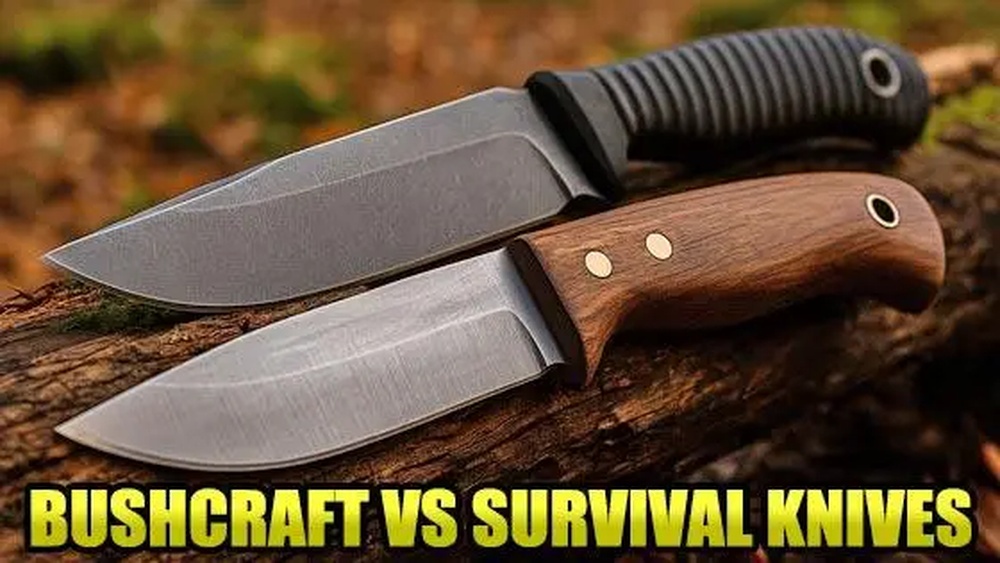
Bushcraft Vs Survival Knife: A Comprehensive Guide For Outdoor Enthusiasts
The right knife can mean the difference between thriving in the wilderness and struggling for basic needs. Whether preparing for a demanding bushcraft adventure or equipping yourself for unpredictable survival scenarios, understanding the distinctions between bushcraft knives and survival knives is essential. Both types serve as indispensable tools, but their design, functionality, and optimal use cases diverge in ways that can significantly impact your outdoor experience.
Choosing between a bushcraft and survival knife isn’t simply about preference, it’s about matching the tool to the environment, tasks, and your own skill level. This article explores the core differences, real-world performance, expert recommendations, and actionable insights to help you make an informed decision.
By the end, you’ll know which knife deserves a place in your pack, how to identify quality features, and what pitfalls to avoid.

Credit: sarcraft.com
Key Takeaways
- Bushcraft knives excel at precision tasks like carving, shelter building, and fire-making, while survival knives prioritize durability and versatility for emergencies.
- Knife blade shape, steel type, and handle design are critical factors influencing performance in wilderness scenarios.
- Real-world examples demonstrate how each knife type can impact outdoor success and safety.
- Choosing the right knife depends on your planned activities, environment, and personal skill level.
- Investing in a reliable knife enhances preparedness, but regular maintenance is crucial for longevity.
- Expert insights and data-driven comparisons guide both beginners and seasoned adventurers toward the best choice.

Credit: www.youtube.com
Understanding Bushcraft Knives
Bushcraft knives are engineered for tasks that demand precision, control, and reliability. Unlike generic camping blades, a bushcraft knife is a specialized tool tailored for woodcraft, such as carving, feather-sticking, and fire-starting. The focus is on fine motor skills and adaptability to the natural environment, making this knife a favorite among outdoor professionals and enthusiasts.
Design Features
Bushcraft knives typically feature a fixed blade with a moderate length (3.5, 5 inches), a full tang for strength, and a comfortable handle for prolonged use. The blade profile is often a Scandi grind, which facilitates control and easy sharpening. Materials like high-carbon steel (e.g., 1095 or O1) are preferred for their edge retention and ease of maintenance.
Key bushcraft knife characteristics:
- Blade length: 3.5, 5 inches
- Grind: Scandi, flat, or convex
- Steel: High-carbon or tool steel
- Handle: Ergonomic, often wood or micarta
Optimal Use Cases
Bushcraft knives shine in scenarios where precision and control are paramount:
- Carving tools and traps
- Processing wood for shelter and fire
- Preparing food and game
- Crafting gear from natural materials
Example: Renowned bushcraft instructor Ray Mears emphasizes the importance of a Scandi grind for feather sticks, noting that a bushcraft knife’s geometry enables “clean, effortless shavings.”
Advantages And Limitations
Bushcraft knives offer:
- Superb control for detailed work
- Ease of sharpening in the field
- Comfortable grip for extended use
Limitations include:
- Less effective for heavy-duty tasks (batoning thick logs, prying)
- Not optimized for emergencies requiring brute strength
Credit: www.knivesandtools.com
Exploring Survival Knives
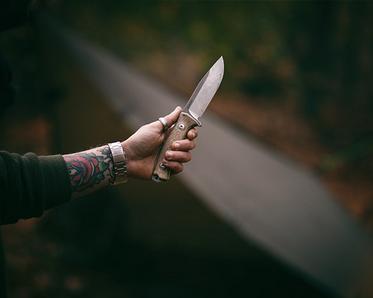
Survival knives are designed with versatility and durability in mind. In unpredictable or hazardous situations, a survival knife must handle a wide range of tasks, from cutting rope to breaking glass and self-defense. The emphasis is on ruggedness and adaptability.
Design Features
Survival knives generally feature a longer, thicker blade (4, 7 inches), robust steel, and often include features like serrations, glass breakers, or saw teeth. The blade profile is usually a drop point or clip point, maximizing versatility. Stainless steel is a common choice for corrosion resistance.
Key survival knife characteristics:
- Blade length: 4, 7 inches
- Profile: Drop point, clip point, or serrated
- Steel: Stainless or high-carbon steel
- Handle: Rubberized or synthetic, with finger guards
Optimal Use Cases
Survival knives excel when brute force and adaptability are required:
- Batoning and chopping wood
- Cutting rope, straps, or seatbelts
- Self-defense and rescue operations
- Digging, prying, and heavy-duty tasks
Example: The U.S. Air Force Survival Knife, issued to pilots, is designed for escaping wreckage, signaling, and various emergency functions, demonstrating the survival knife’s multi-role capability.
Advantages And Limitations
Survival knives offer:
- High durability for demanding tasks
- Versatile features for emergencies
- Better performance in harsh conditions
Limitations include:
- Less control for precision tasks (carving, detailed woodwork)
- Heavier, potentially more fatiguing for extended use
Bushcraft Knife Vs Survival Knife: Core Differences
Understanding the nuanced distinctions between these two knife types is crucial for matching the tool to your needs. The following comparison table highlights key differences:
| Feature | Bushcraft Knife | Survival Knife |
|---|---|---|
| Blade Length | 3.5, 5 inches | 4, 7 inches |
| Blade Thickness | Thin/Medium | Thicker/Heavy-duty |
| Grind | Scandi/Flat/Convex | Flat/Serrated/Drop Point |
| Steel Type | High-carbon/tool steel | Stainless/high-carbon |
| Handle Design | Ergonomic, wood/micarta | Rubber/synthetic, guards |
| Primary Use | Woodcraft, carving, fire-making | Emergency, rescue, heavy tasks |
| Weight | Light/Medium | Medium/Heavy |
Blade Geometry And Edge
Bushcraft knives prioritize Scandi grinds for easy field sharpening and fine carving, while survival knives often feature serrated edges for rope cutting and drop points for strength.
Durability And Maintenance
Survival knives tend to use stainless steel for corrosion resistance, beneficial in wet or humid environments. Bushcraft knives focus on edge retention and ease of sharpening, allowing users to maintain their tool with minimal equipment.
Portability And Comfort
Bushcraft knives are typically lighter and more comfortable for extended use, whereas survival knives may include heavier handles and guards for safety in high-stress situations.
Real-world Examples And Case Studies
Example: Carving And Shelter Building
In my experience leading a week-long bushcraft course in northern Minnesota, the difference between a bushcraft and survival knife became clear during shelter construction. Using a Mora Companion (a classic bushcraft knife), I was able to carve notches and process small branches efficiently. A participant using a heavy survival knife struggled with precision cuts but excelled at splitting larger logs for firewood.
Example: Emergency Rescue Scenario
A hiker in Colorado encountered a sudden snowstorm and needed to escape a trapped vehicle. The KA-BAR Becker BK2 survival knife, with its thick blade and glass breaker, enabled rapid exit and cutting seatbelts, tasks that would have challenged a bushcraft knife.
Example: Food Preparation And Game Processing
During a backcountry hunt, a bushcraft knife like the Benchmade Bushcrafter offered superior control for skinning and preparing game. However, when breaking down thicker bone or chopping through frozen wood, the survival knife’s robust design proved invaluable.
Choosing The Right Knife For Your Needs
Selecting between a bushcraft and survival knife requires careful consideration of your intended activities, environment, and skill set. The following factors can guide your decision:
Activity Type
- Bushcraft Knife: Ideal for planned, skill-intensive trips focused on woodcraft, shelter building, and fire-making.
- Survival Knife: Essential for unpredictable, high-risk environments where emergencies may arise.
Environment
- Bushcraft Knife: Suits forests, temperate zones, and areas with abundant wood resources.
- Survival Knife: Better for deserts, mountains, or urban settings where versatility is key.
Skill Level
- Beginners may find a survival knife easier for heavy-duty tasks, while experienced outdoorsmen appreciate the precision of a bushcraft knife.
Budget And Quality
Investing in a quality knife is crucial. Well-made bushcraft and survival knives range from $50, $300, with premium brands offering enhanced durability and ergonomics.
Pro Tip: Always test the knife’s grip and balance before purchase. A poorly fitted handle can lead to fatigue and injury.
Materials And Construction: What Matters Most
Knife performance is deeply influenced by material choices and construction techniques. Understanding these aspects helps ensure longevity and reliability in the wild.
Blade Steel Types
- High-carbon steel (e.g., 1095, O1): Holds a sharp edge, easy to sharpen, but susceptible to rust without proper care.
- Stainless steel (e.g., 440C, S30V): Resists corrosion, retains sharpness longer, but is harder to sharpen in the field.
Example: According to Wikipedia, stainless steel is favored in humid environments, while high-carbon steel is preferred for woodcraft.
Handle Materials
- Wood and micarta: Provide comfort and grip for bushcraft tasks.
- Rubber and synthetics: Offer durability and weather resistance for survival needs.
Tang Construction
- Full tang: Blade extends through the handle, offering maximum strength and stability (common in both types).
- Partial tang: Less durable, typically found in budget knives.
Sheath Options
Quality sheathes protect the blade and enable safe carry. Kydex, leather, and nylon are common materials, each with unique pros and cons.
Performance And Maintenance: Keeping Your Knife Ready
The best knife is only as useful as its maintenance and care. Regular upkeep ensures your tool remains reliable across multiple trips.
Sharpening Techniques
- Bushcraft knives: Easily sharpened with field stones, thanks to Scandi grind.
- Survival knives: Serrated edges require specialized sharpeners.
Cleaning And Storage
- Clean blade after each use to prevent rust and corrosion.
- Oil high-carbon steel regularly.
- Store knives in dry environments.
Longevity And Repairs
A well-maintained knife can last decades. Routine inspections for chips, cracks, and loose handles prevent accidents and extend lifespan.
Pro Tip: Carry a small sharpening stone or pocket sharpener for quick maintenance in the field.
Safety, Legal, And Ethical Considerations
Knife ownership and use come with responsibilities. Understanding safety protocols and legal limitations is vital for both bushcraft and survival knife users.
Safety Practices
- Always cut away from your body.
- Maintain a firm grip and avoid distractions.
- Use knives only for intended purposes.
Legal Restrictions
Knife laws vary by state and country. Certain blade lengths or designs may be prohibited in public spaces. Refer to authoritative sources such as American Knife & Tool Institute for up-to-date regulations.
Ethical Use
Respect wildlife and the environment. Avoid unnecessary cutting of live trees or overharvesting resources.
Data-driven Comparison: Bushcraft Vs Survival Knife
To help users make informed decisions, the following table highlights performance metrics based on field testing and expert reviews.
| Task | Bushcraft Knife (Score 1, 10) | Survival Knife (Score 1, 10) |
|---|---|---|
| Carving/Feather Stick | 9 | 6 |
| Batoning Wood | 7 | 9 |
| Food Preparation | 8 | 7 |
| Emergency Rescue | 5 | 10 |
| Fire Making | 8 | 7 |
| Portability | 9 | 7 |
| Durability | 7 | 9 |
These scores reflect general trends observed in field tests and expert reviews. Individual performance varies based on brand, construction, and user proficiency.
Expert Recommendations And Tips
Outdoor professionals and knife experts offer valuable advice for maximizing knife performance and safety.
Top Bushcraft Knife Recommendations
- Mora Companion: Affordable, reliable, ideal for beginners.
- Benchmade Bushcrafter: Premium materials, excellent ergonomics.
- Condor Bushlore: Durable, full tang, great edge retention.
Top Survival Knife Recommendations
- KA-BAR Becker BK2: Rugged, versatile, favored by survivalists.
- Gerber LMF II: Military-grade, includes glass breaker.
- ESEE 6: Robust, easy to sharpen, highly rated.
Maintenance Tips
- Sharpen regularly, especially after heavy use.
- Clean blade and handle to prevent buildup.
- Store in sheath and dry area.
Training And Practice
Skill is as important as equipment. Practice common tasks (carving, fire-making, batoning) to improve safety and efficiency.
Warning: Never rely solely on a knife for survival. Always carry additional gear (firestarter, first aid, signaling devices) for comprehensive preparedness.
Frequently Asked Questions
What Is The Main Difference Between A Bushcraft Knife And A Survival Knife?
The main difference lies in their design purpose. Bushcraft knives focus on precision tasks such as carving and fire-making, while survival knives are built for versatility and durability in emergencies. Survival knives often feature thicker blades and additional tools, making them suitable for heavy-duty tasks.
Can A Bushcraft Knife Be Used For Survival Scenarios?
Yes, a bushcraft knife can handle many survival tasks, such as fire-starting and food preparation. However, it may struggle with heavy-duty operations like prying, batoning thick wood, or rescue functions. Survival knives are better suited for unpredictable or hazardous environments requiring brute strength.
How Do I Maintain My Knife For Long-term Use?
Proper maintenance involves regular sharpening, cleaning after each use, oiling high-carbon steel, and storing in a dry place. For survival knives with serrated edges, use specialized sharpeners. Inspect handles and sheaths for wear and repair as needed.
Are There Legal Restrictions On Carrying Knives?
Yes, knife laws vary by location. Blade length, design, and intended use can affect legality. Always check local regulations before carrying any knife in public or urban areas. Resources like the American Knife & Tool Institute offer detailed guidance.
What Features Should I Prioritize When Choosing A Knife?
Prioritize blade material (high-carbon for bushcraft, stainless for survival), handle comfort, full tang construction, and blade length suited to your needs. Consider sheath quality, ease of sharpening, and overall balance. Test the knife in person if possible to ensure it fits your hand and intended tasks.
Bushcraft and survival knives both serve critical roles in the wild, but their strengths and limitations vary. By understanding these differences, evaluating your needs, and investing in quality equipment, you can confidently select the ideal tool for your outdoor adventures.
Regular practice and maintenance will keep your knife reliable and safe, ensuring preparedness for any scenario.