
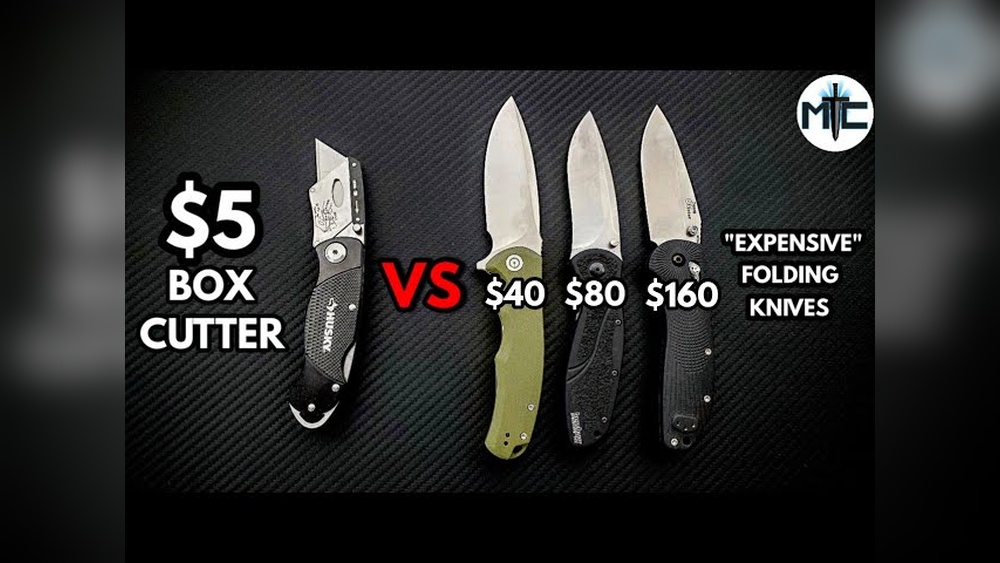
Choosing the right cutting tool can significantly impact your productivity, safety, and overall experience, whether you’re on a camping trip, tackling home improvement projects, or managing warehouse tasks. The debate between pocket knives and utility knives is more than just a matter of preference; it’s about matching the tool to the job at hand. While both knives serve as indispensable tools in their own right, each brings unique strengths, weaknesses, and use cases to the table.
Understanding the distinctions between these two blade types is critical for professionals, hobbyists, and everyday users alike. This article will provide an in-depth comparison, weighing the features, safety aspects, versatility, and real-world performance of pocket knives versus utility knives. By the end, you’ll be armed with the insight needed to make an informed decision, so your next purchase fits your specific needs perfectly.
Key Takeaways
- Pocket knives offer versatility and durability for outdoor, survival, and daily carry needs, while utility knives excel at precision and repetitive tasks in trades and crafts.
- Safety, maintenance, and blade replacement mechanisms differ significantly between the two, impacting long-term usability.
- Real-world examples highlight the strengths and drawbacks of each knife type in specific scenarios.
- Cost, legal restrictions, and ergonomics play crucial roles in deciding which knife is most suitable for your needs.
- Comparing both knives across multiple criteria reveals that neither is universally superior; the best choice depends on your intended use.
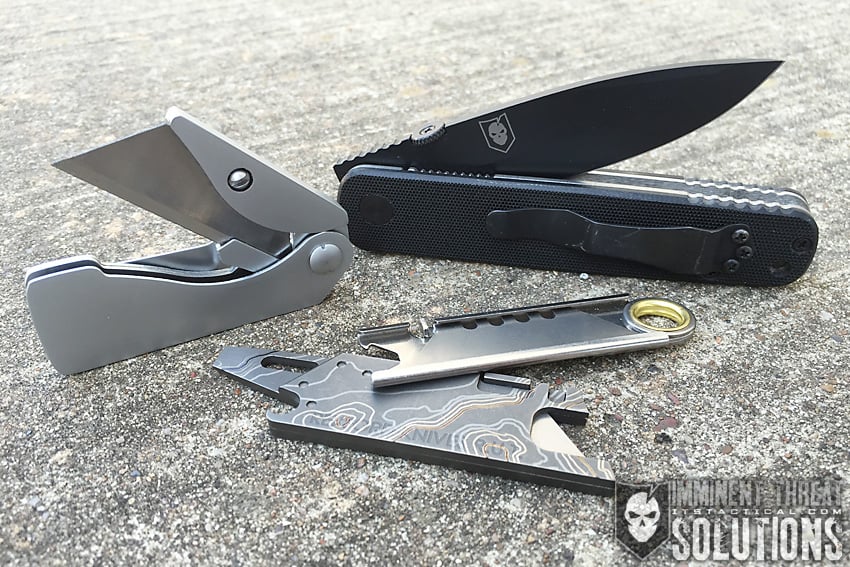
Credit: www.itstactical.com
Pocket Knife Overview
Design And Features
A pocket knife is typically a folding knife with one or more blades that fit inside the handle, making it compact and easy to carry. The most common designs include single-blade, multi-blade, and multi-tool configurations. High-quality models use stainless steel, carbon steel, or even advanced alloys for the blade, paired with handles made from materials like aluminum, G10, or wood.
Key features often include:
- Locking mechanisms (liner lock, frame lock, back lock) for safety
- One-handed opening (thumb studs, flippers)
- Clip for convenient pocket carry
- Blade shapes (drop point, clip point, tanto, etc.)
Typical Uses
Pocket knives shine in:
- Outdoor activities (camping, hiking, fishing)
- Everyday carry (EDC) for opening packages, food prep, and minor repairs
- Emergency situations (cutting seat belts, first aid)
- Crafting and whittling
Strengths
- Versatility: Multiple blade shapes and functions
- Durability: Built for repeated use and long-term reliability
- Portability: Small size fits easily in a pocket
Weaknesses
- Blade replacement can be complex and is rarely intended for frequent changes
- Maintenance (sharpening, cleaning) is required for optimal performance
- May not be legal in some locations due to blade length or locking mechanism

Credit: www.sinotools.com
Utility Knife Overview
Design And Features
A utility knife is engineered for precision and repetitive cutting tasks. Most feature a retractable or folding handle with replaceable blades, commonly made of high-carbon steel. The handle is often ergonomically designed for extended use, with safety features like blade locks and auto-retract mechanisms.
Common types include:
- Retractable utility knives (snap-off or fixed-position)
- Folding utility knives (resembles a folding pocket knife but with quick-change blades)
- Box cutters (simplified utility knives for packaging tasks)
Typical Uses
Utility knives are ideal for:
- Construction and trades (drywall, insulation, carpeting)
- Warehouse and retail (breaking down boxes, packaging)
- Crafts and design (cutting foam, leather, or cardboard)
- Household tasks (opening packages, trimming materials)
Strengths
- Blade replacement is quick and easy, minimizing downtime
- Precision: Thin, sharp blades for clean, straight cuts
- Affordability: Lower cost, especially for heavy users
Weaknesses
- Limited versatility: Primarily for straight-line or repetitive cuts
- Less durable: Disposable blades wear out quickly
- Not suitable for heavy-duty or survival tasks

Credit: www.reddit.com
Key Differences Between Pocket Knives And Utility Knives
Blade Design And Material
Pocket knives usually have thicker, more durable blades, often made from high-quality alloys designed for edge retention and resilience. In contrast, utility knife blades are thin, replaceable, and optimized for straight, controlled cuts. The difference in blade construction directly affects their performance and suitability for different tasks.
Safety Mechanisms
Safety is paramount with any cutting tool. Pocket knives often incorporate robust locking mechanisms to prevent accidental closure, while utility knives rely on retractable blades and blade guards. According to the National Safety Council, improper blade handling is a leading cause of workplace injuries, highlighting the importance of choosing a tool with user-friendly safety features.
Portability And Everyday Carry
Pocket knives are specifically designed for ease of carry, with slim profiles, pocket clips, and folding mechanisms. Utility knives, especially industrial models, may be bulkier but offer quick blade access and change capabilities, making them a staple in toolboxes and on job sites.
Maintenance And Longevity
Pocket knives require regular sharpening and cleaning for optimal performance, but they can last for decades with proper care. Utility knives, on the other hand, are designed for quick blade changes; the handles may last years, but the blades themselves are disposable and need frequent replacement.
Price And Value
Pocket knives range from budget-friendly to luxury collector’s items, reflecting materials and craftsmanship. Utility knives are generally inexpensive, with the main ongoing cost being blade replacements. For users who cut frequently, utility knives offer long-term savings through replaceable blades.
Legal Considerations
Laws governing knife carry vary by jurisdiction. Pocket knives may face restrictions based on blade length or locking mechanisms, whereas utility knives are often permitted in professional settings. Always check local regulations before carrying any knife.
| Feature | Pocket Knife | Utility Knife |
|---|---|---|
| Blade Material | Stainless, carbon, alloy | High-carbon, disposable steel |
| Blade Replacement | Manual sharpening, infrequent replacement | Quick, tool-free replacement |
| Versatility | Multi-use (outdoor, EDC, survival) | Specialized (cutting materials, crafts) |
| Safety Mechanism | Locking blade | Retractable or guarded blade |
| Price Range | $10, $300+ | $5, $40 |
| Legal Restrictions | Varies by region | Fewer restrictions |
Use Cases: Which Knife Excels Where?
Outdoor Activities And Survival
For outdoor enthusiasts, a pocket knife is indispensable. It serves multiple functions: preparing food, carving wood, making fire kindling, and even providing a last-resort tool for survival. Its robust design and ability to tackle demanding tasks make it the preferred choice for campers and hikers.
Example: During a weekend hike in the Appalachian Mountains, I relied on a pocket knife to slice apples, cut rope for a tent, and whittle a marshmallow roasting stick. None of these tasks would have been feasible with a utility knife due to its thin, fragile blade.
Home Improvement And Construction
In the construction industry, utility knives are the go-to tool for professionals. Their ability to make clean, precise cuts through drywall, insulation, and carpeting saves time and reduces material waste. The quick blade replacement feature ensures efficiency in environments where dull blades mean lost productivity.
Example: A flooring contractor uses a utility knife to trim vinyl tiles to exact measurements, swapping blades every few hours to maintain sharpness. Attempting this with a pocket knife would require constant sharpening and still wouldn’t match the precision.
Everyday Carry (edc)
For those who value preparedness, a pocket knife slips discreetly into a pocket and is ready for a wide range of daily tasks. Whether it’s opening packages, slicing fruit, or minor repairs, the pocket knife shines as a multi-purpose tool.
Example: In my experience, having a pocket knife on hand meant I could quickly assist a colleague with a stuck zipper and later cut zip ties without fetching specialized tools.
Warehouse And Retail Environments
Utility knives are ubiquitous in warehouses and retail due to their ability to open boxes and packaging efficiently. The retractable blade design reduces the risk of accidental injury and is favored by safety-conscious employers.
Example: A warehouse worker can open hundreds of boxes per shift, quickly swapping blades as they dull, ensuring a consistently clean cut and reducing the risk of repetitive strain injuries.
Crafts And Creative Projects
Artists, designers, and hobbyists often reach for utility knives for precision work. Cutting paper, foam, leather, or cardboard requires a sharp, controllable blade, and the disposable nature of utility knife blades ensures consistent performance.
Example: A model maker uses a utility knife to cut intricate shapes out of plastic sheets, tasks that would be nearly impossible with the thicker blade of a pocket knife.
Ergonomics, Safety, And User Experience
Comfort And Grip
A tool’s ergonomics affect user fatigue and accuracy. Pocket knives are typically smaller, with contoured handles for prolonged comfort. However, some models may not provide the best grip for extended cutting sessions.
Utility knives are often designed for repetitive use, featuring rubberized or textured grips and larger handles. This makes them comfortable for long periods but may reduce portability.
Safety In Use
- Pocket knives: Rely on blade locks to prevent accidental closure. However, improper use or a faulty lock can lead to injury.
- Utility knives: Offer retractable blades and auto-retract mechanisms. Some models feature safety guards to protect users when the blade is not in use.
A study by the Occupational Safety and Health Administration (OSHA) found that utility knives account for a significant percentage of workplace lacerations, often due to improper use or dull blades (OSHA). Ensuring sharp blades and safe handling practices is essential for minimizing risk.
Maintenance Requirements
- Pocket knives: Require regular sharpening, oiling, and cleaning to maintain performance.
- Utility knives: Need only blade replacement and occasional cleaning of the handle mechanism.
Pro Tip: For both knife types, always store blades safely and out of reach of children.
User Preferences
Personal comfort and confidence with a tool can influence choice. Some users prefer the tactile feedback and tradition of a pocket knife, while others favor the straightforward, utilitarian approach of a utility knife.
Real-world Performance: Case Studies
Case Study 1: Outdoor Rescue Scenario
During a search and rescue operation, a responder needed to cut through a thick seatbelt to free an accident victim. The responder’s pocket knife with a partially serrated blade performed the cut swiftly, whereas a utility knife struggled with the dense material and risked blade breakage.
Case Study 2: Large-scale Packaging Facility
In a high-volume e-commerce warehouse, workers use utility knives to open and break down thousands of boxes daily. The quick blade change system allows them to maintain productivity, and the auto-retractable blade reduces injury risk. Managers reported a 20% decrease in minor lacerations after switching to utility knives with enhanced safety features.
Case Study 3: Diy Home Renovation
A homeowner taking on a bathroom renovation used both knife types. The utility knife was the star for scoring drywall and trimming tile underlayment, while the pocket knife was handy for miscellaneous tasks like cutting twine, opening new supplies, and making detailed wood shavings for a custom shelf.
Case Study 4: Creative Studio
A professional artist required precise cuts for a mixed-media collage. The utility knife allowed for controlled, straight lines and crisp edges, while the pocket knife was reserved for rougher cuts and shaping thicker materials.
Cost Analysis And Longevity
Initial Purchase Price
- Pocket knives: Range from $10 for basic models to several hundred dollars for premium or custom designs. The price reflects blade material, handle construction, and brand reputation.
- Utility knives: Typically cost $5, $40, depending on build quality and features. The main investment is in the handle; blades are inexpensive.
Ongoing Maintenance Costs
- Pocket knives: Sharpening stones, lubricants, and periodic professional servicing add to long-term costs.
- Utility knives: Regular blade replacement is necessary, especially in professional settings where blades dull quickly.
| Cost Factor | Pocket Knife | Utility Knife |
|---|---|---|
| Initial Purchase | $10, $300+ | $5, $40 |
| Annual Maintenance | $10, $50 (sharpening, cleaning) | $20, $100 (replacement blades) |
| Expected Lifespan | 5, 30+ years | Handle: 2, 10 years; Blades: disposable |
Value Over Time
A well-maintained pocket knife can last for decades, becoming a trusted companion or even a family heirloom. Utility knives, while less sentimental, provide unmatched efficiency in environments where blade sharpness and speed are priorities.
Legal And Safety Considerations
Knife Laws
Knife laws in the US and abroad vary widely. Some states restrict pocket knives based on blade length, automatic opening, or locking mechanisms. Utility knives are generally seen as work tools and face fewer legal hurdles, but always verify local regulations before carrying any blade.
For detailed legal guidelines, refer to reputable resources such as the Wikipedia: Knife Legislation page.
Workplace Regulations
Many workplaces require employees to use safety utility knives, models with spring-loaded, self-retracting blades, to minimize injury risk. Pocket knives may be prohibited in some professional settings due to potential misuse or safety concerns.
Safe Handling And Storage
- Always cut away from your body and others.
- Store knives in a sheath or with the blade retracted.
- Keep knives out of reach of children.
Employers and organizations often provide training on the safe use of utility knives to reduce workplace injuries.
Choosing The Right Knife For Your Needs
Assessing Your Primary Use
Ask yourself:
- Will you use the knife for outdoor, survival, or EDC tasks? Pocket knife is likely best.
- Are you cutting boxes, drywall, or crafts materials all day? Choose a utility knife.
Evaluating Comfort And Ergonomics
Test various models in hand. Look for:
- A comfortable grip
- Easy blade deployment or replacement
- Secure locking or retraction mechanisms
Considering Budget And Replacement Costs
Factor in not just the initial purchase, but also long-term maintenance (sharpening, replacement blades, cleaning supplies).
Legal And Safety Requirements
Research local laws and workplace rules before making a decision.
Personal Preference
Some users simply enjoy the tradition, aesthetics, or sentimental value of a pocket knife, while others value the no-nonsense practicality of a utility knife.
| Scenario | Best Choice | Why? |
|---|---|---|
| Camping/Hiking | Pocket Knife | Multi-function, durable, outdoor use |
| Warehouse Work | Utility Knife | Quick blade change, safety, efficiency |
| Crafting/Art | Utility Knife | Precision, replaceable blades |
| Everyday Carry | Pocket Knife | Compact, versatile, legal in many places |
| Home Renovation | Both | Each excels in specific tasks |
Frequently Asked Questions
What Is The Main Difference Between A Pocket Knife And A Utility Knife?
The primary distinction is that a pocket knife is designed for versatility and long-term use, often featuring a robust, folding blade suitable for outdoor and everyday tasks. A utility knife is specialized for precision cutting and repetitive tasks, using thin, replaceable blades that are ideal for materials like cardboard, drywall, and plastics.
Can I Use A Pocket Knife For Construction Or Warehouse Work?
While a pocket knife can perform some basic construction tasks, it is not optimized for repetitive or precision cutting found in construction or warehouse environments. Utility knives provide easier blade replacement and safer use for these applications, making them the preferred choice for professionals in these fields.
Are There Legal Restrictions On Carrying Pocket Or Utility Knives?
Laws vary significantly by state and country. Pocket knives may have restrictions based on blade length, locking mechanism, or opening style. Utility knives are generally permitted in workplaces but may be restricted in public spaces or schools. Always check local regulations before carrying any knife.
How Do I Maintain My Pocket Knife Or Utility Knife For Longevity?
For a pocket knife, regular sharpening, cleaning, and lubrication are essential for longevity. For a utility knife, focus on cleaning the handle and replacing blades as soon as they dull. Proper storage and safe handling will also extend the life of both tools.
Which Knife Is Safer To Use?
Both knives have safety features, but utility knives often include retractable blades and safety guards that reduce the risk of accidental cuts. Pocket knives depend on secure locking mechanisms. Regardless of the type, following proper safety procedures and using the right tool for the job is the best way to prevent injuries.
Choosing between a pocket knife and a utility knife ultimately comes down to the specific tasks you need to accomplish, your personal preferences, and the environments in which you’ll use your tool. Both knives have earned their places as essential gear, but understanding their differences ensures you’ll always have the right blade for the job.
