
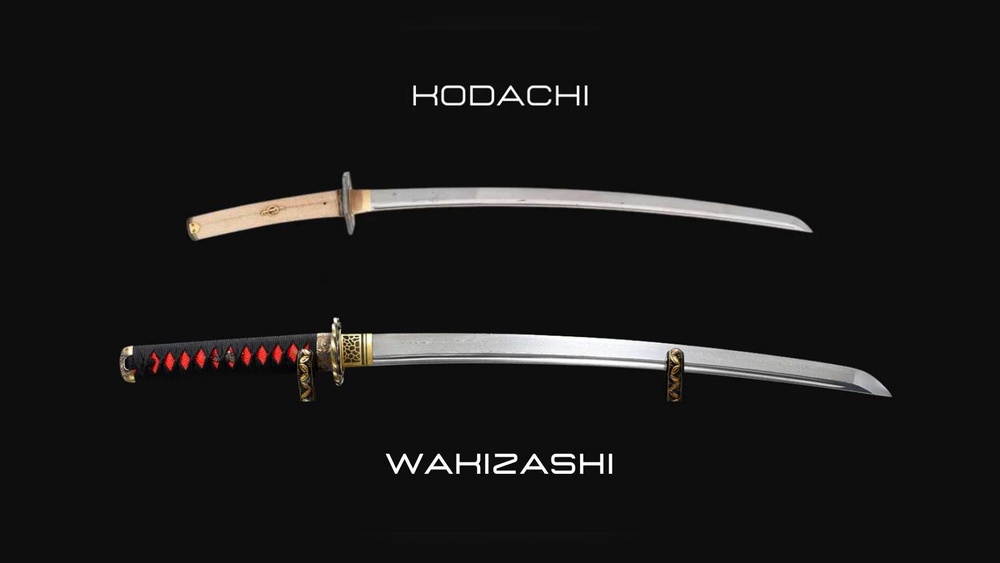
The clash of steel in feudal Japan was more than just the sound of swords; it was the echo of culture, status, and mastery. Among the diverse arsenal of Japanese blades, the Kodachi and Wakizashi stand out for their distinctive forms and legendary roles. These short swords, both renowned for their compact size and agility, were wielded by samurai, bodyguards, and even nobles. Yet, despite their surface similarities, the kodachi and wakizashi were designed with unique philosophies, tactical applications, and cultural connotations.
Exploring the kodachi versus wakizashi debate is like peeling back layers of Japanese history. Each blade is a reflection of its era, one born in the tumultuous Kamakura period, the other maturing alongside the iconic katana. Whether you are a martial artist, collector, or simply a fan of samurai lore, understanding the nuanced differences between these swords provides a window into centuries-old traditions and tactics.
This guide examines the origins, technical features, battlefield roles, and cultural symbolism of both blades, drawing clear lines between myth and reality.
Key Takeaways
- The kodachi and wakizashi are both traditional Japanese short swords but differ significantly in origin, dimensions, and role.
- Kodachi predates the wakizashi and was often used as a primary weapon for children or as a companion to the tachi, while the wakizashi was primarily a samurai’s sidearm paired with the katana.
- Technical distinctions in blade length, curvature, and mounting set these swords apart and influence their combat applications.
- Both swords carry cultural significance, appearing in historical texts, martial arts, and modern media, with the wakizashi becoming integral to the samurai’s identity.
- Real-world examples and expert perspectives show how each sword was used in practice, both on and off the battlefield.
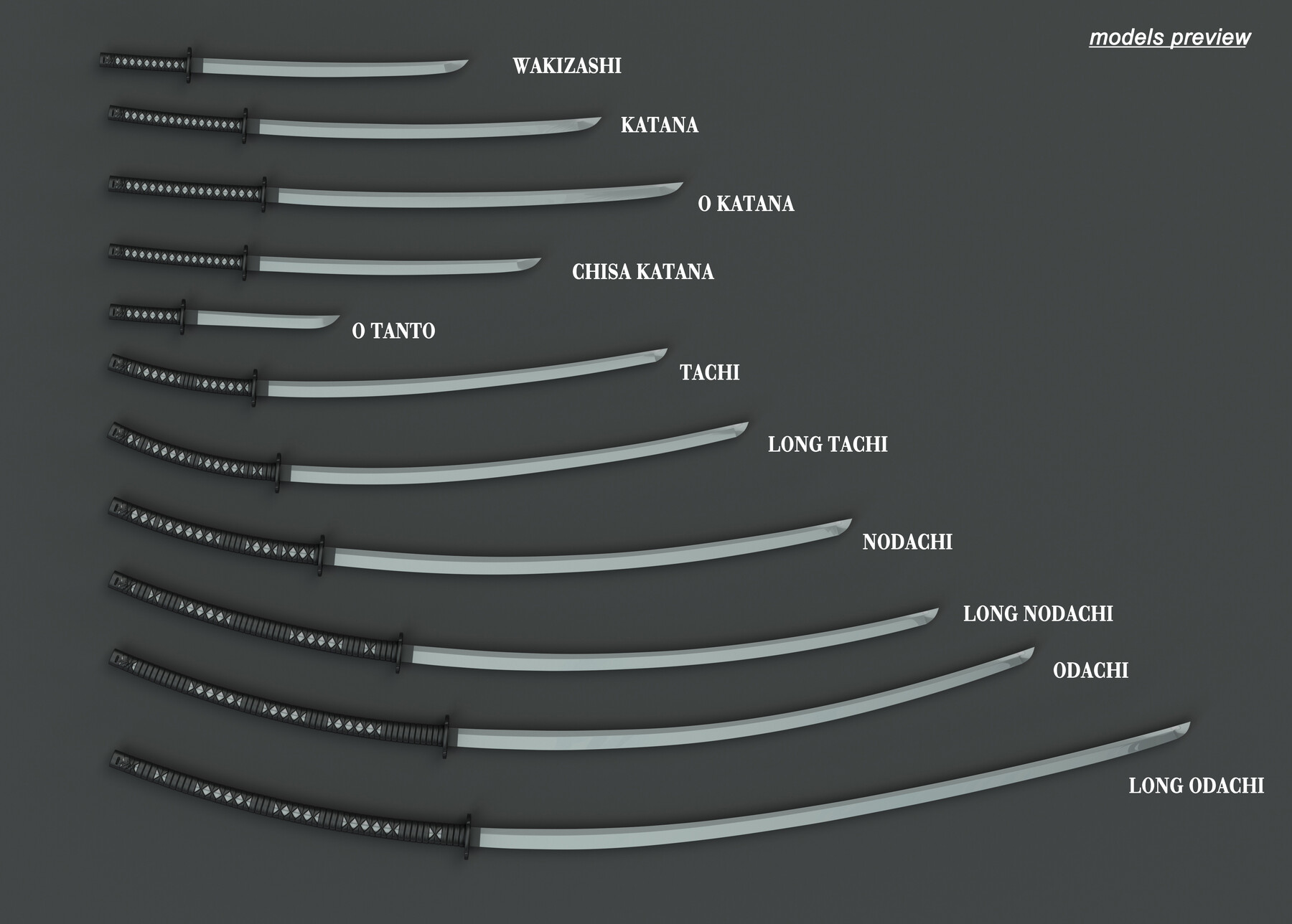
Credit: www.artstation.com
Historical Origins And Evolution
Kodachi: The Ancient Companion
The kodachi, meaning “small tachi”, emerged during the Kamakura period (1185, 1333), a time marked by the rise of the samurai class and the development of new martial technologies. Kodachi were produced predominantly by swordsmiths in the Yamato tradition, primarily as a scaled-down version of the tachi. Unlike the later wakizashi, the kodachi was not standardized in length and often ranged from 60 to 70 centimeters (23.6 to 27.6 inches).
Kodachi were typically worn edge-down, suspended from the belt, mirroring the tachi’s mounting style. Their design was tailored for close-quarters combat, making them suitable for younger warriors, women, or those of smaller stature who could not wield the longer tachi effectively.
The kodachi’s prominence declined by the end of the Kamakura period as warfare evolved and other sidearms gained popularity.
Wakizashi: The Samurai’s Trusted Sidearm
The wakizashi rose to prominence in the Muromachi period (1336, 1573) and became inseparably linked to the samurai class during the Edo period (1603, 1868). Its name means “side insertion,” referencing the way it was worn, thrust through the belt with the edge facing upward, ready for a quick draw. The wakizashi typically measured 30 to 60 centimeters (11.8 to 23.6 inches), making it shorter than the kodachi.
Unlike the kodachi, the wakizashi was not a child’s weapon but a backup blade, always paired with the katana to form the daishō, a symbol of samurai status. The wakizashi was indispensable: samurai were required to leave their katana at the entrance of homes and castles, but they could keep their wakizashi, making it the weapon of choice for indoor defense and ritual suicide (seppuku).
Shifting Roles Through The Ages
While both swords experienced periods of widespread use, their roles evolved alongside changes in armor, battlefield tactics, and social hierarchy. The kodachi faded from mainstream use as the tachi was supplanted by the katana, and the wakizashi assumed the critical role of a samurai’s constant companion.
| Feature | Kodachi | Wakizashi |
|---|---|---|
| Period of Origin | Kamakura (1185, 1333) | Muromachi (1336, 1573) |
| Primary Use | Companion to tachi, youth weapon | Samurai sidearm, paired with katana |
| Mounting Style | Edge down (tachi style) | Edge up (katana style) |
| Status Symbol | Limited | High (part of daishō) |
Technical Specifications And Construction
Blade Length And Profile
The most obvious distinction between the kodachi and wakizashi lies in their length and curvature. Kodachi blades typically measure 60, 70 cm, while wakizashi blades fall between 30, 60 cm. Kodachi generally have a pronounced curve, emulating the tachi, whereas the wakizashi’s curvature is subtler, matching the katana for easier paired use.
- Kodachi: Longer, more curved, single-edged.
- Wakizashi: Shorter, less curved, designed for quick draw.
Mounting And Fittings
Kodachi are mounted in the tachi style, with the blade suspended edge down. This reflects their role as a secondary battlefield weapon. Wakizashi are mounted in the katana style, thrust through the obi (belt) with the edge up, facilitating the fast-draw technique known as iaijutsu.
Materials And Craftsmanship
Both swords are forged using traditional Japanese techniques, involving folded steel (tamahagane) and differential hardening for a resilient yet razor-sharp edge. However, as the wakizashi became standardized, it benefited from more consistent quality and ornamentation, particularly during the peace of the Edo period.
Weight And Balance
Kodachi, due to their longer blade, are slightly heavier and have a more forward balance. Wakizashi, being lighter and more compact, offer superior maneuverability in confined spaces.
| Specification | Kodachi | Wakizashi |
|---|---|---|
| Blade Length | 60, 70 cm | 30, 60 cm |
| Curvature | Pronounced | Mild |
| Weight | 650, 900 grams | 500, 800 grams |
| Mounting | Tachi style | Katana style |
| Standardization | Low | High |
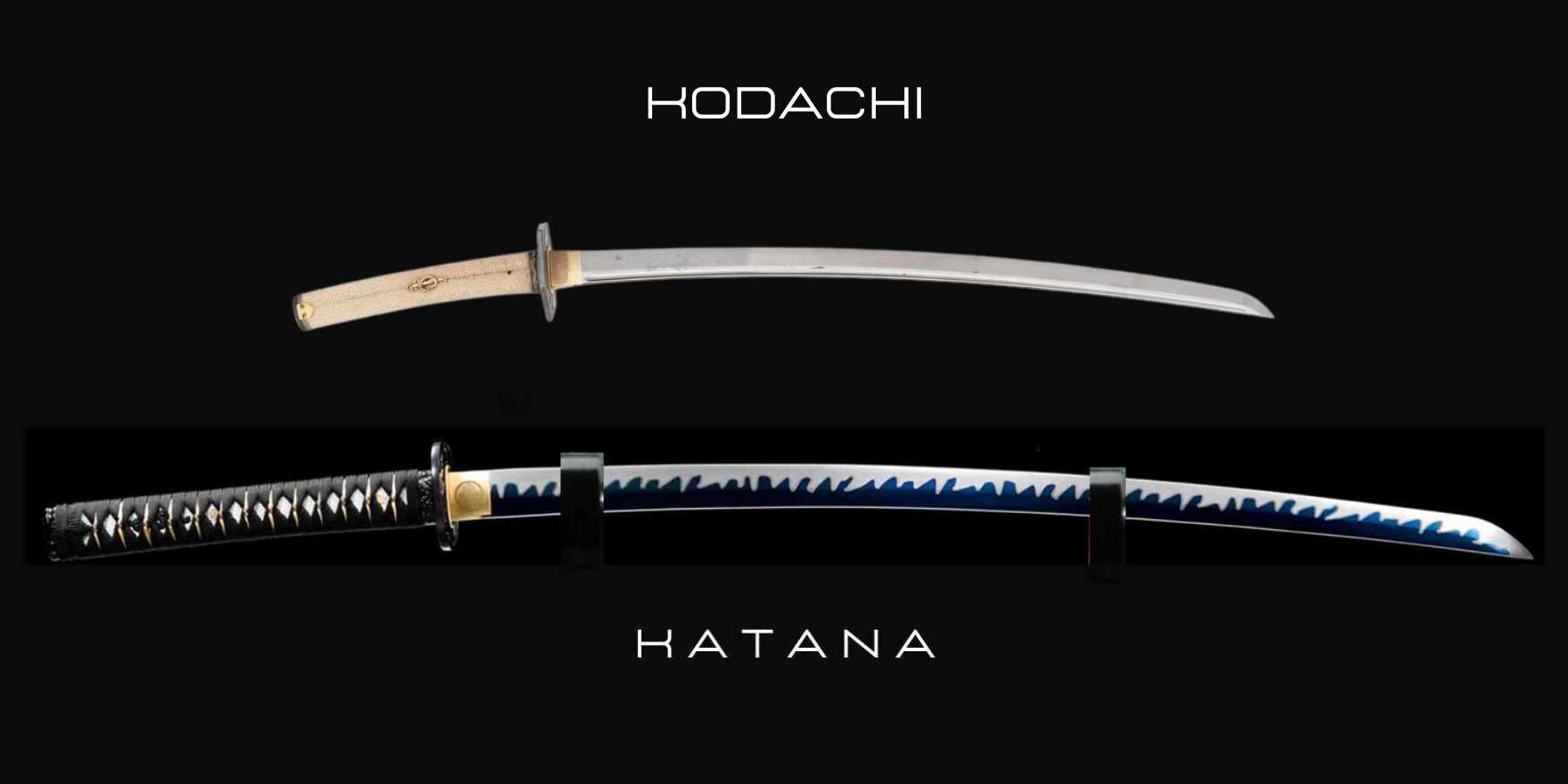
Credit: katana.store
Combat Applications And Techniques
Kodachi In Battle
The kodachi’s longer reach and curve made it effective for mounted combat and as a backup to the tachi. Its design allowed for powerful slashing attacks, especially against lightly armored foes. Kodachi were also favored for their speed and ease of use, making them ideal for younger warriors or those needing a lighter weapon.
Wakizashi: Close-quarters Excellence
The wakizashi’s compact size and straight mounting made it superior for indoor combat and self-defense in tight spaces, such as castle corridors or urban environments. Samurai developed specialized techniques for wielding the wakizashi single-handedly, often incorporating grappling, parrying, and quick-draw strikes.
- Iaijutsu: Drawing and cutting in a single motion.
- Dual-wielding (Niten Ichi-ryū): Using katana and wakizashi together, a style famously perfected by Miyamoto Musashi.
Defensive And Ritual Uses
While both swords could serve defensive purposes, the wakizashi held a unique place in samurai etiquette. Samurai would surrender their katana upon entering a building but keep their wakizashi, underscoring its role as a last line of defense. The wakizashi was also the weapon of choice for seppuku, the ritual suicide by disembowelment.
Real-world Example: The 47 Ronin
In the famous story of the 47 Ronin, the wakizashi played a critical role. When the samurai avenged their lord, they carried wakizashi for close-quarters fighting, demonstrating the sword’s practical application in tight, urban environments where a longer katana would be unwieldy. This historical episode is referenced in both academic studies and popular culture, highlighting the wakizashi’s status as a symbol of loyalty and honor.
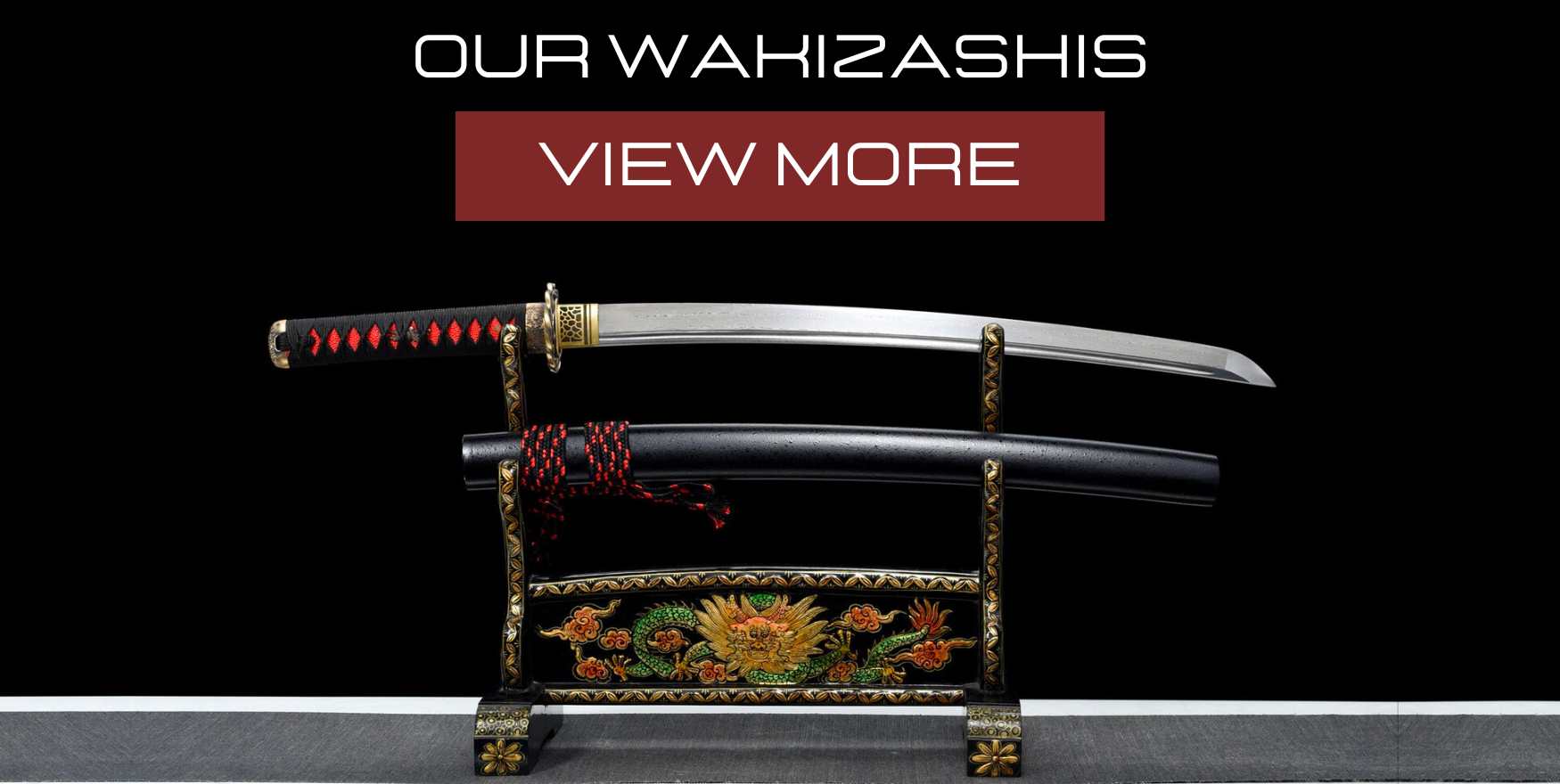
Credit: katana.store
Symbolism, Status, And Cultural Impact
Kodachi: A Blade Of Transition
Kodachi’s cultural significance is tied to its role during the transition from the tachi to the katana-dominated era. It is sometimes seen as a bridge between early and late samurai weaponry, often depicted in historical dramas and literature as the weapon of young warriors or women.
Wakizashi: The Soul Of The Samurai
The wakizashi’s integration into the daishō elevated it to a status symbol. It was not merely a weapon but a legal marker of samurai identity. According to the Tokugawa shogunate’s edicts, only samurai were permitted to wear both the katana and wakizashi, reinforcing class divisions.
- Symbol of trust: Samurai could not enter certain buildings with their katana, but carrying the wakizashi was a gesture of good faith.
- Instrument of seppuku: Wakizashi became synonymous with the ultimate act of honor or penance.
Representation In Art And Media
Both swords have been immortalized in Japanese art, Noh theater, and modern cinema. The wakizashi, in particular, has appeared in international films and anime, often depicted as a weapon of cunning or desperation.
Pro Tip:
If you are considering collecting Japanese swords, authentic kodachi are rarer and often command higher prices due to their historical scarcity and unique craftsmanship.
Comparative Analysis: Key Differences And Similarities
Physical And Functional Distinctions
While both are classified as short swords, the kodachi and wakizashi diverge in almost every technical and functional aspect:
- Length: Kodachi is generally longer.
- Curvature: Kodachi is more curved.
- Mounting: Kodachi follows tachi mounting; wakizashi mirrors katana mounting.
- Intended Use: Kodachi as a primary for youth or secondary for adults; wakizashi as a samurai’s backup.
Overlapping Roles
Despite their differences, there is overlap in function:
- Both served as sidearms.
- Both could be used for self-defense and in ritual contexts.
- Both are crafted with similar metallurgical techniques.
Table: Quick Comparison
| Aspect | Kodachi | Wakizashi |
|---|---|---|
| Blade Length | 60, 70 cm | 30, 60 cm |
| Curvature | More pronounced | Slight |
| Mounting | Edge down | Edge up |
| Historical Use | Youth, secondary | Samurai sidearm |
| Symbolic Role | Transitional | Status and ritual |
| Legal Status | Unrestricted | Restricted to samurai |
Example: Modern Martial Arts Perspective
In my experience training with Japanese martial artists, the wakizashi is often incorporated into contemporary practice, especially in schools such as Iaido and Kenjutsu. The kodachi, however, is seldom taught outside historical reenactment circles, reflecting its niche status today.
Case Study: Display In Museums
The Tokyo National Museum features both kodachi and wakizashi in its permanent collection. Curators emphasize the kodachi’s rarity and its transitional role, while wakizashi exhibits focus on their intricate fittings and association with famous samurai. For more on Japanese swords in museums, see the Tokyo National Museum.
Legal Status And Collecting Today
Ownership Laws In Japan And Abroad
In modern Japan, ownership of authentic swords is tightly regulated. The Japanese Sword and Firearm Control Law requires registration and permits for historical blades, and only certified swordsmiths may produce new examples. Wakizashi, due to their status as part of the daishō, are more commonly found in collections, while kodachi are rare and often held in museums.
Collecting Tips
- Provenance: Always verify a sword’s lineage and authenticity. Kodachi are frequently misidentified due to their similarity to early wakizashi.
- Preservation: Both swords require careful maintenance to prevent rust and preserve the hamon (temper line).
- Market Value: Wakizashi are more accessible and affordable, but kodachi can command premium prices due to scarcity.
Example: Auction Trends
Recent auctions at Christie’s and Bonhams have seen kodachi fetch higher prices per centimeter compared to wakizashi, underscoring their rarity and desirability among collectors. For more information on sword auctions, visit the Christie’s Arms & Armour page.
Legal Cautions
- Export restrictions: Many countries restrict the import or export of antique swords.
- Reproductions: Modern replicas are widely available, but lack historical value.
Modern Relevance: Martial Arts, Media, And Pop Culture
Martial Arts Training
While the kodachi is seldom used outside of historical study, the wakizashi remains a staple in several martial arts:
- Iaido: Focuses on drawing and cutting, often with both katana and wakizashi.
- Kenjutsu: Some schools teach dual-wielding techniques.
- Kendo: Uses shinai (bamboo swords) but occasionally references wakizashi tactics.
Appearances In Film And Anime
The wakizashi appears frequently in samurai films, such as Akira Kurosawa’s classics, and in anime like Rurouni Kenshin, where characters use the sword for indoor duels or as a backup weapon. The kodachi, though less visible, features in period dramas depicting early samurai history.
Cultural Festivals And Reenactments
Japanese festivals often showcase swordsmanship demonstrations. Enthusiasts display both kodachi and wakizashi, with commentary on their respective roles. The Gion Matsuri in Kyoto is one event where traditional weapons are exhibited.
Example: Influence On Video Games
Games such as Ghost of Tsushima and Sekiro: Shadows Die Twice integrate both swords, albeit sometimes with creative liberties. Wakizashi are often depicted as stealth weapons, while kodachi are associated with agility and speed.
Frequently Asked Questions
What Is The Main Difference Between A Kodachi And A Wakizashi?
The primary difference lies in their origin, length, and intended use. The kodachi is an older, longer short sword typically worn edge-down and used as a companion to the tachi or by youths. The wakizashi is shorter, worn edge-up with the katana, and became the samurai’s legal sidearm and status symbol.
Can A Wakizashi Be Used For Seppuku, And Was The Kodachi Ever Used In This Ritual?
The wakizashi was traditionally used for seppuku due to its manageable size and sharpness, which allowed for the ritual’s requirements. Kodachi, while capable of inflicting mortal wounds, was not typically used for seppuku due to its length and mounting, which made the ritual more difficult to perform.
Are Kodachi And Wakizashi Used In Modern Martial Arts Practice?
Wakizashi are commonly used in iaido, kenjutsu, and other Japanese sword arts, especially in techniques involving dual wielding or indoor defense. Kodachi, being rare and less standardized, are mainly studied in historical or academic contexts rather than regular martial arts practice.
How Can Collectors Distinguish An Authentic Kodachi From An Early Wakizashi?
Authentic kodachi typically feature a longer blade (over 60 cm), a pronounced curve, and are mounted in the tachi style (edge down). Early wakizashi may be similar in appearance, but their mounting and blade geometry, along with recorded provenance, can help experts identify the type. Consulting a certified appraiser or museum specialist is recommended for accurate identification.
What Is The Legal Status Of Owning Kodachi Or Wakizashi Outside Japan?
Ownership laws vary by country. In the United States, antique swords (over 100 years old) are generally legal to own, but local regulations may apply. Some countries, such as the UK and Australia, have stricter controls on importing or possessing bladed weapons. Always check local laws and obtain necessary permits before acquiring either sword.
The kodachi and wakizashi are more than mere weapons, they are artifacts of a complex culture, embodying the values, traditions, and innovations of their time. Whether viewed through the lens of history, martial arts, or art, each sword tells a unique story.
Understanding their differences and shared heritage enriches not only our appreciation of Japanese craftsmanship but also our insight into the social fabric of feudal Japan. For anyone seeking to study, collect, or simply admire these iconic blades, the journey is as rewarding as it is fascinating.