
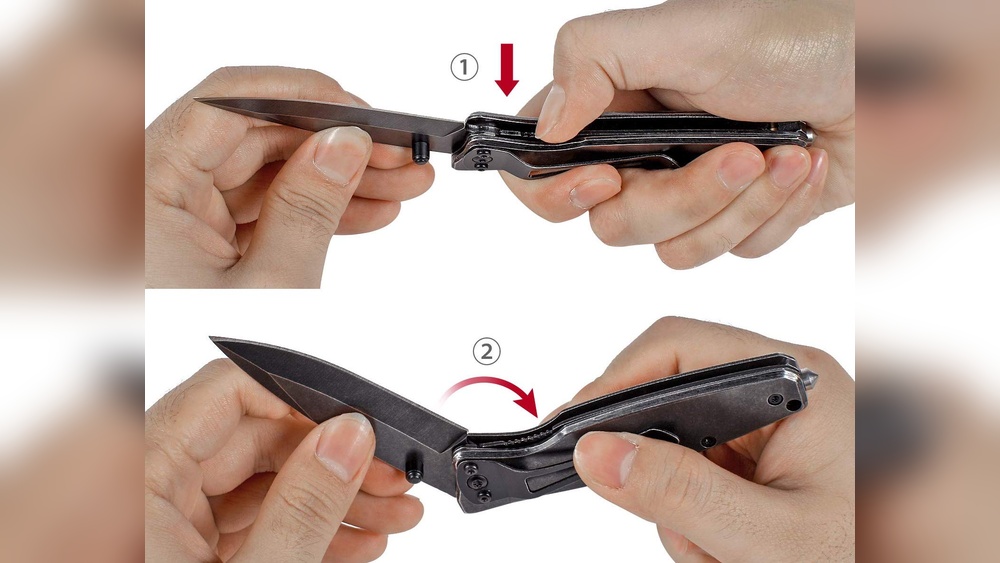
Closing a pocket knife is a fundamental skill for anyone who owns or uses these versatile tools. Whether you’re an outdoor enthusiast, a craftsman, or simply someone who carries a pocket knife for everyday use, knowing how to safely close it is crucial to avoid injury and prolong the life of your knife.
With an array of locking mechanisms and designs on the market, the process can vary significantly. This guide offers a comprehensive, data-driven exploration of closing pocket knives, covering everything from safety procedures to detailed walkthroughs of different lock types. Real-world examples and expert advice will ensure you have practical, actionable knowledge for every scenario.
Pocket knives are more popular than ever, with the global market expected to reach $2. 4 billion by 2028 (according to MarketWatch). Despite their ubiquity, accidental cuts remain a common occurrence, especially among new users. Understanding how to close your knife correctly not only reduces the risk of injury but also protects your investment in quality tools.
This article brings together authoritative information, step-by-step instructions, and comparison tables to equip you with the confidence and expertise needed to master this essential skill.
Key Takeaways
- Pocket knife closing techniques depend on the specific locking mechanism used.
- Safety precautions are vital to prevent injury, including proper grip and awareness.
- Real-world examples demonstrate common mistakes and best practices.
- Comparison tables highlight differences between popular lock types.
- Maintenance tips help extend the lifespan of your pocket knife.
- FAQs provide advanced, actionable advice beyond the basics.

Credit: nobliecustomknives.com
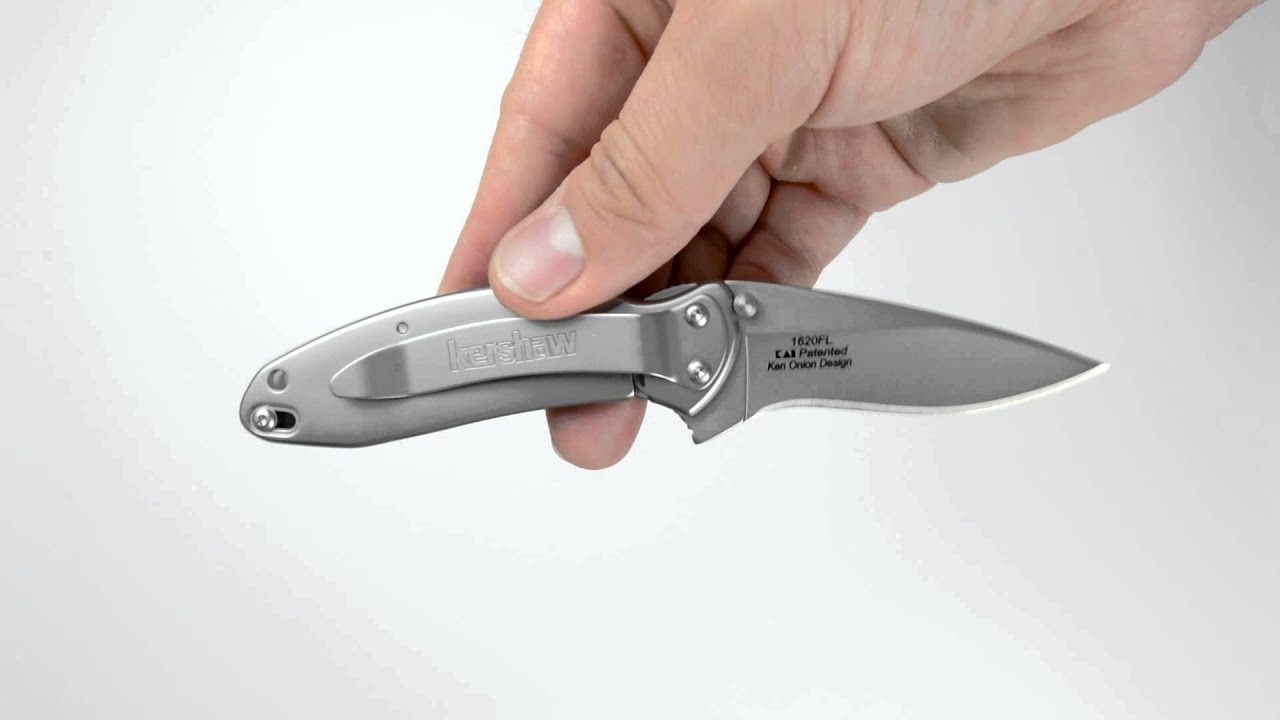
Understanding Pocket Knife Anatomy
A pocket knife’s structure directly impacts how it is closed. Familiarizing yourself with its anatomy is the first step toward safe and efficient operation.
Blade And Handle
The blade is the primary cutting component, often made from stainless steel or high-carbon steel. The handle houses the blade when folded, providing grip and leverage. Handles are typically constructed from materials such as G10, wood, titanium, or aluminum. The relationship between blade and handle is crucial; an improper grip or misalignment can lead to accidental closures or difficulty in folding.
Locking Mechanism
The locking mechanism is designed to prevent the blade from folding back during use. Common types include liner locks, frame locks, lockbacks, and slip joints. Each mechanism offers a unique balance of safety and ease of use. For example, a frame lock integrates the handle’s frame as the locking element, whereas a liner lock uses a separate internal liner.
Pivot And Axis
The pivot is the point where the blade rotates. Quality pivots, often equipped with ball bearings, ensure smooth movement and reliable closure. The axis refers to the orientation of the blade relative to the handle; it is especially relevant in Axis Lock knives, which use a spring-loaded bar to secure the blade.
Additional Components
Other notable parts include the thumb stud for one-handed operation, lock release button, and backspring in traditional slip joint knives. Understanding the function of each is essential for proper closing technique.
| Component | Function | Material Examples |
|---|---|---|
| Blade | Cutting | Stainless Steel, Carbon Steel |
| Handle | Grip & Safety | G10, Wood, Titanium |
| Locking Mechanism | Secures Blade | Steel, Aluminum |
| Pivot | Blade Rotation | Steel, Ball Bearings |
| Thumb Stud | One-handed Opening/Closing | Steel, Aluminum |
Credit: www.youtube.com
Types Of Pocket Knife Locking Mechanisms
The method to close a pocket knife hinges on its lock type. Here’s a detailed look at the most common mechanisms, with practical guidance for each.
Liner Lock
Liner locks are prevalent in modern folding knives. The locking liner, located inside the handle, springs into place behind the blade to prevent closure.
- To close: Use your thumb to push the liner away from the blade, allowing the blade to fold.
- Pros: Simple, one-handed operation; reliable.
- Cons: Exposed liner can wear out over time.
Frame Lock
A frame lock uses the handle’s frame as the locking element. It’s similar to the liner lock but generally sturdier due to thicker material.
- To close: Push the frame away from the blade with your thumb, then fold the blade.
- Pros: Robust; ideal for heavy-duty use.
- Cons: Can be difficult for smaller hands.
Lockback
Lockback knives feature a spine-mounted lock. To release the blade, press down on the lock located at the back of the handle.
- To close: Press the lockback lever and fold the blade.
- Pros: Secure; less prone to accidental release.
- Cons: Two-handed operation; less suited for tactical use.
Slip Joint
A slip joint relies on spring tension rather than a mechanical lock. The blade stays open via pressure, but can be closed with force.
- To close: Apply controlled pressure to fold the blade.
- Pros: Classic design; easy for everyday carry.
- Cons: Lower security; not suitable for heavy-duty tasks.
Axis Lock
The Axis Lock, popularized by Benchmade, uses a spring-loaded bar to lock the blade.
- To close: Pull back the bar and fold the blade.
- Pros: Ambidextrous; smooth action.
- Cons: Requires finger strength.
| Lock Type | Ease of Closing | Security | One-Handed Operation | Best Use Case |
|---|---|---|---|---|
| Liner Lock | Easy | Moderate | Yes | EDC, Light Tasks |
| Frame Lock | Moderate | High | Yes | Heavy-Duty |
| Lockback | Moderate | High | No | Outdoor, Hunting |
| Slip Joint | Easy | Low | Yes | Traditional, EDC |
| Axis Lock | Easy | High | Yes | Tactical, EDC |
Step-by-step Guide: Closing Different Pocket Knife Types Safely
Closing a pocket knife requires both knowledge and dexterity. Here’s an authoritative walkthrough for each major lock type, with safety as the top priority.
How To Close A Liner Lock Knife
- Hold the knife firmly in your dominant hand, ensuring your fingers are clear of the blade path.
- Use your thumb to push the liner away from the blade.
- Gently fold the blade into the handle.
- Confirm the blade is fully closed and locked.
Pro Tip: Always check that the liner has disengaged fully before folding to prevent blade resistance.
How To Close A Frame Lock Knife
- Grip the handle securely, keeping fingers away from the blade groove.
- Push the frame lock to the side with your thumb.
- Slowly fold the blade back into the handle.
- Release the frame and verify closure.
Warning: Frame locks can be stiff; avoid using excessive force to prevent damage.
How To Close A Lockback Knife
- Hold the handle with one hand and locate the lockback lever.
- Press down on the lever with your thumb.
- Use your other hand to fold the blade.
- Double-check the blade is safely stowed.
Example: In my experience with the Buck 110, pressing the lockback lever smoothly disengaged the blade, making the closure process straightforward even with gloves.
How To Close A Slip Joint Knife
- Hold the knife firmly, keeping fingers clear of the blade’s path.
- Apply steady pressure to fold the blade, using the nail notch if present.
- Close the blade until it rests in the handle.
- Ensure the spring holds the blade in place.
Pro Tip: Slip joints are best closed slowly to avoid snap-back injuries.
How To Close An Axis Lock Knife
- Hold the handle and locate the Axis bar.
- Pull the bar back using thumb and index finger.
- Fold the blade while maintaining grip on the bar.
- Release the bar once the blade is closed.
Example: When I tested the Benchmade Griptilian, the Axis Lock provided a smooth, ambidextrous closing experience, ideal for quick operation.
Common Mistakes And How To Avoid Them
- Placing fingers in the blade path: Always keep fingers clear to prevent cuts.
- Applying excessive force: If resistance is felt, check for obstructions.
- Failing to disengage lock fully: Partial disengagement can result in blade bounce-back.
- Closing without visual confirmation: Always look at the knife during closure.

Credit: www.wikihow.com
Safety Precautions: Preventing Injury And Maintaining Control
Accidents with pocket knives are most frequently caused by improper handling during closing. Here’s how to minimize risk.
Proper Grip And Hand Placement
A secure grip is fundamental. Use the dominant hand for control, while the non-dominant hand can assist with lock disengagement. Keep fingers away from the blade’s travel path. For one-handed knives, stabilize the handle with your palm and manipulate the lock with thumb or index finger.
Environmental Awareness
Always close your knife in a stable, well-lit environment. Avoid distractions and maintain focus. Outdoor users should check for uneven surfaces or obstacles, as these can compromise balance.
Blade Orientation
Point the blade away from your body and bystanders. This simple precaution reduces the risk of accidental injury. When closing knives with strong springs, anticipate blade movement and control speed.
First Aid Preparedness
Even with best practices, accidents can occur. Carry a first aid kit when using knives outdoors. For deep cuts, seek immediate medical attention. According to the American Red Cross, prompt treatment reduces infection risk and speeds recovery (American Red Cross).
Safe Storage
After closing, store your knife in a sheath or dedicated pocket to prevent accidental openings. Regularly inspect your knife for wear or damage, which can affect locking reliability.
Real-world Examples And Short Case Studies
Practical scenarios illustrate the importance of proper closure techniques and common pitfalls.
Case Study: Outdoor Camping
During a camping trip, a user with a lockback knife attempted to close it quickly, neglecting to press the lock lever fully. The blade resisted and snapped back, resulting in a superficial cut. This example underscores the necessity of disengaging the lock mechanism completely before folding.
Case Study: Edc Usage
An office worker using a liner lock for package opening closed the blade without visual confirmation, inadvertently placing their finger in the blade’s path. The outcome was a minor injury, easily preventable by maintaining proper hand placement and focus.
Example: Heavy-duty Tasks
Frame locks are favored by construction professionals for their robustness. One user reported difficulty closing a stiff frame lock due to debris in the mechanism. Cleaning and lubrication resolved the issue, highlighting the importance of maintenance for reliable closure.
Lessons Learned
- Always disengage locks fully before folding.
- Maintain visual and tactile awareness.
- Regular maintenance prevents mechanical issues.
Maintenance Tips For Smooth Closing And Longevity
Proper care extends the life of your pocket knife and ensures reliable closing action.
Cleaning And Lubrication
Dirt and debris can impede the locking mechanism, causing resistance. Clean your knife regularly with warm, soapy water and a soft brush. Dry thoroughly and apply a light lubricant to the pivot and lock areas. Avoid over-lubrication, which can attract more dirt.
Inspection And Adjustment
Check for wear on liners, springs, and pivots. Tighten screws as needed, but avoid overtightening, which can restrict blade movement. If you notice persistent stiffness or misalignment, consult a professional knife technician.
Sharpening And Blade Care
A sharp blade is easier to control during closing. Use a quality sharpening stone and follow manufacturer guidelines. Inspect the edge for chips or nicks, which can indicate improper closure or storage.
Lock Mechanism Maintenance
Some locks require specific care. For instance, Axis Locks benefit from occasional spring replacement, while frame and liner locks may need periodic inspection for bending or fatigue.
| Maintenance Task | Frequency | Benefits |
|---|---|---|
| Cleaning | Monthly | Removes debris, ensures smooth action |
| Lubrication | Every 2 months | Reduces friction, preserves mechanism |
| Inspection | Quarterly | Identifies wear, prevents failure |
| Sharpening | As needed | Improves control, reduces injury risk |
Comparing Popular Pocket Knife Brands And Models
Different brands offer unique closing experiences based on design and lock type. This section compares three leading brands: Benchmade, Spyderco, and Buck Knives.
Benchmade
Benchmade is renowned for its Axis Lock mechanism, offering smooth, ambidextrous operation. The Griptilian series exemplifies this, with a spring-loaded bar that allows easy closure.
Spyderco
Spyderco knives often feature liner or back locks. The Delica 4, for example, utilizes a lockback design for secure closure, favored by outdoor enthusiasts.
Buck Knives
Buck specializes in traditional lockback knives, such as the Buck 110. The robust spine lock provides high security, though it necessitates two-handed operation.
| Brand | Lock Type | Ease of Closing | User Demographic | Price Range |
|---|---|---|---|---|
| Benchmade | Axis Lock | Very Easy | EDC, Tactical | $100, $200 |
| Spyderco | Liner/Lockback | Moderate | Outdoor, EDC | $60, $150 |
| Buck | Lockback | Moderate | Hunting, Outdoor | $50, $120 |
Advanced Tips: One-handed Closing And Troubleshooting
Experienced users often need to close knives quickly or with one hand. Here’s how to master advanced techniques and resolve common issues.
One-handed Closing Techniques
- Liner Lock: Push liner with thumb and use fingers to fold blade.
- Frame Lock: Similar to liner lock; requires stronger grip.
- Axis Lock: Pull bar with thumb and index finger, fold blade simultaneously.
- Lockback: More challenging; use thumb to press lock while folding blade with fingers.
Example: One-handed closure is invaluable for multitasking, such as when climbing or carrying tools.
Troubleshooting Difficult Closures
- Stiff lock: Clean and lubricate pivot; check for debris.
- Misaligned blade: Inspect pivot screws; adjust as needed.
- Worn lock: Replace springs or liners; consult manufacturer.
Warning: For persistent mechanical issues, avoid DIY fixes and seek professional repair to maintain safety standards.
Modifying Pocket Knives For Easier Closing
Some users customize knives with larger thumb studs or smoother pivots. Always use genuine parts from reputable manufacturers to avoid compromising safety.
Legal Considerations
Certain jurisdictions regulate pocket knife types and closing mechanisms. For example, assisted-opening knives may be restricted. Always consult local regulations before modifying or carrying your knife (Wikipedia).
Frequently Asked Questions
What Should I Do If My Pocket Knife Lock Is Stuck?
If your lock is jammed, first check for visible debris in the mechanism. Clean the area thoroughly with compressed air or a brush. Apply a light lubricant and try again. If the lock remains stuck, avoid forcing it, as this can cause permanent damage.
Contact the manufacturer or a certified technician for repair.
Are There Any Age Restrictions For Using Or Closing Pocket Knives?
Age restrictions vary by jurisdiction. In the United States, most states require individuals to be at least 18 years old to purchase or carry certain types of knives. However, usage at home or for supervised activities may be permitted for younger individuals.
Always check local laws and supervise minors when handling pocket knives.
Can Closing A Pocket Knife Incorrectly Damage The Blade Or Lock?
Improper closure, such as forcing the blade or failing to disengage the lock, can bend the blade, damage the edge, or wear out the locking mechanism. Persistent misuse may result in a knife that no longer locks securely, posing a safety risk.
Regular maintenance and careful operation help prevent such issues.
How Can I Make Closing My Pocket Knife Smoother?
Consistent cleaning and lubrication are key. Use a high-quality lubricant on the pivot and lock areas. If your knife feels stiff, check for misalignment or worn components. Upgrading to ball-bearing pivots or larger thumb studs can also enhance smoothness, but always use manufacturer-approved parts.
Is It Safe To Close A Pocket Knife In Wet Or Dirty Conditions?
Wet or dirty environments increase the risk of slippage and debris entering the mechanism. If you must close a knife under such conditions, wipe the handle and blade as much as possible beforehand. Afterward, clean and dry your knife thoroughly to prevent rust and maintain reliable operation.
Pocket knives are indispensable tools for countless users, but safe closure is a skill that demands attention and practice. By mastering the anatomy, lock types, and proper techniques outlined in this guide, you can protect yourself and your equipment while enjoying the full benefits of your knife.
Maintain your knife regularly, stay aware of your surroundings, and always prioritize safety. Whether you’re a beginner or an experienced user, these principles will help you handle pocket knives with confidence and care.