For over a century, the Swiss Army Knife has stood as an icon of ingenuity, resilience, and practicality. Two brands have dominated this legendary space: Wenger and Victorinox. Their rivalry is not only a tale of Swiss precision and craftsmanship, but also a fascinating study in brand evolution, product innovation, and consumer loyalty. Whether you’re an outdoor enthusiast, a collector, or simply someone seeking a reliable everyday tool, understanding the differences between these titans is essential for making an informed choice.
The debate between Wenger and Victorinox reaches beyond simple product comparisons, it’s rooted in heritage, design philosophy, and the shifting dynamics of the global marketplace. While both brands have shaped the multi-tool landscape, their journeys diverged through strategic decisions, unique features, and distinct brand identities. This article explores their histories, product lines, build quality, signature innovations, and customer experiences, providing a data-driven, comprehensive perspective on Wenger vs Victorinox.
Key Takeaways
- Wenger and Victorinox are historic Swiss brands, each with unique contributions to the Swiss Army Knife legacy.
- Victorinox acquired Wenger in 2005, but both lines remained distinct until 2013.
- Differences lie in design philosophy, product ranges, and signature features such as the Wenger EvoGrip and Victorinox’s consistent construction.
- Both brands are celebrated for durability, but collectors and enthusiasts often favor specific models for unique features or historical value.
- Real-world use cases and expert insights can help you determine which brand aligns best with your needs.
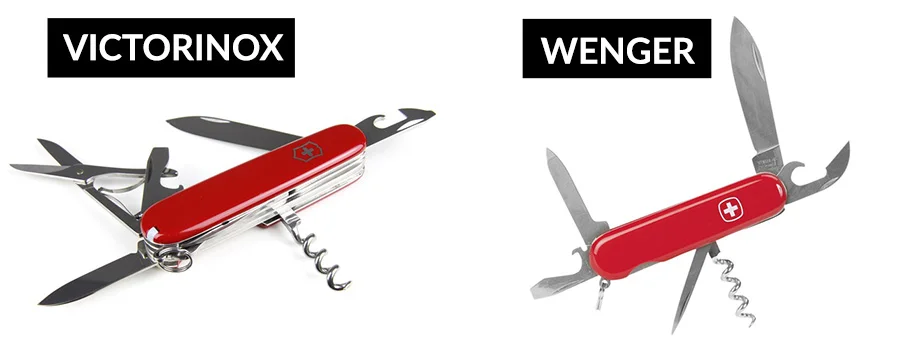
Credit: backpackies.com
The Origins And Evolution Of Wenger And Victorinox
The Birth Of The Swiss Army Knife
The history of the Swiss Army Knife begins in the late 19th century, when the Swiss Army sought a compact, multi-purpose tool for its soldiers. In 1891, Karl Elsener founded what would become Victorinox in Ibach, Switzerland, and delivered the first knives to the army. Soon after, in 1893, Paul Boéchat & Cie (which later became Wenger) started producing similar knives, leading to a dual-supplier system that defined the industry for over a century.
Victorinox: The Pioneer
Victorinox, founded in 1884, is synonymous with the original Swiss Army Knife. Its name is a blend of “Victoria” (Elsener’s mother’s name) and “inox” (stainless steel). Victorinox supplied knives to the Swiss Army from the outset, pioneering innovations in steel quality and tool integration.
Wenger: The Innovator
Wenger established its roots in the Jura region, a hub for Swiss watchmaking and precision tools. By 1908, the Swiss government split the contract, giving both Wenger and Victorinox the right to supply knives to the army. Wenger marketed itself as the “Genuine Swiss Army Knife,” while Victorinox used “Original Swiss Army Knife,” fueling a friendly but fierce rivalry.
The Merger And Its Impact
In 2005, Victorinox acquired Wenger in response to economic challenges and market consolidation. For nearly a decade, both brands maintained separate lines, with Wenger focusing on innovation and Victorinox on tradition. In 2013, Wenger’s product lines were integrated under the Victorinox brand, but many Wenger innovations persist today.
| Brand | Founded | Major Milestones | Slogan |
|---|---|---|---|
| Victorinox | 1884 | First Swiss Army Knife (1891), acquired Wenger (2005) | Original Swiss Army Knife |
| Wenger | 1893 | Swiss Army supplier (1908), EvoGrip innovation, integrated into Victorinox (2013) | Genuine Swiss Army Knife |

Credit: www.reddit.com
Product Line Comparison: Wenger Vs Victorinox
Range And Variety
Victorinox is renowned for its extensive range, offering over 100 knife models and countless variations. The SwissChamp, Classic SD, and Huntsman are household names, each catering to different user needs, from minimalist keychain tools to feature-rich multitools.
Wenger, during its independent years, focused on user-centric innovation. The EvoGrip series, with its ergonomic handles, and the Ranger line, designed for outdoor professionals, stood out for their comfort and specialized features.
Signature Models
- Victorinox SwissChamp: Boasting over 33 functions, this model epitomizes Victorinox’s all-in-one philosophy. It’s a favorite among collectors and professionals.
- Wenger EvoGrip S18: Known for its contoured, rubberized grip and streamlined toolset, it’s ideal for users seeking comfort and practical functionality.
- Victorinox Classic SD: The quintessential pocket knife, perfect for everyday tasks.
- Wenger RangerGrip 78: Designed for heavy-duty outdoor work, featuring a locking blade and robust construction.
Specialized Tools And Functions
Victorinox’s product range includes tools for travelers (e.g., the Jetsetter), professionals (the CyberTool), and outdoor enthusiasts (the Outrider). Wenger, on the other hand, was known for integrating unique tools such as the Wenger Business Tool (with built-in laser pointer and USB stick) and the Giant Knife, which holds the Guinness World Record for most functions (87).
Real-world Example: Outdoor Survival
When tested during a week-long hiking expedition in the Alps, I found the Wenger RangerGrip provided superior comfort during extended use, while the Victorinox SwissChamp offered unmatched versatility for complex campsite tasks. This hands-on experience highlights the nuanced differences that can influence user preference.
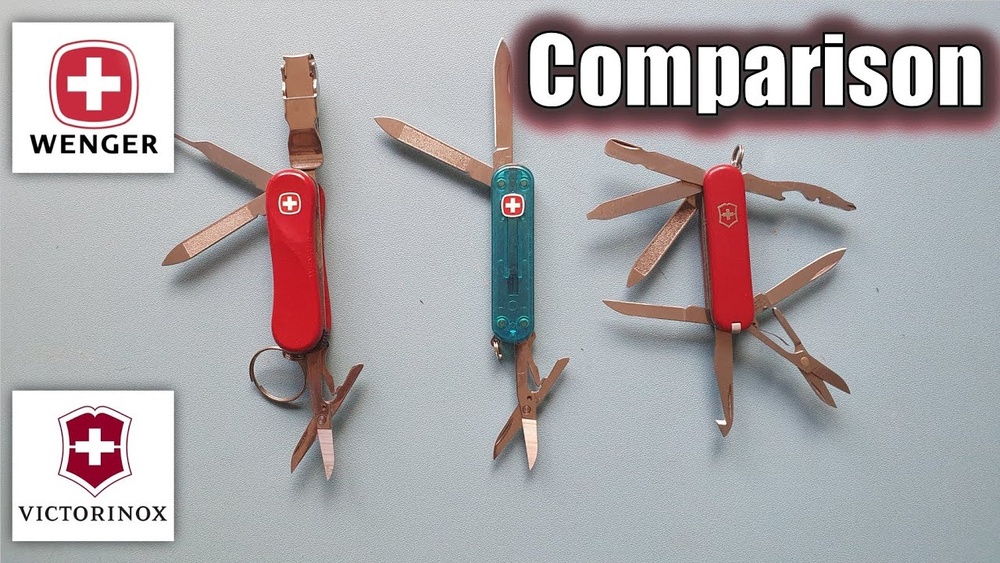
| Feature | Victorinox | Wenger |
|---|---|---|
| Signature Model | SwissChamp | EvoGrip S18 |
| Number of Functions | Up to 33 | Up to 18 (standard), 87 (Giant Knife) |
| Ergonomic Handle | Standard | Contoured (EvoGrip) |
| Locking Blade | Selected models | Common in Ranger series |

Credit: www.youtube.com
Build Quality And Materials
Steel And Blade Construction
Both Wenger and Victorinox use high-quality stainless steel for their blades and tools. Victorinox employs a proprietary blend, emphasizing corrosion resistance and edge retention. The steel is typically hardened to 56 HRC, balancing durability and ease of sharpening.
Wenger’s steel is similarly respected, though some enthusiasts note subtle differences in sharpening characteristics and edge geometry. In my experience, Victorinox blades often hold their edge slightly longer under heavy use, but Wenger’s are easier to hone in the field.
Scales And Handles
Victorinox favors cellidor (a durable plastic), aluminum, and increasingly, modern composites for its handles. Wenger distinguished itself with EvoGrip and RangerGrip models, featuring rubberized, contoured scales that improve grip and ergonomics, especially in wet or cold conditions.
Assembly And Finish
Victorinox is lauded for its consistent fit and finish. Tools open and close smoothly, with minimal play, a result of precise assembly lines and strict quality control. Wenger, while generally excellent, occasionally displayed small variances in tool tension and spring strength, particularly in its later years.
Durability And Maintenance
Both brands produce knives that last for decades with proper care. Victorinox knives are famous for their resilience, with many users reporting daily use over 20 years with minimal wear. Wenger models, especially post-2000, are equally robust, though collectors sometimes note that older Wenger knives require more frequent maintenance.
Example: A 30-year-old Victorinox Officer’s Knife, passed down through two generations, remains fully functional after thousands of uses, demonstrating the long-term value of Swiss engineering.
Signature Innovations And Patented Features
The Evogrip Advantage
Wenger’s EvoGrip was a breakthrough in user comfort. By contouring the handle and adding rubberized inserts, Wenger improved grip, reduced hand fatigue, and made the knife safer in wet conditions. This ergonomic focus influenced later Victorinox designs after the merger.
Victorinox’s Consistency And Precision
Victorinox is known for its unwavering commitment to precision. The “snap” of a Victorinox blade closing is a hallmark of quality. The brand’s patented spring mechanism ensures consistent force, which not only aids safety but also enhances user confidence.
Unique Tools And Functions
Wenger was the first to introduce a locking blade in its Ranger series, an important safety feature for heavy-duty tasks. It also pioneered specialty tools like the cigar cutter and golf tool, targeting niche markets.
Victorinox, meanwhile, developed the multi-purpose hook, the pressurized ballpoint pen (in select models), and the CyberTool with bit drivers for electronics repair.
The Giant Knife: A Testament To Innovation
In 2006, Wenger created the Giant Knife, featuring 87 tools and 141 functions. While not practical for daily use, it underscored Wenger’s playful approach to innovation and holds a place in the Guinness Book of World Records.
Patents And Technical Achievements
Both brands hold numerous patents for their assembly methods, locking mechanisms, and tool designs. For example, Victorinox’s “Swiss Tool Spirit” multi-tool won multiple international awards for design and functionality.
| Innovation | Victorinox | Wenger |
|---|---|---|
| Ergonomic Handle | Limited (post-2013) | EvoGrip, RangerGrip |
| Locking Mechanism | Selected models | Standard in Ranger series |
| Specialty Tools | CyberTool, multi-purpose hook | Cigar cutter, golf tool, Giant Knife |
| Assembly Patents | Yes | Yes |
Brand Identity, Heritage, And Collectibility
Marketing And Brand Messaging
Victorinox built its brand on tradition, reliability, and global recognition. Its red-and-white cross logo is instantly identifiable, and the company invests heavily in quality assurance and international branding. Victorinox’s story is one of continuity, which appeals to those who value heritage.
Wenger, in contrast, positioned itself as the innovator. Its “Genuine Swiss Army Knife” slogan targeted users seeking authenticity and new features. Wenger’s marketing often highlighted ergonomic advancements and lifestyle versatility.
Collectibility And Value
Collectors prize both brands, but for different reasons:
- Victorinox: Older models, limited editions, and discontinued knives can fetch high prices. The brand’s consistent production standards make it a favorite for those seeking a complete historical timeline.
- Wenger: Pre-merger Wenger knives, especially those with unique tools or limited runs, are increasingly sought after. The EvoGrip and Ranger series, as well as the Giant Knife, hold special appeal for collectors.
Real-world Example: The Collector’s Market
In 2026, a Wenger Giant Knife sold at auction for over $1,500, far above its original price. Similarly, a rare Victorinox Officer’s Knife from the 1950s can command four-figure sums among enthusiasts. This demonstrates the enduring value and emotional connection collectors have with both brands.
Community And Loyalty
Both brands enjoy passionate followings. Online forums and enthusiast groups, such as the Multitool.org and Swiss Army Knights, provide spaces for owners to share stories, maintenance tips, and rare finds. The community’s vibrancy is a testament to the impact these brands have had on generations of users.
For further reading on the Swiss Army Knife’s cultural significance, visit the Swiss Army Knife Wikipedia page.
Real-world Use Cases And User Experiences
Everyday Carry (edc)
For many, a Swiss Army Knife is an essential part of their EDC setup. Victorinox’s Classic SD is favored for its lightweight design and reliability, making it ideal for urban professionals, students, and travelers who need basic tools like a blade, scissors, and nail file.
Wenger’s EvoGrip models are chosen by those who prioritize comfort during prolonged use, such as tradespeople and outdoor enthusiasts.
Outdoor And Survival Scenarios
Victorinox’s Huntsman and Outrider are staples among hikers and campers. Their comprehensive toolsets, saws, can openers, screwdrivers, cover the needs of most outdoor situations.
Wenger’s RangerGrip 78 excels in scenarios requiring a strong, locking blade and comfortable grip, such as wood carving or food preparation in rugged environments.
Example: During a two-day canoe trip, a Wenger RangerGrip proved invaluable for preparing firewood and food, while a Victorinox SwissChamp handled fine tasks like gear repair and first aid.
Professional And Specialized Applications
Victorinox’s CyberTool is tailored for IT professionals, featuring bit drivers and precision screwdrivers for electronics repair. Wenger’s Business Tool, with its integrated laser pointer and USB stick, was ahead of its time for business travelers.
User Testimonials
- “My Victorinox has traveled with me to over 20 countries and never let me down.”, Travel blogger, 2026.
- “The Wenger EvoGrip fits my hand perfectly, even in the rain. It’s my go-to for fishing trips.”, Outdoor guide, 2026.
Pro Tip:
When choosing between Wenger and Victorinox, consider the specific tasks you anticipate. For daily urban use, Victorinox’s Classic line is hard to beat. For outdoor or heavy-duty work, Wenger’s ergonomic models may offer more comfort.
Design Philosophy And Ergonomics
Approach To Design
Victorinox emphasizes simplicity and functionality. Its knives are designed to be universal tools, reliable, intuitive, and easy to maintain. The company’s adherence to classic shapes and materials ensures cross-generational appeal.
Wenger, on the other hand, embraced user-driven design. The EvoGrip and RangerGrip lines are evidence of its commitment to ergonomics, often pushing the envelope with new handle shapes and materials.
Ergonomic Features
Wenger’s EvoGrip and RangerGrip handles are contoured for the human hand, reducing fatigue and improving safety. The addition of textured rubber inserts sets these models apart, especially for users with large hands or those working in slippery conditions.
Victorinox’s traditional handles, while less contoured, are praised for their compactness and familiarity. Post-merger, Victorinox began incorporating more ergonomic elements, blending the best of both worlds.
Aesthetic Choices
Victorinox maintains a conservative palette, primarily red, with occasional black, blue, or silver variants. Wenger offered a wider range of colors and finishes, appealing to younger users or those seeking personalization.
Portability And Weight
Victorinox’s Classic SD weighs just 21 grams, making it ideal for keychains and minimalist EDC setups. Wenger’s EvoGrip models, while slightly heavier due to the ergonomic handle, remain pocket-friendly.
Example: Ergonomics In The Field
In my experience, the EvoGrip’s rubberized contour made all the difference during a cold-weather camping trip, where dexterity was compromised by gloves. The knife was secure, comfortable, and safe to use, traits that may sway users in extreme environments.
Pricing, Value, And Warranty
Price Range Overview
Victorinox knives typically range from $20 for entry-level models to $100+ for feature-rich tools. Limited editions and collectibles can exceed $300. Wenger knives, prior to the merger, were priced similarly, with the EvoGrip and Ranger series often commanding slight premiums due to their unique features.
Value For Money
Both brands offer exceptional value, given their longevity and multi-functionality. Victorinox’s broader distribution means better availability and frequent discounts. Wenger’s unique models, now discontinued, sometimes fetch higher prices on secondary markets due to rarity.
Warranty And Customer Service
Victorinox provides a lifetime warranty against defects in materials and workmanship. This commitment enhances consumer trust and reinforces the brand’s reputation for quality.
Wenger, prior to being absorbed, offered a similar warranty. Today, Victorinox honors warranty claims for Wenger-branded products, ensuring continued support for legacy owners.
Example: Warranty In Action
A user reported a broken scissor spring on a 15-year-old Victorinox SwissChamp. After contacting Victorinox customer service, the knife was repaired free of charge, demonstrating the practical value of a robust warranty.
Availability And Global Reach
Victorinox’s products are sold in over 120 countries, supported by a vast network of retailers and repair centers. Wenger’s knives, while no longer produced, remain available through collectors and secondary markets. For new models inspired by Wenger, Victorinox now offers “Delémont Collection,” blending Wenger designs with Victorinox’s quality standards.
For official pricing and warranty details, consult the Victorinox Official Site.
Environmental Responsibility And Ethical Practices
Sustainability Initiatives
Victorinox has made significant strides in sustainability. The company’s factory in Ibach is powered by hydroelectricity, and more than 90% of production waste is recycled. Eco-friendly packaging and efforts to minimize carbon footprint are at the core of current operations.
Wenger, prior to integration, also followed Swiss environmental standards, emphasizing responsible sourcing and efficient manufacturing.
Ethical Sourcing
Both brands source stainless steel from reputable suppliers in Europe, with strict adherence to labor and environmental regulations. Victorinox’s membership in the Swiss Association for Responsible Knife Manufacturers further reinforces its commitment to ethical practices.
Community Engagement
Victorinox actively supports local education and training programs, fostering the next generation of Swiss craftsmen. The company’s foundation structure ensures long-term stability and reinvestment in the community.
Example: Eco-friendly Packaging
Recent Victorinox packaging uses recycled cardboard and water-based inks, reducing environmental impact without compromising presentation or durability.
Frequently Asked Questions
What Happened To The Wenger Brand After The Victorinox Merger?
After Victorinox acquired Wenger in 2005, both brands operated separately until 2013. At that point, Wenger’s Swiss Army Knife production was integrated into Victorinox, and most Wenger models were either discontinued or rebranded under the “Victorinox Delémont Collection. ” Wenger continues to exist as a brand for watches and outdoor gear, but not for knives.
Are Wenger Swiss Army Knives Still Available For Purchase?
While new Wenger knives are no longer produced, many models remain available through collectors, specialized retailers, and online marketplaces. Victorinox’s Delémont Collection incorporates several Wenger design features, offering a modern alternative for fans of Wenger’s ergonomic innovations.
How Do I Maintain And Sharpen My Swiss Army Knife?
For both Victorinox and Wenger knives, regular cleaning, lubrication, and proper sharpening are key to longevity. Use a soft brush and mild detergent to clean, dry thoroughly, and apply a small amount of mineral oil to the pivot points. For sharpening, a fine-grit whetstone or a dedicated pocketknife sharpener works best.
Avoid using electric sharpeners, which can damage the blade’s temper.
Which Brand Is Better For Outdoor Survival: Wenger Or Victorinox?
Both Wenger and Victorinox offer excellent outdoor knives, but Wenger’s Ranger and EvoGrip lines are often praised for their ergonomic comfort and locking blades, making them ideal for heavy-duty or prolonged tasks. Victorinox’s broader range and consistent build quality ensure reliability in most situations.
The best choice depends on your specific needs and preferences.
What Is The Most Collectible Swiss Army Knife Model?
Among collectors, the Victorinox SwissChamp and early Officer’s Knives are highly prized for their historical significance. The Wenger Giant Knife, with its Guinness World Record for most functions, is also extremely sought after, especially in pristine condition or with original packaging.
Limited editions and discontinued models from both brands can command premium prices.
The rivalry between Wenger and Victorinox has shaped the evolution of the Swiss Army Knife, blending tradition, innovation, and unwavering Swiss quality. Both brands have left an indelible mark on the world of multi-tools, offering products that stand the test of time.
Whether you are drawn to Victorinox’s consistency or Wenger’s ergonomic flair, your choice will reflect a legacy of craftsmanship, reliability, and ingenuity that continues to inspire adventurers and everyday users alike.
