
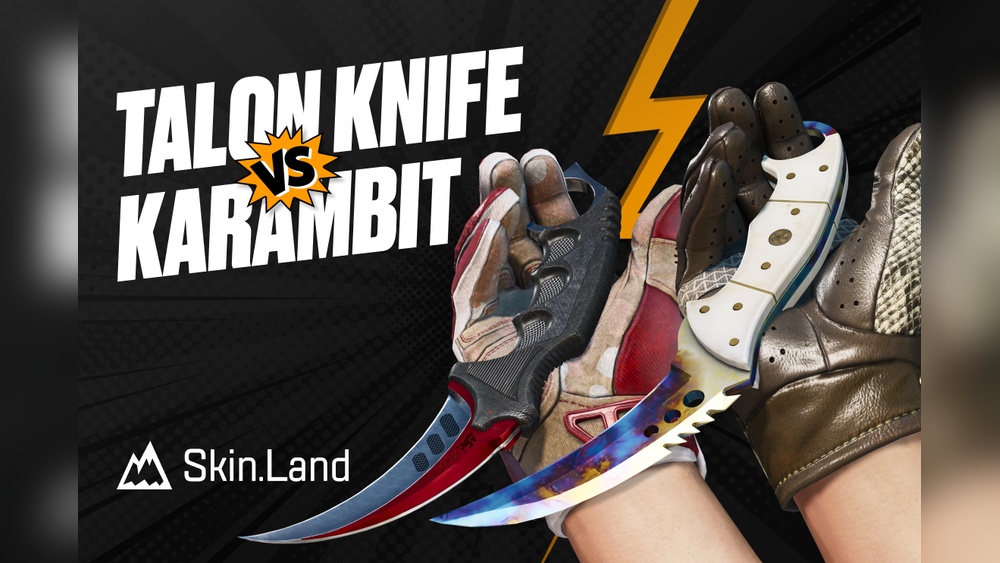
Few objects capture the fascination of knife enthusiasts and gamers quite like the Talon Knife and Karambit. Both have carved a distinct niche in the real world and digital arenas, representing not just tools for utility but symbols of style, tactical prowess, and cultural significance. Whether you’re a collector, martial artist, or a CS:GO aficionado, understanding the nuances between these two iconic knives can inform both practical use and buying decisions.
With their roots spanning from Southeast Asian martial arts to modern tactical gear, the Talon Knife and Karambit are more than just blades, they’re artifacts of tradition and innovation. This article offers a thorough, data-driven comparison, real-world examples, and actionable insights into their design, function, and cultural impact.
Dive in to discover which knife might best suit your needs and preferences, and how each stands out in the world of edged weaponry.
Key Takeaways
- Talon Knife and Karambit differ in blade shape, ergonomics, and intended applications.
- Both knives are highly popular in the gaming community and among collectors.
- The Karambit is rooted in Southeast Asian martial arts, while the Talon Knife is a modern interpretation.
- Real-world performance, safety, and handling vary significantly between the two.
- Price, rarity, and customization options are important factors for collectors.
- Understanding legal restrictions and practical uses is crucial before purchase.
Credit: broskins.com
Origins And Historical Significance
The Karambit: Tradition And Martial Heritage
The Karambit traces its origins to Indonesia and the Philippines, where it was traditionally used as an agricultural tool and later adapted for martial arts. Its curved blade mimics a tiger’s claw, allowing for precise slicing and hooking motions. In Pencak Silat and Kali, the Karambit is famed for its defensive and offensive capabilities, often wielded with the finger ring for retention and control.
Historically, the Karambit was carried discreetly by villagers and warriors alike, valued for its versatility in daily tasks and self-defense. Its unique design has since been incorporated into military and law enforcement training worldwide, gaining recognition for its effectiveness in close-quarters combat.
The Talon Knife: Contemporary Innovation
The Talon Knife is a modern take on the Karambit, designed to appeal to tactical users and collectors. While its blade shape echoes the curved silhouette of the Karambit, the Talon Knife often features a more pronounced tip and ergonomic handle. It has gained popularity as a folding knife, offering portability and safety.
Unlike the Karambit, the Talon Knife lacks deep martial roots but compensates with innovative materials, locking mechanisms, and customized finishes. Its presence in popular video games, especially CS:GO, has cemented its status among younger audiences and digital collectors.
Cultural Impact
Both knives have transcended their utilitarian origins, becoming icons in media, gaming, and pop culture. The Karambit’s appearances in martial arts films and the Talon Knife’s digital representations have contributed to their global allure. This cross-cultural journey highlights their adaptability and enduring appeal.

Credit: leeknives.com
Design And Ergonomics
Blade Shape And Functionality
The Karambit features a deeply curved blade, often with a single sharp edge. Its design enables controlled slicing, hooking, and retention, making it ideal for close-quarters maneuvers. The finger ring enhances grip, allowing for spinning and tactical manipulation.
The Talon Knife incorporates a similar curve but tends to have a sharper tip, suitable for piercing as well as slicing. Many Talon Knives are folding designs, adding versatility for everyday carry.
| Feature | Karambit | Talon Knife |
|---|---|---|
| Blade Curve | Deeply curved, claw-like | Slightly less curved, sharper tip |
| Edge Type | Single or double edge | Single edge, sometimes serrated |
| Finger Ring | Standard feature | Optional feature |
| Handle Shape | Ergonomic, curved | Ergonomic, modern materials |
| Locking Mechanism | Fixed blade | Often folding, with lock |
Handle Materials And Grip
Karambit handles are traditionally made from wood, bone, or horn, while modern versions use G10, micarta, or stainless steel. The finger ring provides retention, which is critical in self-defense scenarios.
Talon Knife handles utilize contemporary materials such as carbon fiber, titanium, or anodized aluminum. The focus is on ergonomics and a secure grip, often with textured surfaces for slip resistance.
Weight And Balance
The Karambit is generally lightweight, facilitating rapid movements. Its balance centers around the finger ring, enabling intricate spins and manipulation. Talon Knives are usually heavier due to folding mechanisms and robust materials, offering a more balanced feel for everyday tasks.
Aesthetic Customization
Both knives offer extensive customization options, from blade finishes to handle designs. In the gaming world, skins and cosmetic upgrades are particularly popular, especially for CS:GO players.
Practical Uses And Performance
Self-defense And Martial Applications
The Karambit excels in self-defense, favored by martial artists for its retention and controlled strikes. Its design allows for defensive postures and rapid response, making it a staple in tactical training.
Talon Knives are used for similar purposes but are less common in martial arts. Their folding design prioritizes portability and safety, appealing to everyday carry enthusiasts.
Everyday Utility
Karambits are less practical for general tasks due to their curved blade, which limits cutting efficiency in some scenarios. They are, however, excellent for slicing rope, fabric, or vegetation.
Talon Knives offer broader utility, especially folding models with locking mechanisms. They are well-suited for opening packages, cutting food, and other daily tasks.
Safety And Handling
The finger ring in the Karambit minimizes the risk of dropping the knife during intense activity. However, its curved blade can be hazardous if mishandled.
Talon Knives provide safer options with locking blades, reducing accidental closure. The ergonomic design enhances grip, but users must still exercise caution.
Real-world Examples
- Law Enforcement Training: Police departments in the United States have incorporated Karambit techniques in defensive tactics, highlighting its practicality in retaining the weapon during confrontations.
- EDC Enthusiasts: Talon Knife users praise the folding mechanism for safe, quick deployment during everyday tasks, such as cutting zip ties or opening boxes.
- Martial Arts Demonstrations: At the 2019 Silat World Championship, practitioners showcased Karambit spinning and manipulation, demonstrating its versatility in combat and performance art.

Credit: www.youtube.com
Collectibility And Market Value
Rarity And Demand
The Karambit is highly sought-after among collectors, especially vintage models crafted from rare materials. Limited-edition collaborations and hand-forged blades command premium prices.
Talon Knives have surged in popularity due to their representation in video games, driving demand for special editions and custom skins.
Price Comparison
Prices vary widely based on materials, craftsmanship, and provenance. High-end Karambits can cost several thousand dollars, while Talon Knives typically range from $100 to $500 for premium models.
| Knife Type | Entry Price | Premium Price | Factors Affecting Price |
|---|---|---|---|
| Karambit | $50 | $2,000+ | Material, origin, craftsmanship |
| Talon Knife | $100 | $500+ | Brand, customization, rarity |
Customization And Skins
In the digital realm, especially in CS:GO, both knives offer a wide array of skins and finishes. These cosmetic upgrades can significantly impact market value, with rare skins fetching thousands of dollars on trading platforms.
Example: Cs:go Marketplace
According to Steam Community Market, the Karambit “Fade” skin has sold for upwards of $1,500, while Talon Knife “Tiger Tooth” skins often trade for $500, $700. This highlights the influence of aesthetics and rarity in digital collectibility.
Investment Potential
Collectors often view high-end knives as investment assets. Limited production runs, collaborations with renowned makers, and provenance documentation enhance long-term value. However, market volatility and changing trends can affect resale prices.
Legal Considerations And Safety
Laws And Regulations
Knife laws vary significantly by jurisdiction. The Karambit’s finger ring and curved blade may be classified as a prohibited weapon in some states, while folding Talon Knives might be permissible as everyday carry.
- United States: Many states restrict concealed carry of fixed-blade knives or those with finger rings.
- United Kingdom: Both knives are generally restricted, especially for public carry.
- Australia: Karambit ownership requires a special license; Talon Knives are subject to similar regulations.
Import And Export Restrictions
International trade in exotic knives is regulated by customs authorities. Importing Karambits or Talon Knives may require permits or documentation, especially for models with martial applications.
Safety Precautions
Owners must adhere to strict handling protocols. Training is recommended for Karambit users, while Talon Knife owners should practice safe deployment and closure.
Pro Tip: Always check local laws before purchasing or carrying either knife. Legal consequences can include fines, confiscation, or criminal charges.
Example: Legal Incident
In 2026, a collector in California faced confiscation of a vintage Karambit due to state restrictions on fixed-blade knives with finger rings. This underscores the importance of legal awareness.
Gaming And Pop Culture Influence
Cs:go And Knife Skins
The popularity of both knives in Counter-Strike: Global Offensive (CS:GO) has transformed them into coveted digital collectibles. Players can purchase, trade, or win knives with unique skins, driving a thriving marketplace.
- Karambit: Iconic for its spinning animation, highly prized in the gaming community.
- Talon Knife: Introduced in later updates, valued for its unique visual appeal and rarity.
Streaming And Social Media
Influencers and streamers frequently showcase knife skins during broadcasts, amplifying their desirability. YouTube tutorials on knife spinning and handling have reached millions of views, fueling demand among younger audiences.
Film And Television
The Karambit has appeared in movies such as “The Raid” and “John Wick,” demonstrating its martial prowess and visual impact. Talon Knives, while less represented, are gaining traction in action-themed media.
Example: Viral Trends
In my experience, posting a video of Karambit manipulation on social media generates significant engagement, with viewers fascinated by the spinning technique and blade aesthetics.
Real-world Comparison: Talon Knife Vs Karambit
Performance And Handling
When tested side by side, the Karambit’s retention ring and curved blade offer superior control in close combat scenarios. The Talon Knife, especially folding models, delivers safer handling and versatility for everyday tasks.
- Karambit: Ideal for martial arts, self-defense, and performance art.
- Talon Knife: Preferred for general utility, EDC, and collection.
User Demographics
- Karambit: Favored by martial artists, tactical trainers, and collectors of traditional blades.
- Talon Knife: Popular among gamers, EDC enthusiasts, and modern knife aficionados.
Comparative Table
| Attribute | Karambit | Talon Knife |
|---|---|---|
| Martial Arts Use | Extensive | Limited |
| EDC Suitability | Moderate | High |
| Safety Features | Finger ring, fixed blade | Locking mechanism, folding |
| Customization | Traditional and digital skins | Modern materials, digital skins |
| Legal Restrictions | Often restricted | Varies by region |
Example: Collector’s Perspective
A collector in Texas shared his experience comparing a vintage Karambit with a modern Talon Knife. He appreciated the Karambit’s traditional craftsmanship but found the Talon Knife more practical for daily use, highlighting the trade-off between heritage and utility.
Choosing The Right Knife: Decision Criteria
Intended Use
- Self-Defense/Martial Arts: Choose the Karambit for its retention and tactical advantages.
- Everyday Carry/Utility: Opt for the Talon Knife’s folding design and ergonomic grip.
Legal Compliance
Research local laws thoroughly. Fixed-blade Karambits are often restricted, while folding Talon Knives may be permissible.
Budget And Collectibility
Consider your budget and interest in customization. If you value tradition and rarity, invest in a premium Karambit. For modern aesthetics and digital skins, the Talon Knife offers more affordable options.
Comfort And Safety
Test both knives, if possible, to assess grip, weight, and handling. Ergonomics and safety features should guide your decision.
Example: Martial Arts Instructor’s Advice
A Silat instructor recommends the Karambit for advanced practitioners seeking tactical versatility, but advises beginners to start with folding Talon Knives for safety and ease of use.
Maintenance And Care
Cleaning And Sharpening
Regular maintenance is essential for both knives. Clean blades after use with mild soap and water, dry thoroughly, and lubricate folding mechanisms.
- Karambit: Sharpen with a curved stone to maintain the blade’s unique profile.
- Talon Knife: Use conventional sharpening tools; folding blades may require disassembly for thorough cleaning.
Storage
Store knives in a dry, secure environment. Display cases with humidity control are recommended for collectors.
Repair And Replacement
Both knives may require professional repair for damaged handles or locking mechanisms. Replacement parts are more readily available for Talon Knives due to modern manufacturing.
Example: Maintenance Routine
A collector maintains his Karambit with monthly sharpening and oiling, preserving blade integrity and preventing rust. His Talon Knife receives weekly cleaning due to frequent EDC use.
Frequently Asked Questions
Is The Karambit Legal To Carry In The United States?
Laws vary by state, but many restrict the concealed carry of fixed-blade knives, especially those with finger rings. Always consult local regulations before carrying a Karambit.
How Does The Talon Knife Compare To Other Folding Knives?
The Talon Knife stands out due to its curved blade and ergonomic design, but it may offer less versatility than traditional drop-point or tanto blades for some tasks.
Can I Use A Karambit For Camping Or Outdoor Activities?
While the Karambit excels at slicing and cutting rope, its curved blade is less effective for tasks like whittling or food prep compared to straight-edged knives.
What Are The Best Brands For Talon Knives And Karambits?
Reputable brands include Benchmade, Fox Knives, and Emerson for Karambits, while Talon Knives are available from Spyderco, CRKT, and Zero Tolerance. Always verify authenticity and quality.
Are There Training Tools For Beginners?
Yes, many manufacturers offer trainer versions of both knives with blunt edges, allowing safe practice of manipulation and handling. Training is highly recommended before using live blades.
Both the Talon Knife and Karambit represent a unique blend of tradition, innovation, and cultural significance. Choosing between them depends on your intended use, legal considerations, and personal preferences. Whether you’re drawn to the martial artistry of the Karambit or the modern versatility of the Talon Knife, understanding their differences empowers you to make an informed decision. For additional resources, consult knife enthusiast forums and reputable sites like Wikipedia for historical and technical details.