
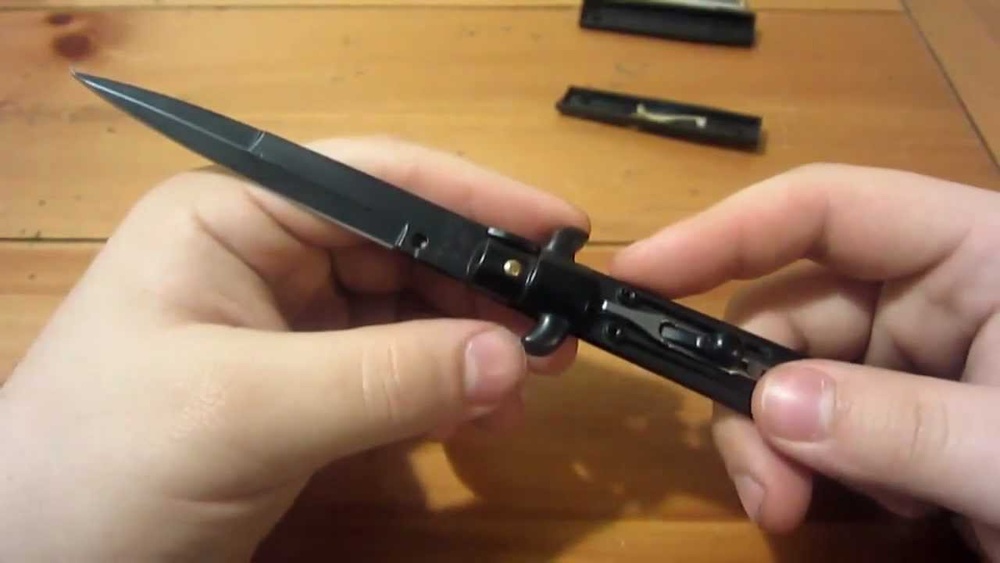
Switch blade knives have long been a source of fascination and controversy, blending utility with a storied history in both professional and recreational settings. Their rapid deployment mechanism, compact design, and versatility have made them prized tools for outdoor enthusiasts, first responders, and collectors alike.
Yet with their unique construction and legal considerations, using a switch blade knife properly requires both knowledge and a sense of responsibility.
Whether you’re considering a switch blade for everyday carry, emergency use, or simply want to understand its mechanics and safe handling, this comprehensive guide will equip you with the expertise necessary. From legal aspects and technical operation to maintenance and real-world applications, you’ll discover a balanced, actionable perspective on getting the most from your switch blade, while staying safe and compliant with the law.
Key Takeaways
- Switch blade knives offer rapid, one-handed deployment and compact utility but require careful, responsible handling.
- Legal restrictions vary widely by state and country; always check local laws before purchasing or carrying.
- Mastering safe use involves understanding the mechanics, practicing proper grip, and following strict safety protocols.
- Routine cleaning and maintenance are essential for reliability and longevity.
- Switch blades excel in specific real-world scenarios such as emergency rescue, outdoor activities, and daily utility tasks.
Understanding Switch Blade Knives
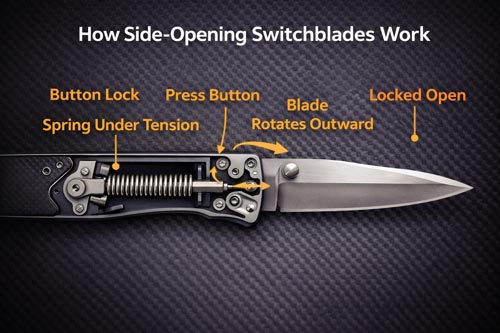
Switch blade knives, also known as automatic knives, are folding knives with a spring-loaded blade that opens automatically when a button or lever is pressed. Their design allows for rapid, one-handed deployment, making them highly practical in situations where speed and accessibility are crucial.
History And Evolution
The origins of switch blade knives trace back to the 18th century in Europe, where early spring-assisted folding knives were developed. By the early 20th century, American manufacturers like Schrade and Camillus popularized the modern switch blade, integrating robust springs and improved safety mechanisms.
Their depiction in mid-20th-century media led to a surge in popularity, and subsequent legal restrictions.
Key Features And Components
A typical switch blade knife includes:
- Button or lever: Triggers the blade release.
- Spring mechanism: Powers the rapid deployment.
- Blade: Usually stainless steel, varying in length and shape.
- Handle: Crafted from materials such as aluminum, G10, or bone.
- Safety lock: Prevents accidental activation.
Below is a comparison of key features found in common switch blade models:
| Feature | Manual Folding Knife | Assisted-Open Knife | Switch Blade Knife |
|---|---|---|---|
| Deployment Speed | Slow/Medium | Medium/Fast | Instantaneous |
| One-Handed Operation | Possible, but harder | Easy | Very easy |
| Legal Restrictions | Minimal | Moderate | High |
| Maintenance Needs | Low | Medium | High |
Types Of Switch Blade Knives
Switch blades come in several variations, including:
- Side-opening automatic: The blade swings out from the side, similar to a traditional folding knife.
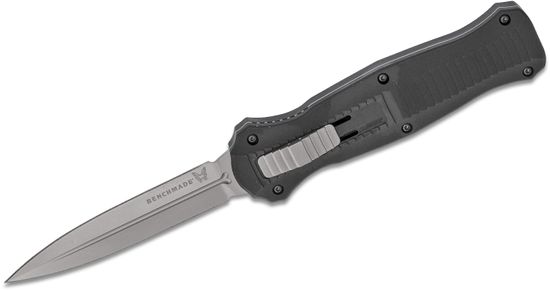
- Out-the-front (OTF) automatic: The blade deploys straight out from the handle’s front.
- Dual-action automatic: Can be opened either automatically or manually.
Each type offers unique advantages depending on user preference and application.
Legal Considerations
Switch blade knives are subject to complex legal regulations. In the United States, the Federal Switchblade Act of 1958 restricts interstate commerce and possession in certain jurisdictions. However, state and local laws vary considerably. For example, switch blades are legal to own and carry in Texas, while outright banned in New York.
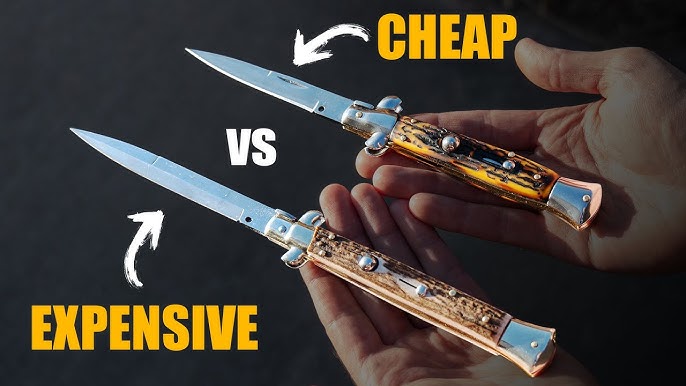
Pro Tip: Always consult your local regulations before purchasing or carrying a switch blade. For an up-to-date overview, refer to the Wikipedia page on Switchblades.
Credit: www.youtube.com
Safety Precautions And Responsible Handling
The most important aspect of using a switch blade knife is prioritizing safety. Due to their rapid deployment and sharp blades, mishandling can result in serious injury.
General Safety Rules
- Treat every knife as if it is loaded, always check the safety lock.
- Keep fingers away from the blade’s path during opening and closing.
- Never point the knife at yourself or others.
- Store the knife in a secure, closed position when not in use.
- Do not attempt to modify or disassemble the mechanism unless you are qualified.
Proper Grip And Deployment
A secure grip is crucial for safe, effective use. Hold the handle firmly with your dominant hand, thumb near the deployment button but not on it until ready. Upon pressing the button, ensure the blade opens away from your body, maintaining a firm grip to prevent slippage.
Example: In my experience, practicing deployment with an unloaded or dummy knife helped build muscle memory and confidence before using a live blade.
Safe Closing Techniques
Switch blade knives may use button, lever, or liner locks to keep the blade open. To close safely:
- Engage the lock to release the blade.
- Begin folding while keeping fingers clear of the blade’s path.
- Close the blade fully until it clicks into the handle.
Storage And Carrying
Store your switch blade in a dedicated sheath or pocket clip, ensuring the safety is engaged. Avoid carrying the knife loose in bags or pockets where accidental activation could occur.
Handling In Public And Group Settings
- Only deploy your knife when necessary.
- Avoid displaying or opening the knife in crowded or sensitive environments.
- Educate others about switch blade safety if demonstrating or sharing.
Credit: www.knifecenter.com
How To Operate A Switch Blade Knife
Understanding the mechanics and steps involved in using a switch blade is fundamental to safe and effective operation.
Step-by-step Opening Procedure
- Check surroundings to ensure it is safe to open the knife.
- Disengage the safety lock if present.
- Hold the knife with the blade slot facing away from your body.
- Press the deployment button or lever firmly.
- Allow the blade to snap open fully; do not obstruct its path.
Using The Knife For Common Tasks
Switch blades excel in tasks requiring rapid access:
- Cutting rope or fabric in emergency scenarios.
- Opening packages or boxes.
- Preparing food during outdoor activities.
Always use a smooth, controlled motion, never force the blade or apply excessive pressure that could damage the mechanism.
Closing The Knife
- Press the release mechanism (button, lever, or liner lock).
- Carefully fold the blade back into the handle.
- Re-engage the safety lock if applicable.
Troubleshooting Deployment Issues
If your knife fails to deploy:
- Check for debris in the hinge or spring mechanism.
- Ensure the safety lock is fully disengaged.
- Inspect for broken or worn springs.
Warning: Never attempt to force a stuck blade open, as this may cause injury or further damage.
Maintenance During Operation
Wipe the blade clean after use, especially if exposed to moisture, adhesives, or organic materials. Periodically check for loose screws or parts before each use.
Credit: www.kombativ.com
Real-world Applications And Case Studies
Switch blade knives are not just for collectors; they serve practical roles in various fields.
Emergency Rescue Scenarios
First responders, such as EMTs and firefighters, rely on switch blades for their ability to rapidly cut seat belts, clothing, or restraints in life-threatening situations. The one-handed deployment allows for multitasking, especially when seconds count.
Example: A paramedic in California used a switch blade to free a trapped accident victim, crediting the speed and reliability of the knife for the successful rescue.
Outdoor And Survival Use
Hikers, campers, and hunters benefit from the portability and quick access of a switch blade. Tasks such as preparing kindling, field dressing game, or repairing gear can be completed efficiently.
- Compact size allows for easy carry in a pocket or on a belt.
- Durable construction withstands harsh conditions.
Everyday Carry (edc) Utility
Urban professionals and tradespeople often include a switch blade in their EDC toolkit for opening packages, stripping wires, or performing quick repairs.
Pro Tip: Choose a model with a blade length and material suited to your most common tasks, and always consider local carry laws.
Tactical And Self-defense Roles
While not recommended as a primary self-defense tool, switch blades offer a rapid response option in emergencies. Some law enforcement officers and military personnel use them as backup tools due to their discreet profile and speed.
Case Study: Collector’s Perspective
Knife collectors value switch blades for their mechanical ingenuity and historical significance. Limited-edition models, vintage designs, and unique mechanisms drive a robust collector’s market.
| Application | Key Benefit | Recommended Blade Type |
|---|---|---|
| Emergency Rescue | Rapid deployment | Side-opening, serrated |
| Outdoor Survival | Portability, durability | OTF, drop point |
| Everyday Utility | One-handed use | Side-opening, straight edge |
| Collection/Display | Historical/mechanical value | Classic or custom |
Cleaning, Maintenance, And Longevity
Proper maintenance is essential for keeping your switch blade knife reliable and safe over time.
Routine Cleaning
- Disassemble the knife if the manufacturer permits.
- Use a soft brush and mild detergent to remove debris from the blade and mechanism.
- Rinse and dry all parts thoroughly.
Pro Tip: Apply a drop of light machine oil to the pivot and spring area to reduce friction and prevent rust.
Lubrication And Inspection
- Lubricate moving parts every few months or after exposure to moisture.
- Check for loose screws, worn springs, or misaligned parts.
- Replace components with manufacturer-approved parts only.
Sharpening The Blade
A dull blade is more dangerous than a sharp one due to the increased force required for cutting.
- Use a sharpening stone or guided system to maintain the edge.
- Follow the factory bevel angle for best results.
Storage For Longevity
Store your switch blade in a dry, cool environment, ideally in a sheath or padded case. Avoid prolonged exposure to humidity or extreme temperatures.
Troubleshooting Common Issues
- Blade misalignment: Inspect pivot and tighten screws.
- Weak deployment: Clean and lubricate the spring mechanism.
- Sticky lock: Remove debris and re-lubricate.
Example: After a muddy camping trip, I thoroughly cleaned and dried my switch blade, preventing rust and ensuring smooth deployment for future use.
Comparing Switch Blade Knives: Popular Models
Choosing the right switch blade depends on your intended use, budget, and local laws. Below is a comparison of popular models based on user reviews and manufacturer specifications.
| Model | Blade Length | Deployment Mechanism | Material | Best For |
|---|---|---|---|---|
| Benchmade 9400 | 3.4″ | Side-opening | S30V Steel/Aluminum | EDC, Outdoor |
| Microtech Ultratech | 3.4″ | OTF automatic | Elmax Steel/Aluminum | Tactical, Collection |
| Kershaw Launch 4 | 1.9″ | Side-opening | CPM-154 Steel/Aluminum | Urban Carry |
| Pro-Tech Godson | 3.15″ | Side-opening | 154CM Steel/Aluminum | Formal EDC |
Factors To Consider When Choosing
- Blade length and shape: Shorter blades are often legal in more locations.
- Handle material: Impacts grip, weight, and aesthetics.
- Deployment mechanism: OTF knives are more complex but offer straight deployment.
- Price: High-quality models often range from $100 to $400.
For more detailed information, visit the Blade HQ Automatic Knives Guide.
User Feedback And Reliability
Across user forums and expert reviews, models from Benchmade, Microtech, and Pro-Tech consistently rate highly for reliability, fit, and finish. Budget models may offer similar features but can suffer from inconsistent deployment or durability issues.
Legal Compliance And International Variations
Always check not only federal, but also state and local statutes before purchasing. Internationally, countries like Canada and the UK have stricter prohibitions, while Italy and Switzerland permit certain models under regulated conditions.
Advanced Techniques And Customization
Once you’ve mastered the basics, there are advanced techniques and customization options to further enhance your switch blade experience.
Speed And Efficiency Practice
- Use a safe, controlled environment for deployment drills.
- Gradually increase speed as your confidence grows.
- Practice deploying and closing with gloves if you plan on using the knife outdoors.
One-handed Operation
Switch blades are designed for one-handed use, benefiting those with limited mobility or situations requiring multitasking. Practice using both your dominant and non-dominant hand.
Customizing The Handle And Blade
Many manufacturers offer aftermarket scales, clips, and even custom blades:
- Handle scales: G10, carbon fiber, or exotic woods for improved grip.
- Pocket clips: Deep-carry or reversible clips for discrete transport.
- Blade finishes: Satin, black oxide, or custom etching for aesthetics and corrosion resistance.
Pro Tip: Only use manufacturer-approved parts to avoid voiding warranties or compromising safety.
Tuning The Spring Mechanism
Experienced users may adjust spring tension or replace springs for a snappier deployment. This should only be performed by those familiar with knife mechanics, as improper tuning can lead to malfunction.
Sharpening For Specialized Tasks
- Use a coarser angle for heavy-duty tasks.
- Maintain a fine edge for precision cutting.
Advanced Safety Precautions
- Wear cut-resistant gloves during maintenance.
- Never bypass the safety lock for quicker deployment.
Frequently Asked Questions
What Is The Difference Between A Switch Blade And A Spring-assisted Knife?
A switch blade deploys automatically with the press of a button, using a built-in spring mechanism. A spring-assisted knife requires the user to begin opening the blade manually, after which a spring helps complete the action. Switch blades are generally subject to stricter legal regulations compared to spring-assisted knives.
Can I Travel With A Switch Blade Knife On An Airplane?
No. According to the Transportation Security Administration (TSA), switch blade knives are prohibited in carry-on baggage and are also restricted in checked luggage depending on local and international laws. Always check with your airline and destination country for specific regulations before traveling.
Are Switch Blade Knives Legal For Self-defense?
Legality varies widely by jurisdiction. In some states, carrying a switch blade for self-defense is permitted, while others classify them as prohibited weapons. Even where legal, using a switch blade for self-defense may carry legal risks. Consult local laws and consider non-lethal alternatives for personal protection.
How Do I Safely Clean And Lubricate The Internal Mechanism?
Disassemble the knife only if allowed by the manufacturer. Use a soft brush to remove debris and a dry cloth to wipe all parts. Apply a drop of light oil to the pivot and spring. Reassemble carefully, ensuring all parts are properly aligned.
Always engage the safety lock before and after maintenance.
What Should I Do If My Switch Blade Fails To Deploy?
First, check that the safety lock is off and the mechanism is free from debris. Clean and lubricate the pivot and spring area. If the problem persists, consult the manufacturer or a professional knife technician, as forcing the mechanism can cause further damage or injury.
Switch blade knives remain a unique blend of innovation and tradition, serving practical roles across many fields while demanding respect for their power and potential risks. With proper knowledge, responsible handling, and regular maintenance, a switch blade can be an indispensable tool, useful, reliable, and safe for years to come.