
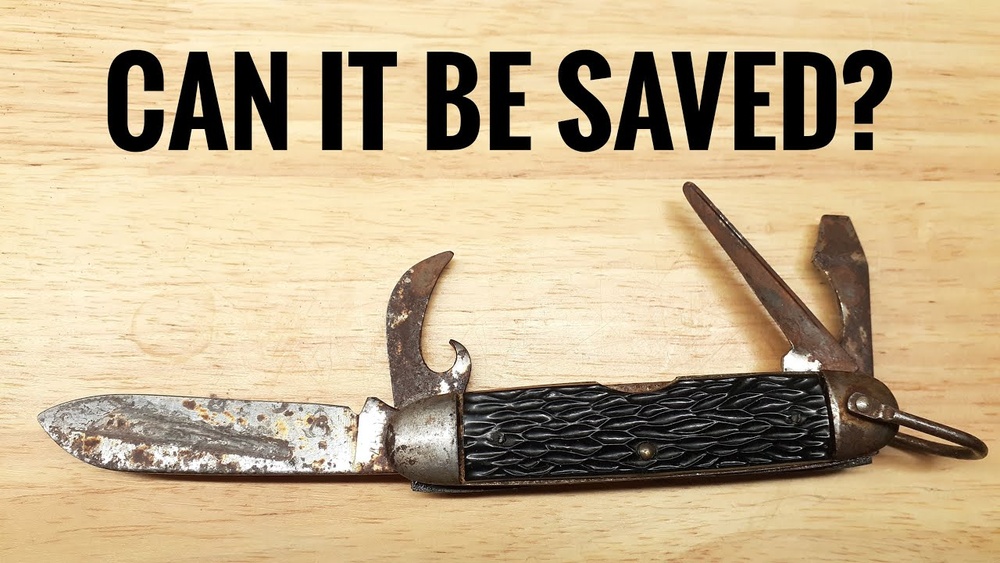
Keeping a pocket knife in top condition is essential for anyone who relies on their blade for outdoor activities, work, or everyday tasks. Yet, even with the best care, rust can creep in, often unnoticed, until it threatens the knife’s performance, safety, and longevity.
A rusty blade not only looks unsightly but also dulls more quickly, can become structurally compromised, and may even pose health risks due to bacteria harbored in corroded spots.
Fortunately, removing rust from a pocket knife is an achievable goal for both beginners and seasoned knife owners. With the right approach, you can restore your knife to near-new condition, preserving both function and value. This comprehensive guide will walk you through every critical step, from understanding rust and its causes to advanced restoration techniques, safety precautions, and tips for long-term maintenance.
Whether you’re a collector, craftsman, or casual user, you’ll find actionable solutions and expert insights to keep your pocket knife performing at its peak.
Key Takeaways
- Rust removal is possible at home using common materials, from household items to specialized products.
- Proper technique is crucial for avoiding blade damage during cleaning and restoration.
- Preventive maintenance is the most effective strategy for keeping your pocket knife rust-free long-term.
- Safety precautions should always be followed to avoid injury and ensure optimal results.
- Regular inspection and cleaning will extend your knife’s lifespan and maintain its edge.

Credit: www.outdoorgearlab.com
Understanding Rust: What Causes It And Why Pocket Knives Are Vulnerable
The Science Of Rust Formation
Rust, or iron oxide, is a chemical reaction that occurs when iron or steel is exposed to moisture and oxygen. This process is accelerated by the presence of salts, acids, or other corrosive agents, common in environments where pocket knives are used, such as camping, fishing, or daily pocket carry.
Why Pocket Knives Are At Risk
Pocket knives are particularly vulnerable to rust because they are:
- Frequently exposed to sweat, humidity, and outdoor elements
- Made with moving parts that can trap moisture
- Often neglected in terms of regular cleaning
Stainless steel blades offer more rust resistance, but no metal is completely immune. High-carbon steel, prized for its edge retention, can rust even faster if not maintained.
Types Of Rust On Pocket Knives
Rust can manifest in several ways on a pocket knife:
- Surface rust: Light, flaky corrosion that can often be wiped away
- Pitting: Deeper, localized corrosion that leaves small craters or pits
- Edge rust: Rust along the cutting edge, which dulls the blade and requires careful attention
Understanding the type and extent of rust helps determine the most effective removal method.
Real-world Example: The Forgotten Camp Knife
Consider the story of an avid camper who stores their knife in a damp tent bag after a rainy trip. Weeks later, they discover the blade covered in orange-brown rust spots, with some pitting near the pivot. This scenario underscores the importance of both immediate cleaning and proper storage.

Credit: www.knafs.com
Essential Tools And Materials For Rust Removal
Basic Supplies You’ll Need
Removing rust from a pocket knife doesn’t require a professional workshop. Most rust removal can be accomplished with:
- Soft rags or microfiber cloths
- Old toothbrush or nylon brush
- Cotton swabs
- Rubber gloves for hand protection
Common Household Rust Removers
Many everyday items can be used to clean rust:
- White vinegar: The acetic acid dissolves rust
- Baking soda paste: Acts as a gentle abrasive
- Lemon juice and salt: The acid and grit work together on light rust
- WD-40 or light oil: Loosens and lifts corrosion
Pro Tip: Always test any cleaner on a small, inconspicuous area to ensure it doesn’t harm the finish.
Specialized Knife-care Products
For heavier rust or valuable knives, specialized products may be worth the investment:
- Commercial rust removers (e.g., Evapo-Rust, Metal Glo)
- Ultra-fine steel wool (#0000 grade)
- Brass or copper brushes (softer than steel, so less likely to scratch)
- Knife pivot lubricant for reassembly
Comparison Table: Household Vs. Commercial Rust Removers
| Rust Remover | Effectiveness | Cost | Surface Safety | Availability |
|---|---|---|---|---|
| White Vinegar | Good (for light rust) | Low | Safe for most metals | Very High |
| Baking Soda Paste | Moderate | Low | Very Safe | Very High |
| WD-40 | Moderate to Good | Medium | Safe | High |
| Evapo-Rust | Excellent | Higher | Safe if used as directed | Moderate |
| Steel Wool (#0000) | Good (abrasive) | Low | May scratch if used aggressively | High |
Example: What Not To Use
Avoid harsh cleaners like bleach or coarse steel wool, as these can permanently damage your knife’s finish or integrity. For instance, when I tested coarse steel wool on a budget blade, it left visible scratches that were impossible to polish out.
Step-by-step Guide: How To Remove Rust From A Pocket Knife
Preparation And Disassembly
- Safety First: Wear gloves and ensure the blade is closed or secured before handling.
- Disassemble if Possible: If your knife can be safely taken apart, do so to access all rusted areas. Keep track of small parts.
Pro Tip: Take photos during disassembly to make reassembly easier.
Cleaning Surface Rust
Using White Vinegar
- Soak a cloth or cotton ball in white vinegar.
- Rub the rusted areas gently. For stubborn spots, let the blade sit with a vinegar-soaked cloth for 5, 10 minutes.
- Scrub with a toothbrush or nylon brush, focusing on rust spots.
- Wipe clean with a dry cloth.
Baking Soda Method
- Make a paste (3 parts baking soda to 1 part water).
- Apply to rust and let sit for 10 minutes.
- Scrub gently with a toothbrush.
- Rinse and dry thoroughly.
Lemon Juice And Salt
- Sprinkle salt on the rusted area.
- Add lemon juice to create a mild acidic reaction.
- Scrub after a few minutes, then rinse and dry.
Removing Stubborn Rust And Pitting
Using Steel Wool Or Brass Brush
- Lightly rub the affected area with #0000 steel wool or a brass brush.
- Work in the direction of the blade to minimize scratches.
- Clean off debris with a cloth.
Warning: Apply light pressure, excessive force can damage the blade.
Commercial Rust Removers
- Apply according to directions on the product.
- Most require a short soak or direct application, followed by scrubbing and rinsing.
- Ensure all residue is cleaned off before reassembly.
Cleaning The Knife Pivot And Mechanism
Rust can cause a knife to open sluggishly or stick. Use a toothpick, cotton swab, or compressed air to clean inside the handle and pivot area. A few drops of knife oil after cleaning will restore smooth operation.
Drying And Reassembly
- Dry all parts thoroughly to prevent new rust from forming.
- Lubricate moving parts and the blade with a light coat of oil.
- Reassemble the knife, referring to your photos if needed.
- Test action to ensure smooth opening and closing.
Example: Restoring A Vintage Pocket Knife
A collector finds a vintage pocket knife with significant surface rust and some pitting on the blade. By carefully soaking the blade in vinegar and using #0000 steel wool, most rust is removed without harming the patina. Lubricating the pivot and polishing the scales brings the knife back to a usable and attractive condition.

Credit: scoutlife.org
Preventing Rust: Long-term Care Strategies
Regular Cleaning And Drying
Wipe your pocket knife after each use, especially if exposed to moisture, sweat, or food acids. Make it a habit to:
- Clean with a dry cloth
- Inspect for any moisture or residue
- Store only when completely dry
Proper Lubrication
A thin coat of knife oil or mineral oil protects the blade from moisture and corrosion. Apply oil to:
- The blade surface
- Pivot area
- Any exposed metal parts
Safe Storage Solutions
Store knives in a dry, ventilated environment. Avoid leather sheaths for long-term storage, as leather retains moisture and promotes rust.
| Storage Method | Rust Risk | Recommended For |
|---|---|---|
| Leather Sheath | High | Short-term carry only |
| Plastic/Polymer Sheath | Moderate | Everyday carry |
| Knife Roll/Case (with silica gel) | Low | Long-term storage |
| Loose in Drawer | Moderate to High | Not recommended |
Environmental Factors
If you live in a humid climate or work near saltwater, increase your inspection and maintenance frequency. Consider using dehumidifiers or silica gel packs in storage locations.
Example: Everyday Carry (edc) User
An EDC enthusiast wipes down their knife each evening, applies oil weekly, and stores it in a ventilated case with a silica packet. Their knife remains rust-free, even in a coastal city.
Advanced Restoration Techniques For Heavily Rusted Knives
Electrolysis Rust Removal
For severe rust or collectible knives, electrolysis is a non-abrasive method that uses electric current to reverse corrosion. This process requires:
- A plastic container with water and washing soda
- A battery charger or DC power supply
- Sacrificial steel (such as a nail) as an electrode
Warning: This method is best reserved for advanced users due to electrical hazards and the risk of blade damage.
Professional Restoration Services
If your knife is valuable or has sentimental value, consider a professional restoration. Experts can:
- Remove deep rust without damaging original finishes
- Sharpen and polish blades
- Replace or repair handle scales
Look for services with strong reviews and experience handling your knife’s brand or model.
Blade Reprofiling And Regrinding
Severe pitting along the edge may require reprofiling, removing metal to restore the edge. Use caution: this permanently removes material and should only be done if necessary.
Case Study: Salvaging A Family Heirloom
A reader inherited a pocket knife with deep rust and pitting. They sent it to a professional restorer, who used electrolysis, careful hand sanding, and custom regrinding to return the blade to working order while preserving the original handle. The restored knife now serves as both a tool and a keepsake.
Safety Precautions And Common Mistakes To Avoid
Personal Safety When Cleaning Knives
- Always wear gloves to protect your hands from sharp edges and chemicals.
- Work on a stable, non-slip surface.
- Keep the blade pointed away from your body during cleaning.
Protecting The Knife
- Avoid power tools unless you have experience; they can quickly remove too much metal.
- Do not soak knives with wooden handles in water or vinegar, as it can cause swelling or cracking.
- Never use sandpaper or coarse abrasives on collectible or high-value knives.
Common Mistakes
- Using too much force: Aggressive scrubbing can scratch or gouge the blade.
- Neglecting pivots and joints: Rust can hide in moving parts, leading to future issues.
- Skipping lubrication: After cleaning, always oil the blade and pivot to prevent new rust.
- Storing the knife before it’s completely dry: Even a trace of moisture can restart corrosion.
Example: When Diy Goes Wrong
A knife owner tried to speed up rust removal with a rotary tool and aggressive compound. The result was a ruined finish and loss of blade geometry, a costly lesson in patience and proper technique.
Real-world Examples: Success Stories And Lessons Learned
Everyday Utility Knife Rescue
A construction worker’s knife was left in a wet toolbox over a long weekend. Surface rust covered the blade and pivot. Using vinegar, a toothbrush, and #0000 steel wool, the owner restored full function in under an hour. Regular oiling afterward kept the blade rust-free.
Vintage Collector’s Find
At a flea market, a collector bought a rusted 1950s pocket knife for $5. After disassembling, soaking in a commercial rust remover, and careful brushing, the knife’s original etching and logo emerged, adding value and historical interest.
Comparing Outcomes: Diy Vs. Professional Restoration
| Method | Cost | Time Required | Best For | Risk Level |
|---|---|---|---|---|
| DIY (Household Methods) | Low | 1-2 hours | Surface rust, modern knives | Low to Moderate |
| DIY (Commercial Removers) | Low to Medium | 1-3 hours | Heavier rust | Moderate |
| Professional Restoration | High | 1-3 weeks | Valuable or historic knives | Low |
The Role Of Knife Materials And Blade Finishes
Stainless Vs. High-carbon Steel
- Stainless steel: More resistant but not immune to rust
- High-carbon steel: Holds a sharper edge but rusts more easily
Choose your knife material based on intended use and your willingness to maintain it.
Blade Coatings And Their Impact
Some knives feature protective coatings (e.g., black oxide, titanium nitride). These can:
- Slow rust formation
- Require gentler cleaning to avoid damaging the finish
If your knife has a coating, avoid abrasive methods.
Handle Materials And Rust Risks
Wood, bone, and natural materials can absorb moisture, increasing the risk of hidden rust in the tang or liners. Synthetic handles (G10, FRN, Micarta) are more resistant.
For in-depth material science, see the Stainless Steel Wikipedia page.
Frequently Asked Questions
What If Rust Keeps Coming Back After Cleaning My Knife?
Persistent rust usually points to ongoing exposure to moisture or improper storage. Make sure your knife is thoroughly dry before storing, use a protective oil, and consider using silica gel packs in your storage area. If you live in a humid region, increase inspection frequency and store your knife in a sealed, low-humidity environment.
Can I Use A Rust Remover Meant For Cars Or Tools On My Pocket Knife?
While some general-purpose rust removers are safe, always check the label for kitchenware or cutlery approval. Many automotive rust removers contain strong acids or solvents that may damage the blade, handle, or even leave harmful residues. For pocket knives, use products specifically labeled as food-safe or knife-safe.
Is It Safe To Use A Rusty Knife For Food Preparation After Cleaning?
After rust removal, thoroughly wash and sanitize the blade with hot, soapy water. Minor surface rust, when cleaned, does not pose a health risk, but deep pitting can harbor bacteria. For knives used with food, inspect closely and avoid using any with deep or inaccessible rust damage.
Always err on the side of caution and consult health guidelines.
How Do I Prevent Rust On A Knife I Carry Every Day?
Adopt a routine: wipe the blade dry after each use, apply a light coat of oil weekly, and store in a dry sheath or pocket. Avoid storing your knife in leather for extended periods and inspect regularly for early signs of corrosion. If you sweat heavily or work in wet environments, increase maintenance frequency.
Will Removing Rust Affect The Value Of My Collectible Pocket Knife?
Aggressive cleaning or polishing can reduce collectible value, especially if original finishes or patinas are altered. For valuable or antique knives, avoid power tools and harsh abrasives. When in doubt, consult a professional or reference collector guides, such as those found at American Bladesmith Society.
A rust-free pocket knife is safer, more reliable, and more enjoyable to use. With a methodical approach to cleaning and maintenance, you can keep your blade sharp and corrosion-free for years to come. Whether you’re restoring a family heirloom or keeping your everyday carry in top shape, the right tools and techniques make all the difference.
Invest a little time now, and your pocket knife will serve you faithfully for a lifetime.