
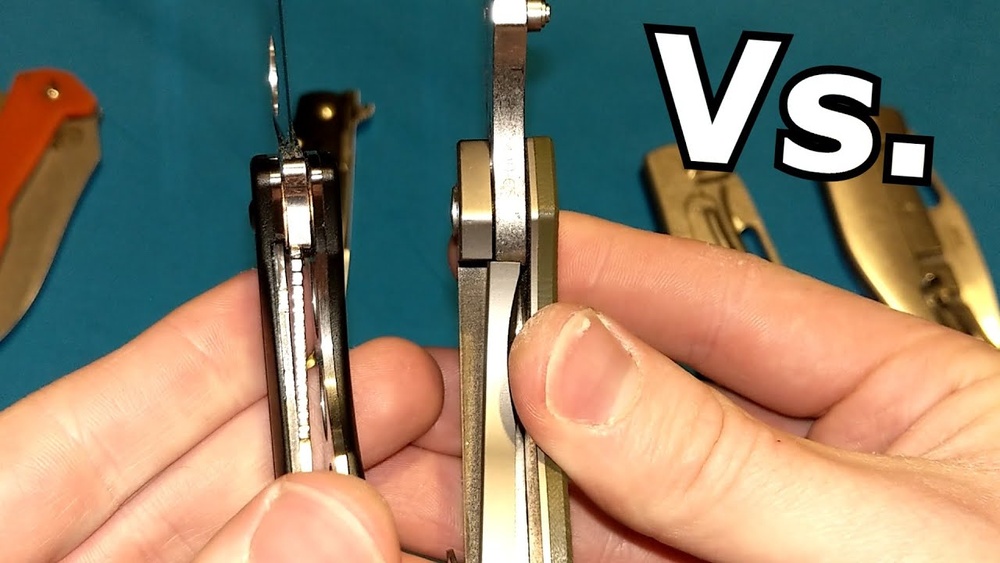
Liner Lock Vs Frame Lock: A Comprehensive Guide to Knife Lock Mechanisms
Choosing the right folding knife lock can mean the difference between a tool that’s safe, reliable, and efficient, and one that’s frustrating or dangerous. The liner lock and frame lock are two of the most popular knife locking mechanisms today, each offering unique benefits and challenges. Whether you’re a collector, outdoor enthusiast, or everyday user, understanding these locks is crucial for making an informed decision.
Both liner and frame locks have evolved alongside advancements in materials and manufacturing. Their widespread adoption is reflected in the offerings from major knife brands and custom makers alike. This article provides a deep dive into their mechanisms, history, performance, and real-world use, equipping you with the knowledge to select the best lock for your needs.
Key Takeaways
- Liner locks feature an internal spring bar, while frame locks use the knife’s frame as the lock.
- Frame locks generally offer greater strength and durability, but liner locks are lighter and often more affordable.
- Both lock types are widely used in tactical, EDC, and outdoor knives, each with distinct advantages.
- Proper maintenance is essential for both mechanisms to ensure safety and longevity.
- Real-world examples and case studies highlight practical considerations when choosing between liner and frame locks.
Credit: zt.kaiusa.com
Understanding Liner Lock Mechanisms
The liner lock is one of the most recognizable folding knife locks. Its design relies on a thin metal liner, cut and bent inward to act as a spring that blocks the blade from closing. This mechanism was popularized in the late 20th century and remains a staple in many knife collections.
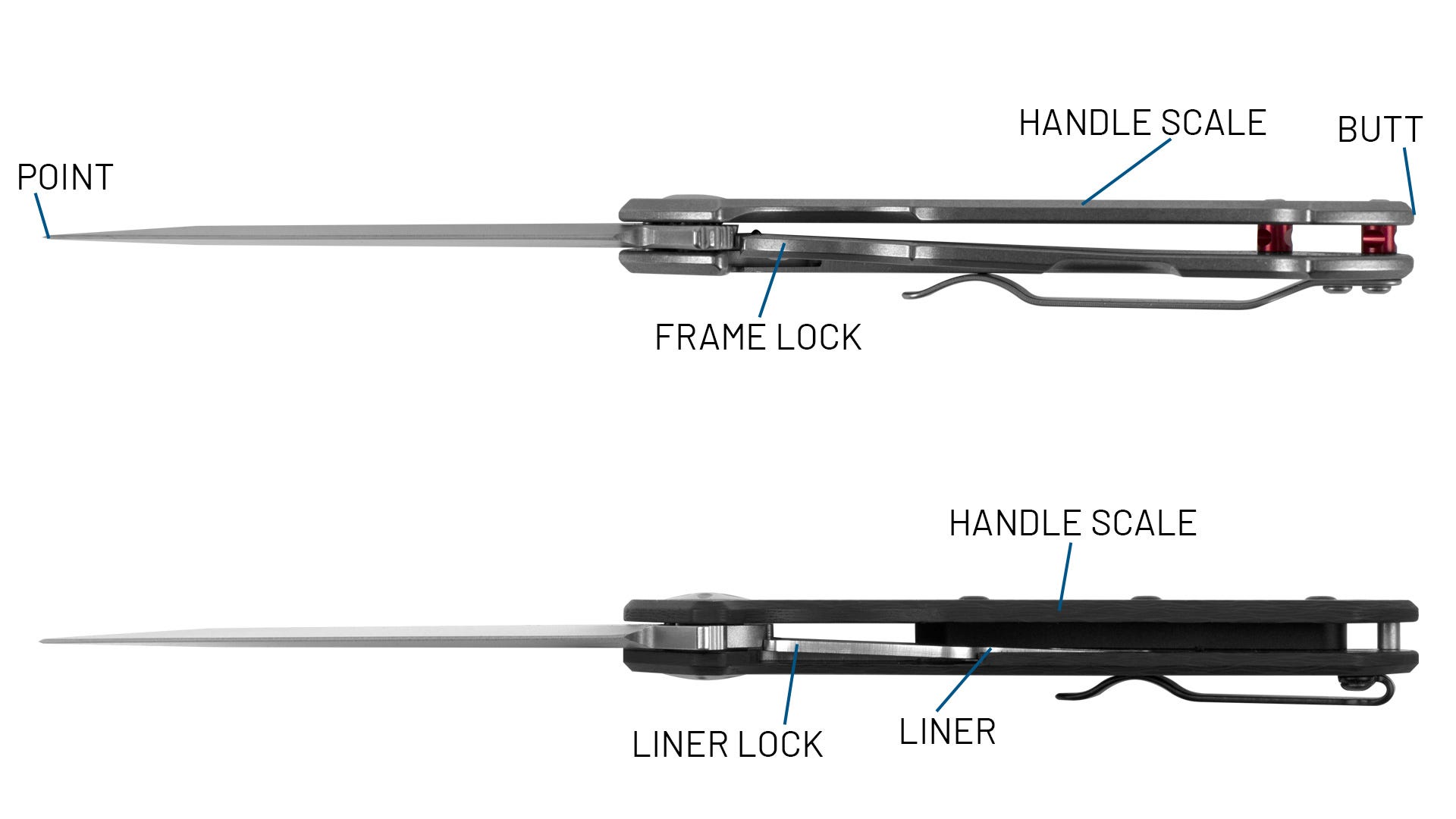
How Liner Locks Work
A liner lock typically consists of:
- A metal liner inside the handle
- A cutout section acting as a spring bar
- The spring bar moves inward as the blade opens, locking the blade in place
To close the knife, the user pushes the liner away from the blade, allowing it to fold. This mechanism is appreciated for its simplicity and ease of use, especially for one-handed operation.
Historical Development
The liner lock evolved from early slip-joint designs, becoming widely used in tactical and utility knives. Michael Walker, a renowned knife maker, is credited with refining and popularizing the modern liner lock design in the 1980s. His innovations allowed for safer, more secure folding knives and paved the way for mass adoption.
Material Choices And Variations
Liner locks are typically made from stainless steel or titanium, chosen for their resilience and springiness. Some manufacturers use dual liners for added strength, while others opt for lightweight materials to reduce overall weight. The liner lock’s versatility enables varied handle designs, from slim EDC knives to robust tactical models.
Advantages Of Liner Lock
- Lightweight construction: Ideal for pocket carry and EDC.
- Affordability: Lower production costs make liner locks common in entry-level knives.
- Easy customization: Allows for diverse handle materials and shapes.
Limitations Of Liner Lock
- Strength limitations: The thin liner may not withstand extreme force or heavy-duty tasks.
- Wear and tear: Frequent use can cause the liner to lose spring tension, reducing reliability.
- Potential for accidental disengagement: In rare cases, the liner may be pushed aside unintentionally.

Credit: nobliecustomknives.com
Exploring Frame Lock Mechanisms
The frame lock offers a robust alternative to the liner lock, utilizing the knife’s handle frame itself as the locking mechanism. This design is favored by many for its enhanced strength and reliability, particularly in heavy-use and tactical applications.
How Frame Locks Work
A frame lock features:
- A thick section of the handle frame cut and bent inward
- This frame portion acts as the spring and lock bar
- As the blade opens, the frame bar moves under the blade tang, securely locking it
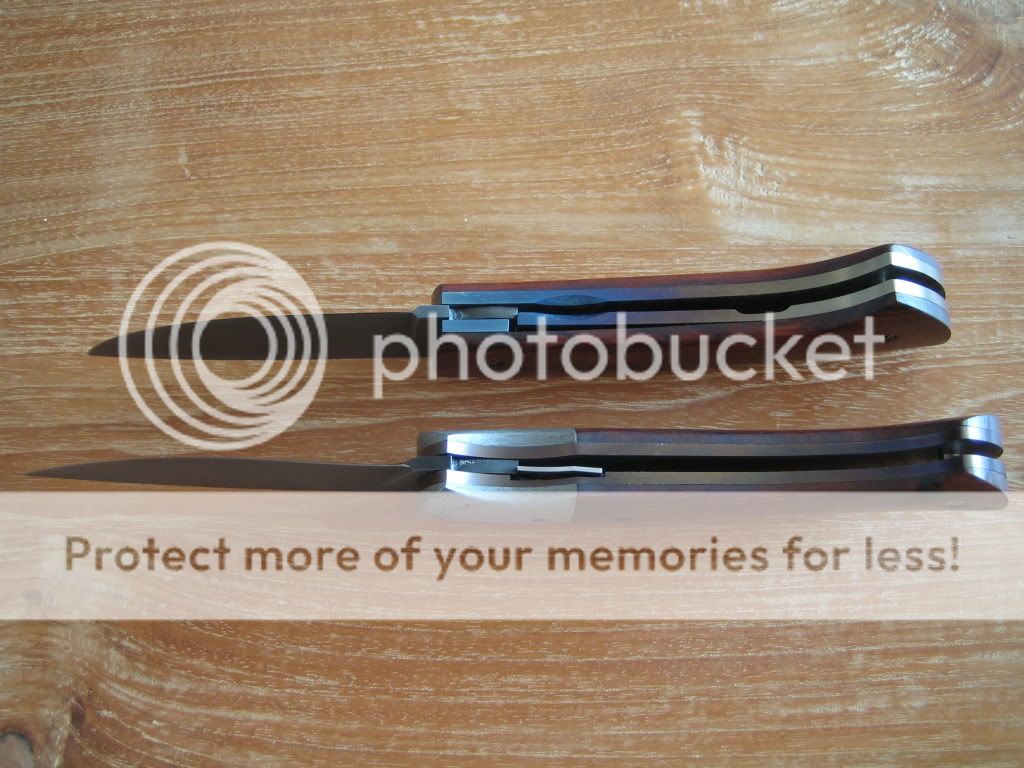
To close the knife, the user pushes the frame bar away from the blade. The mechanism is similar to a liner lock but uses the handle’s frame instead of an internal liner.
Origins And Evolution
Frame locks were developed as an extension of the liner lock concept, aiming to enhance strength and durability. Chris Reeve, a legendary knife maker, is credited with pioneering the modern frame lock (sometimes called the Integral Lock) in the early 1990s. His design influenced countless production and custom knives, establishing the frame lock as a gold standard for strength.
Material And Construction
Frame locks are often constructed from titanium, stainless steel, or other high-strength alloys. Titanium is especially favored for its combination of strength, light weight, and corrosion resistance. The frame lock’s structure allows for minimalist handle designs, often resulting in knives that are sleek yet robust.
Frame Lock Advantages
- Superior strength: The thick frame provides greater resistance to stress and torque.
- Durability: Less prone to wear compared to liner locks.
- Secure lockup: Reduced risk of accidental disengagement.
Frame Lock Limitations
- Weight: The use of heavy materials can add to the overall knife weight.
- Cost: Higher material and machining costs often make frame lock knives more expensive.
- Design constraints: The lock mechanism limits handle material choices, often requiring metal frames.
Credit: www.bladeforums.com
Liner Lock Vs Frame Lock: Detailed Comparison
Selecting between a liner lock and frame lock involves several considerations, from strength and reliability to ergonomics and aesthetics. The following table compares key features side-by-side:
| Feature | Liner Lock | Frame Lock |
|---|---|---|
| Locking Strength | Moderate | High |
| Weight | Lighter | Heavier |
| Cost | Lower | Higher |
| Ease of Use | One-handed operation | One-handed operation |
| Customization | Wide variety | Limited (mostly metal handles) |
| Maintenance | Requires periodic tension checks | Minimal, check for wear |
| Accidental Disengagement Risk | Moderate | Low |
Strength And Reliability
Frame locks generally outperform liner locks in terms of structural strength. The thick frame bar provides a solid lockup, withstanding higher forces during cutting, prying, or twisting. Liner locks, while adequate for everyday use, may flex or fail under heavy loads.
Ergonomics And Handling
Liner locks allow for greater handle design flexibility. Manufacturers can use G10, carbon fiber, wood, or other materials for the handle scales. Frame locks, by contrast, often require metal handles, which may not be as comfortable or grippy, especially in wet conditions.
Price And Accessibility
Liner lock knives are widely available and typically more affordable. Frame lock knives, especially those made from titanium, command higher prices due to material and manufacturing complexity.
Customization And Aesthetics
Liner locks support diverse designs, from slim gentleman’s folders to rugged tactical blades. Frame locks, although sleek, are more constrained by the need for a metal frame, limiting aesthetic options.
Real-world Examples And Case Studies
Examining actual knife models and user experiences reveals practical differences between liner and frame locks. Here are three examples illustrating key points:
Example 1: Benchmade 940 Osborne (liner Lock Variant)
The Benchmade 940 is available in both liner lock and axis lock versions. Its liner lock model is prized for its lightweight profile and slim handle, making it a favorite among urban EDC enthusiasts. Users report smooth operation and easy maintenance, but caution that the liner may wear down after years of use, especially with heavy tasks.
Example 2: Chris Reeve Sebenza (frame Lock)
The Chris Reeve Sebenza is a renowned frame lock knife, highly regarded for its robust construction and precision engineering. Owners praise its rock-solid lockup and smooth action. In my experience, the Sebenza’s frame lock provides confidence during demanding tasks such as wood splitting or rope cutting. Titanium construction offers durability without excessive weight.
Example 3: Spyderco Military (liner Lock)
The Spyderco Military features a liner lock mechanism, chosen for its balance between strength and lightness. Outdoor users appreciate its easy cleaning and comfortable handle. However, some report that the liner lock can be accidentally disengaged when gripping the knife tightly, underscoring the importance of proper grip and awareness.
Safety And Maintenance Considerations
Safe operation and longevity hinge on proper maintenance and user practices for both liner and frame locks. Here’s what you need to know:
Routine Maintenance
- Clean regularly: Dirt, grit, and moisture can compromise lock function.
- Lubricate pivot: Ensures smooth opening and closing.
- Inspect lock bar: Check for wear, deformation, or loss of spring tension.
Safety Tips
- Always keep fingers clear of the lock bar when closing the knife.
- Avoid excessive force, don’t use folding knives as prying tools.
- Test lock engagement after cleaning or maintenance.
Longevity And Wear
Liner locks can lose springiness over time, especially if constructed from softer metals. Frame locks, particularly those made from titanium, exhibit greater resistance to wear. However, both mechanisms require periodic inspection to ensure reliable lockup.
Pro Tip:
If you notice blade play or lock slippage, stop using the knife and consult a professional or the manufacturer for repair.
Application: Which Lock Is Best For You?
Choosing between a liner lock and frame lock depends on your intended use, preferences, and budget. Here’s a breakdown for common scenarios:
Everyday Carry (edc)
For light tasks such as opening packages, food prep, or light cutting, a liner lock offers:
- Lightweight design
- Affordable price
- Versatile handle options
If you value maximum durability, a frame lock is worth considering, even for EDC.
Tactical And Outdoor Use
Frame locks excel in demanding environments:
- Superior lock strength
- Enhanced durability
- Less risk of accidental disengagement
For hunting, camping, or tactical applications, a frame lock is generally recommended.
Collecting And Custom Knives
Collectors often prioritize aesthetics and unique materials. Liner locks support creative handle designs and artistic embellishments. Frame locks, while more limited in material choices, are prized for their engineering and craftsmanship.
Budget And Accessibility
Liner locks dominate the entry-level and mid-range market, offering reliable performance at lower cost. Frame locks are typically reserved for premium knives.
| Use Case | Liner Lock | Frame Lock |
|---|---|---|
| EDC | ✓ | ✓ |
| Outdoor/Tactical | ✗ | ✓ |
| Collecting | ✓ | ✓ |
| Heavy Duty | ✗ | ✓ |
| Budget-Friendly | ✓ | ✗ |
Innovations And Trends In Knife Locking Mechanisms
The world of knife locking mechanisms continues to evolve, with manufacturers and custom makers pushing boundaries in materials, design, and performance.
Material Advances
Titanium remains a top choice for frame locks due to its strength-to-weight ratio and corrosion resistance. Liner locks benefit from stainless steel upgrades and the use of composite materials for handle scales.
Enhanced Safety Features
Some brands incorporate lockbar stabilizers or overtravel stops to prevent lock bar deformation in frame locks. Others use secondary locks (e.g., the “LAWKS” system) to bolster liner lock security.
Precision Manufacturing
Modern CNC machining allows for tighter tolerances, resulting in smoother operation and more consistent lockup. Brands like Zero Tolerance and Spyderco lead the industry with innovative manufacturing techniques.
Example: Zero Tolerance 0450 (frame Lock)
The ZT 0450 is a titanium frame lock flipper, blending lightweight construction with robust lockup. Its precision engineering and ergonomic design make it a favorite among knife enthusiasts.
Industry Standards And Regulations
Knife locking mechanisms are subject to legal restrictions in certain regions. For example, the UK and some European countries limit the sale and carry of locking knives. Always check local laws before purchasing or carrying a locked folding knife.
Comparing Liner And Frame Locks To Other Lock Types
While liner and frame locks dominate the folding knife market, other mechanisms exist, each with unique characteristics.
Common Alternatives
- Back lock: Uses a spine-mounted lock bar; offers high strength but less one-handed operation.
- Axis lock: Proprietary to Benchmade; features ambidextrous operation and strong lockup.
- Compression lock: Developed by Spyderco; similar to liner lock but positioned on the spine for added safety.
Key Differences
Both liner and frame locks prioritize one-handed operation and slim profiles. Other locks may offer greater ambidexterity, safety, or strength, but often at the expense of weight or complexity.
| Lock Type | Strength | Ease of Use | Ambidextrous | Cost |
|---|---|---|---|---|
| Liner Lock | Moderate | Easy | No | Low |
| Frame Lock | High | Easy | No | High |
| Back Lock | High | Moderate | Yes | Moderate |
| Axis Lock | High | Easy | Yes | High |
| Compression Lock | High | Easy | No | High |
Pro Tip:
If you need ambidextrous operation or live in a region with locking knife restrictions, consider alternative lock types.
Frequently Asked Questions
What Is The Main Difference Between A Liner Lock And A Frame Lock?
The primary difference is the location and function of the locking bar. A liner lock uses a thin internal liner inside the handle, while a frame lock utilizes the actual handle frame as the locking bar. This affects strength, durability, and handle design options.
Are Frame Lock Knives Safer Than Liner Lock Knives?
Frame locks are generally considered safer due to their increased strength and reduced risk of accidental disengagement. However, both mechanisms require proper maintenance and user awareness to ensure safety.
Can A Liner Lock Be Converted To A Frame Lock?
No, converting a liner lock to a frame lock is not feasible. The mechanisms are fundamentally different in design and construction. Attempting such a modification could compromise the knife’s integrity and safety.
How Do I Maintain A Frame Lock Knife?
To maintain a frame lock knife:
- Clean and lubricate the pivot regularly
- Inspect the lock bar for wear or deformation
- Check for lock bar overtravel using a stabilizer if present
- Store in a dry environment to prevent corrosion
Are There Legal Restrictions On Liner Or Frame Lock Knives?
Yes, certain countries and regions restrict the sale, carry, or use of locking knives. For example, UK law prohibits carrying locking knives in public without a valid reason. Always consult local regulations or refer to authoritative sources like Wikipedia before purchasing or carrying a locked folding knife.
Authoritative Resources And Further Reading
For more in-depth information on knife mechanisms and industry standards, consult:
- Chris Reeve Knives, Official source for frame lock innovation
- Wikipedia, Comprehensive overview of knife types and history
Selecting between a liner lock and frame lock ultimately comes down to your personal needs, preferences, and intended use. Both mechanisms offer distinct advantages and have proven their reliability in countless real-world scenarios. By understanding their differences, strengths, and limitations, you can confidently choose a folding knife that serves you well for years to come.