
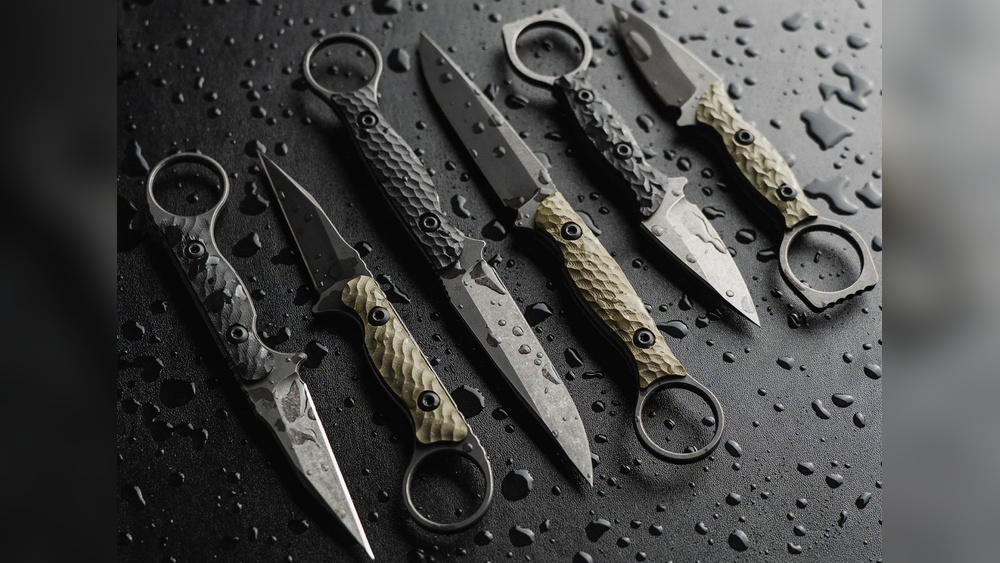
Everyday Carry (EDC) has become more than just a practical concept, it’s a culture, a hobby, and, for many, an essential part of daily preparedness. Among the most versatile and commonly carried tools is the EDC knife, a compact blade designed for daily utility, safety, and reliability. Whether you’re opening packages, cutting loose threads, or facing an unexpected emergency, an EDC knife offers an edge, literally and figuratively, that’s hard to overstate.
But what exactly is an EDC knife, and why has it earned such an important place in the pockets, bags, and kits of millions around the world? This comprehensive guide explores the definition, features, legal considerations, and best practices for choosing and using an EDC knife.
Drawing from real-world examples, expert advice, and the latest industry data, you’ll gain a clear understanding of what makes an EDC knife not just a tool, but a trusted companion.
Key Takeaways
- EDC knives are compact, versatile tools designed for daily utility and preparedness.
- Choosing the right EDC knife involves considering blade type, size, materials, and local laws.
- Maintenance, proper use, and safe carrying are crucial for maximizing an EDC knife’s lifespan and effectiveness.
- Real-world examples demonstrate how EDC knives solve everyday and emergency challenges.
- Legal restrictions vary widely by location; always check local laws before carrying an EDC knife.
Credit: smithsproducts.com
What Is An Edc Knife?
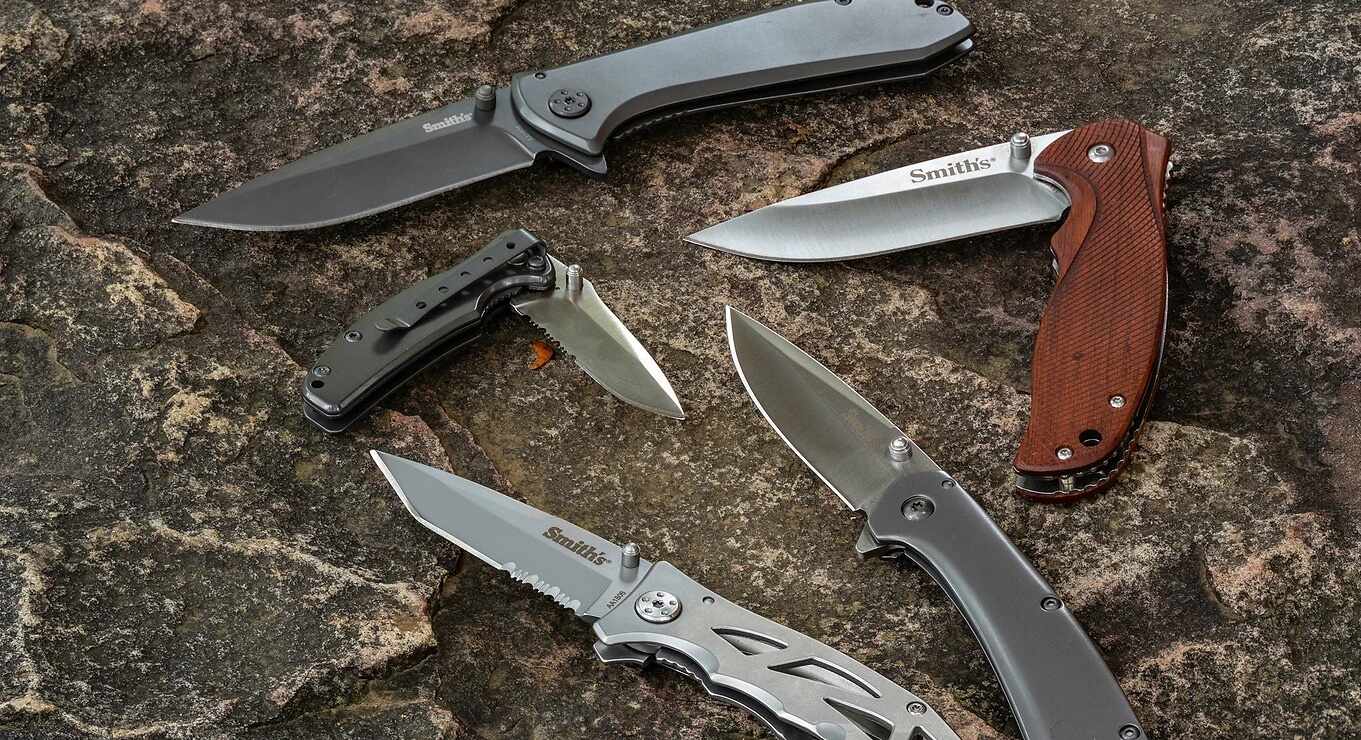
An EDC knife refers to a folding or fixed-blade knife specifically designed for everyday carry. The term “EDC” stands for Everyday Carry, and in this context, it highlights the knife’s role as a practical, easily accessible tool for routine tasks. Unlike specialized knives used for hunting, survival, or culinary purposes, EDC knives prioritize portability, convenience, and multi-functionality.
Defining Characteristics
Key features distinguish EDC knives from other types of blades:
- Compact Size: Most EDC knives have blade lengths between 2 and 4 inches, making them easy to carry discreetly in a pocket or bag.
- One-Handed Operation: Many designs allow for quick deployment with one hand, thanks to thumb studs, flipper tabs, or assisted opening mechanisms.
- Durability: EDC knives often use stainless steel or high-carbon steel blades for corrosion resistance and edge retention.
- Locking Mechanisms: To ensure safety, folding EDC knives typically include locks such as liner locks, frame locks, or back locks.
- Ergonomic Handles: Materials like G10, aluminum, titanium, or micarta provide secure grip and comfort during extended use.
Typical Uses
While the primary role of an EDC knife is utility, its applications are incredibly diverse:
- Opening packages and letters
- Cutting rope, zip ties, or loose threads
- Food preparation during travel
- Emergency self-defense (where legal)
- Outdoor activities like camping or fishing
History And Evolution
The concept of carrying a personal knife dates back centuries, but the modern EDC knife evolved alongside advancements in metallurgy and manufacturing. The introduction of folding knives with reliable locks in the late 19th and early 20th centuries paved the way for compact, safe, and efficient tools.
Today, EDC knives blend classic craftsmanship with cutting-edge technology, resulting in a thriving market with countless options.
Credit: www.vosteed.com
Key Components Of An Edc Knife
Understanding the main elements of an EDC knife helps you make informed choices based on your needs and preferences.
Blade Types And Shapes
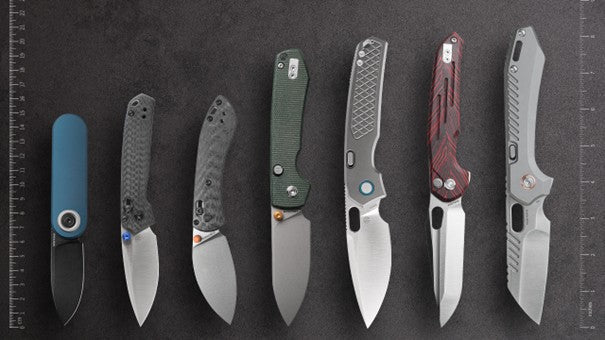
The blade is the heart of any knife. EDC knives feature a range of blade shapes, each optimized for specific tasks:
- Drop Point: A versatile, all-purpose blade with a strong tip, ideal for general use.
- Clip Point: Features a thinner, sharper tip for precision tasks.
- Sheepsfoot: Straight edge with a rounded tip, excellent for slicing and minimizing accidents.
- Tanto: Angular, robust tip designed for piercing tough materials.
| Blade Shape | Best For | Common Use Case |
|---|---|---|
| Drop Point | Versatility | Everyday tasks, food prep |
| Clip Point | Precision | Detailed cutting, whittling |
| Sheepsfoot | Safety | Slicing, rescue work |
| Tanto | Strength | Piercing, tactical use |
Blade Materials
Choosing the right blade material impacts edge retention, corrosion resistance, and ease of sharpening:
- Stainless Steel: Resists rust; popular grades include 8Cr13MoV, AUS-8, and S30V.
- High Carbon Steel: Superior edge retention but requires more care to prevent rust.
- Tool Steels: Premium steels like D2 or M390 offer exceptional performance but at higher costs.
Handle Materials
Handle construction affects comfort, grip, and aesthetics:
- G10: A fiberglass laminate, known for toughness and water resistance.
- Aluminum: Lightweight and strong, though less grippy when wet.
- Titanium: High-end, corrosion-resistant, and lightweight.
- Micarta: Fabric-based, offering excellent grip even in wet conditions.
Locking Mechanisms
Safety is paramount for folding EDC knives. Common locking systems include:
- Liner Lock: A metal liner moves into place behind the blade.
- Frame Lock: Similar to liner lock, but uses the handle frame itself.
- Back Lock: A spring-loaded bar along the spine locks the blade.
- Axis Lock: A patented mechanism using a sliding bar for ambidextrous use.
Opening Mechanisms
Quick access is vital for many users. EDC knives employ various opening methods:
- Manual Thumb Stud: Press with your thumb to open.
- Flipper Tab: Flick open using an index finger.
- Assisted Opening: Spring-assisted for rapid deployment.
- Automatic/OTF (Out-The-Front): Push-button operation; legality varies.
How To Choose The Right Edc Knife
Selecting an EDC knife is highly personal, but several objective factors influence your decision.
Assessing Your Needs
Consider how you plan to use your knife:
- Urban Use: Opt for a smaller, discreet blade for office or city environments.
- Outdoor Activities: Choose a robust, corrosion-resistant blade for camping, fishing, or hiking.
- Tactical/Rescue: Prioritize rapid deployment and a strong locking mechanism.
Size And Weight Considerations
A knife that’s too large or heavy may not see regular carry. Conversely, an ultra-light model may lack durability for tough tasks. Typical EDC knives weigh between 2-5 ounces, with overall lengths (closed) around 3-4. 5 inches.
Legal Restrictions
Laws governing knife carry vary significantly by country, state, and city. Key factors include:
- Blade length limits: Common maximums are 2.5 to 3.5 inches.
- Prohibited mechanisms: Some regions ban automatic, assisted, or locking knives.
- Intent: Carrying for utility vs. self-defense can impact legality.
Pro Tip: Always check local statutes before purchasing or carrying an EDC knife. Consult official resources like the American Knife & Tool Institute for up-to-date information.
Ergonomics And Comfort
Test grip comfort, pocket clip orientation, and ease of deployment. In my experience, a poorly designed handle or stiff opening mechanism can turn even the best blade into a drawer queen.
Budget And Value
EDC knives range from budget-friendly ($20-$50) to premium ($200+). High-quality knives can last a lifetime with proper care, but many affordable models offer excellent performance for everyday tasks.
| Price Range | Typical Features | Example Brands |
|---|---|---|
| $20-$50 | Basic materials, manual open, minimal warranty | Opinel, Kershaw |
| $50-$150 | Improved steel, assisted open, better handle materials | CRKT, Spyderco |
| $150+ | Premium steel, advanced locks, custom designs | Benchmade, Zero Tolerance |

Credit: www.carryology.com
Real-world Uses And Case Studies
Practical applications illustrate the EDC knife’s value and versatility.
Example 1: Package Handling In E-commerce
With the surge in online shopping, many find themselves opening multiple packages daily. An EDC knife with a sharp, short blade makes quick work of tape, plastic straps, and cardboard. Users report that a well-designed EDC knife can reduce opening time by more than half compared to scissors or keys.
Example 2: Outdoor Emergency
A hiker in the Pacific Northwest recounted using a small EDC knife to cut tangled fishing line from a bird’s wing, demonstrating the knife’s utility in unexpected wildlife encounters. The fine tip and sharp edge allowed for careful, humane intervention.
Example 3: Automotive Safety
An EDC knife with a sheepsfoot blade and seatbelt cutter was used by a commuter to free a trapped passenger after a minor car accident. The tool’s accessibility and safety-focused design enabled rapid response when seconds mattered.
Example 4: Food Preparation On The Go
Travelers often find themselves without adequate cutlery. A compact EDC knife with a corrosion-resistant blade can double as a paring knife for fruit, cheese, or snacks, eliminating the need to rely on disposable or low-quality utensils.
Maintenance And Safe Use Of Edc Knives
To ensure longevity and safety, regular care and proper handling are essential.
Cleaning And Lubrication
- Rinse the blade and handle with warm water after use, especially after food prep or exposure to moisture.
- Dry thoroughly to prevent rust.
- Apply a drop of light oil to pivot points and hinges to maintain smooth operation.
Sharpening
A dull knife is more dangerous than a sharp one, as it requires greater force and increases the risk of slipping. Use a sharpening stone, guided system, or professional service to maintain a keen edge.
Storage And Carry Methods
- Store in a dry environment when not in use.
- Use a pocket clip, sheath, or pouch for safe, discreet carry.
- Avoid carrying loose in pockets where keys or coins may damage the blade or accidentally deploy it.
Safety Practices
- Always cut away from your body.
- Close or sheath the knife when not in use.
- Keep out of reach of children.
Warning: Never use an EDC knife for prying, as this can damage the blade or locking mechanism.
Legal And Ethical Considerations
Understanding the legal and ethical landscape is critical for responsible EDC knife ownership.
Regional Laws And Compliance
Knife laws change frequently and vary widely. For example, New York City limits folding knife blades to under 4 inches and bans “gravity knives,” while Texas allows much larger blades but restricts carry in certain public spaces.
Traveling With An Edc Knife
Airport security and international travel introduce additional restrictions. The Transportation Security Administration (TSA) prohibits knives in carry-on luggage in the US; always check specific airline and destination rules.
Ethical Use
Owning an EDC knife comes with responsibility:
- Use only for lawful and intended purposes.
- Respect “No Weapons” signage in private and public spaces.
- Educate others on safe and appropriate use.
Community Standards
Many EDC enthusiasts participate in online forums or clubs, sharing reviews, tips, and experiences. These communities foster responsible ownership and help advocate for reasonable, clear knife laws. For further reading, see the Pocketknife Wikipedia entry.
Comparing Popular Edc Knife Models
The market offers countless EDC knife models. Here’s a data-driven comparison of five highly rated options, focusing on blade material, length, weight, and price.
| Model | Blade Steel | Blade Length | Weight | Lock Type | Typical Price |
|---|---|---|---|---|---|
| Spyderco Delica 4 | VG-10 | 2.9″ | 2.5 oz | Back Lock | $85 |
| Kershaw Leek | Sandvik 14C28N | 3.0″ | 3.0 oz | Liner Lock | $55 |
| Benchmade Mini Griptilian | CPM-S30V | 2.91″ | 2.8 oz | Axis Lock | $120 |
| CRKT Pilar | 8Cr13MoV | 2.4″ | 4.2 oz | Frame Lock | $40 |
| Opinel No. 8 | Carbon Steel | 3.25″ | 1.6 oz | Virobloc | $20 |
Pro Tip: If you’re new to EDC knives, choose a reputable brand with a strong warranty and accessible customer service for the best experience.
Customization And Edc Knife Culture
Beyond utility, EDC knives are a canvas for personalization and an entry point into a passionate community.
Aftermarket Modifications
Many users upgrade their knives with:
- Custom scales (handle grips)
- Anodized hardware
- Deep-carry pocket clips
- Personalized blade engravings
These modifications can enhance grip, aesthetics, or carry comfort but may void manufacturer warranties.
Collecting And Swapping
Knife collecting is a popular subculture within EDC. Limited editions, exclusive collaborations, and vintage models command high interest. Enthusiasts frequently trade, sell, or showcase their collections online and at events.
Edc Kits And Everyday Carry Philosophy
An EDC knife is often one component of a broader kit that may include:
- Flashlight
- Multitool
- Pen
- Small first aid items
The underlying philosophy is self-reliance and readiness for unexpected challenges.
Online Communities
Platforms like Reddit’s r/EDC, BladeForums, and Instagram feature thousands of users sharing daily carry setups, reviews, and advice. These communities provide valuable feedback for newcomers and seasoned collectors alike.
Frequently Asked Questions
What Is The Difference Between An Edc Knife And A Survival Knife?
An EDC knife is designed for daily tasks, emphasizing portability and convenience. It typically features a compact folding blade, suitable for opening packages, light cutting, and general utility. In contrast, a survival knife is larger, often fixed-blade, built for heavy-duty tasks like chopping, batoning, and bushcraft in wilderness scenarios. Survival knives prioritize durability and versatility for extreme conditions, while EDC knives focus on everyday practicality.
Can I Legally Carry An Edc Knife Everywhere?
Knife laws vary significantly by jurisdiction. Some cities and states restrict blade length, locking mechanisms, or automatic opening features. Certain public places, such as schools, courthouses, and airports, often prohibit knives altogether. Always research local regulations and check for updates before carrying an EDC knife in a new area.
For international travel, knife possession laws can be even stricter.
How Often Should I Sharpen My Edc Knife?
The frequency depends on usage and blade steel. Regular, light use (such as opening mail) may require sharpening only every few months, while heavy use (cutting rope, cardboard) could dull the edge more quickly. Many users touch up their knives monthly with a honing rod or stone.
High-quality steels retain edges longer but may need specialized sharpening tools. Regular maintenance prolongs blade life and safety.
What’s The Best Way To Clean And Maintain An Edc Knife?
Disassemble the knife if possible, following the manufacturer’s instructions. Wash the blade and handle with mild soap and water, then dry thoroughly. Apply a small amount of lubricant to the pivot and locking areas. Avoid harsh chemicals that could damage handle materials.
Store in a dry place, and check for rust, especially if your knife has high-carbon steel. Routine care prevents corrosion and ensures smooth operation.
Are There Alternatives To Carrying An Edc Knife For Everyday Tasks?
Yes, there are several alternatives, depending on your needs and local laws. Multitools (such as those by Leatherman or Victorinox) include small blades plus additional functions like pliers and screwdrivers. Keychain tools often provide basic cutting edges or box openers. Ceramic blades offer a rust-proof, lightweight option but may be more brittle. Always choose a tool that fits your lifestyle, legal environment, and comfort level.
A high-quality EDC knife is more than a blade, it’s a reliable tool, a personal statement, and, for many, a daily necessity. From opening packages to handling emergencies, the right knife offers both utility and peace of mind. With proper research, maintenance, and a commitment to responsible use, your EDC knife can serve you faithfully for years to come.